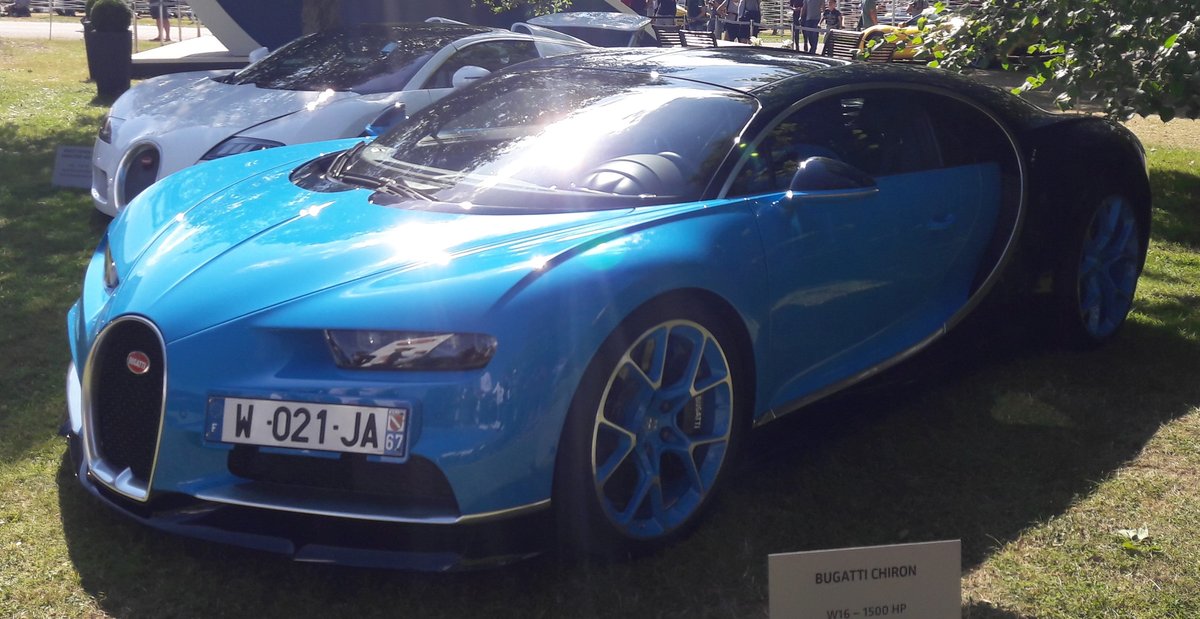
The Bugatti Chiron: 1,479 Horsepower and the End of the W16 Era
The Bugatti Chiron makes 1,479 horsepower from an 8.0-litre W16 engine with four turbochargers and 2,000 Newton-metres of torque. It weighs 1,995 kilograms — almost exactly two tonnes. It will do 0-60mph in 2.4 seconds and is electronically governed to 261mph because the tyres cannot safely contain what the engine can produce above that number. The Super Sport variant, de-restricted for one specific run in 2019, reached 304.773mph on a closed straight in Ehra-Lessien. The driver was factory test driver Andy Wallace. The run counts. The number is real.
This is what the end of an era looks like.
The Engineering Case for the W16
The W16 did not exist because engineers wanted it to. It exists because Volkswagen Group’s engineers, working on the original Veyron project in the late 1990s, calculated what they needed and worked backward from there.
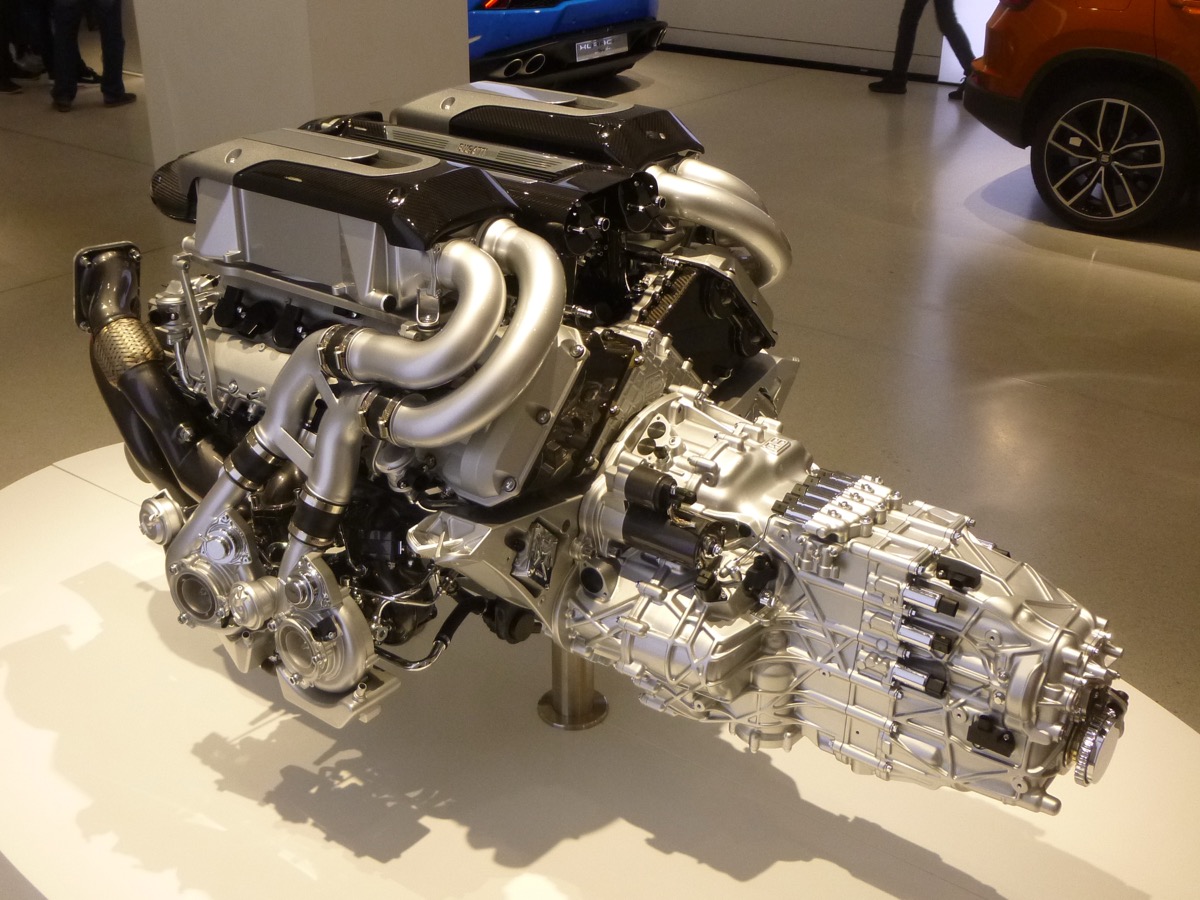
A W16 is two narrow-angle V8s joined at the crankshaft. Each bank of four cylinders sits at a 15-degree angle from its neighbour, making a compact block that fits in the Chiron’s mid-rear position. The engine is 710mm wide, 720mm long, and 597mm tall. It displaces 7,993cc. It runs four turbochargers — two at low RPM, all four above 3,800 revs — in a sequential configuration that eliminates the lag a traditional twin-turbo system would produce at lower engine speeds.
The cooling system requires three radiators at the front, two at the sides, one for engine oil, one for gearbox oil, one for the differential. Ten radiators total. The fuel system pumps 60,000 litres of fuel per hour at maximum load — the equivalent of draining a small swimming pool in 90 minutes.
There was no existing architecture that could do what the Veyron required. So Volkswagen built a new one.
What 2,000Nm Feels Like
No road car had produced 2,000Nm of torque before the Chiron. The closest in production form was the Veyron Super Sport at 1,500Nm. The Chiron exceeded that by a third.
Torque at this level does not feel like acceleration. It feels like physics making an executive decision. At 50mph in second gear, a partial throttle application produces a sensation that reorders your understanding of what engines are. The car does not surge. It translates.
The 0-60 figure is 2.4 seconds. The 0-124mph (0-200 km/h) is 6.1 seconds. The 0-186mph (0-300 km/h) is under 14 seconds. A Porsche 992 Turbo S does 0-60 in 2.6 seconds and calls itself fast. The Chiron does 0-186mph in the time a Turbo S needs to reach 60 a third time.
The seven-speed dual-clutch gearbox swaps ratios in under 100 milliseconds. The all-wheel drive system puts power down with zero drama. The car’s chassis is so composed at speed that test drivers have described feeling underdressed for the experience — the car is calmer than the number suggests it has any right to be.
The 304mph Run
On August 2, 2019, Bugatti and Michelin took a pre-production Chiron Super Sport 300+ to Volkswagen’s Ehra-Lessien test track and ran it to 304.773mph. The car was modified for aerodynamic efficiency — longer tail section, altered underbody, recalibrated engine mapping. It was not a standard customer car. It was close to one.
Guinness World Records did not certify the run because it was done in one direction only, not the required two-way average to eliminate wind assistance. Koenigsegg’s 277.87mph two-way average remains the official record. Bugatti did not pursue certification. They didn’t need to.
The actual speed is documented. 304 miles per hour on a public-specification road car derivative with road tyres.
Michelin developed specific tyres for the run that could withstand 5,100G of centrifugal force at the contact patch. Each wheel rotated at 4,100 revolutions per minute. A standard production tyre fails catastrophically above 220mph. Michelin built new ones.
The W16’s last great act was crossing 300mph. Nothing with an internal combustion engine built primarily for road use has done it since.
The Mistral: The W16’s Final Chapter
In 2022, Bugatti announced the Mistral — a W16-powered roadster, open top, 1,600hp. It is the last car Bugatti will ever build with the W16 engine. Production is limited to 99 units at $5 million each. All 99 were sold before the car was publicly revealed.
The Mistral is not the fastest Bugatti. The Bolide, the track-only variant, produces 1,825hp and weighs just 1,450kg. But the Mistral is the one that matters for what it represents: the W16 going out in convertible form, wind over that engine cover at 261mph, the last of something genuinely unrepeatable.
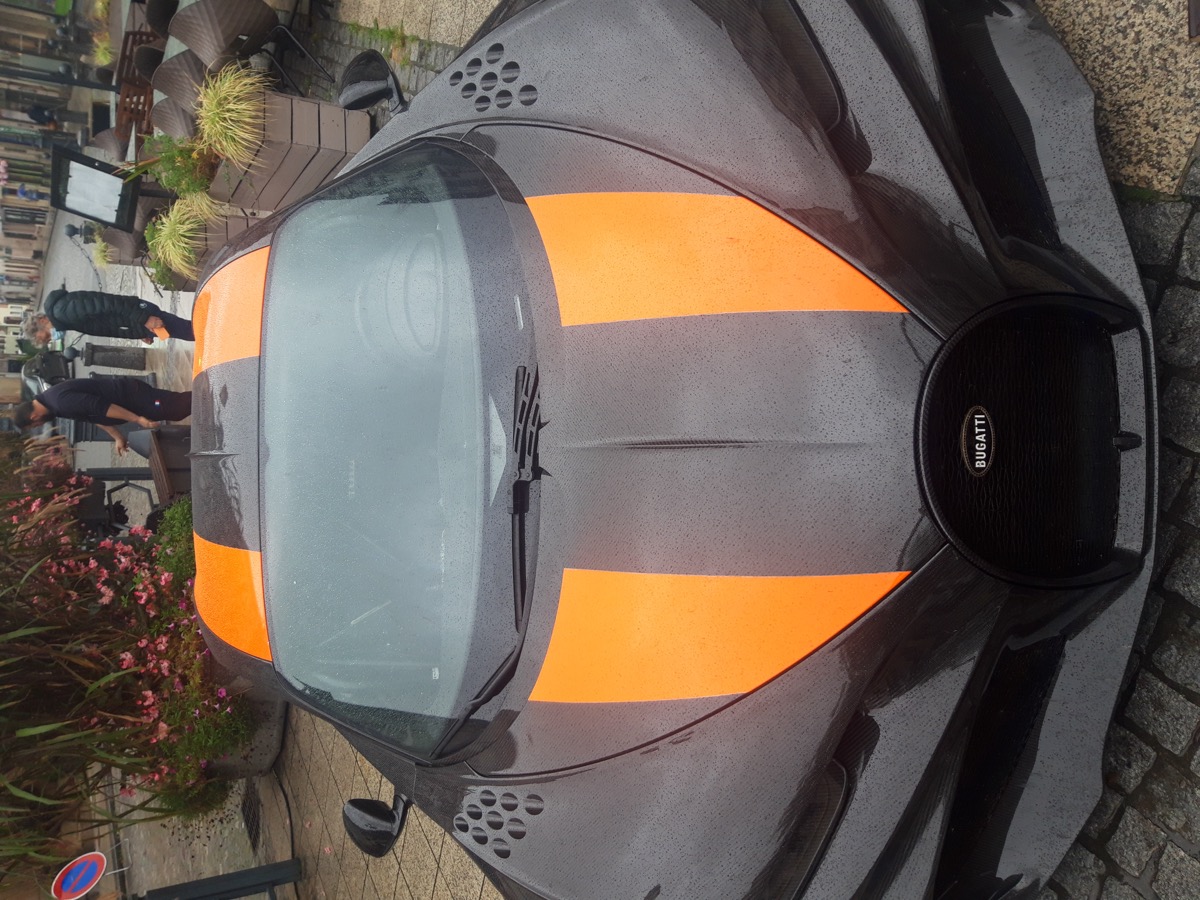
Bugatti’s successor car — developed with Rimac — will be hybrid. The architecture will be different. The numbers will likely be higher. But the W16 will not be part of it.
Bugatti has confirmed it. The engine is done.
Why the Chiron Is Not a Car You Love
The Veyron was a statement. The Chiron is a proof. There is a distinction.
You can love a Ferrari Enzo. You can have a relationship with a McLaren F1. These cars have personality — they push back, they require something from you, they communicate through imperfection.
The Chiron does not do this. It is too composed. Too broad in its competence. At 150mph it is as settled as a Porsche 911 at 60. It asks nothing of the driver because the engineering has pre-answered every question. There is no feedback loop. There is only result.
This is not a criticism. It is a characterisation.
The Chiron is what happens when an engineering organisation treats a road car with the same rigour applied to aerospace hardware. The target was not to make an exciting car. The target was to make an irrefutable one. Gordon Murray would call this approach categorically wrong — his 50-year argument is that weight is the enemy of every other engineering goal, and a two-tonne road car compensates for that mass with technology layered upon technology. The Chiron is the proof Murray would point to. Bugatti would call it the proof Murray was asking the wrong question.
The W16 produced 1,479hp. It weighed two tonnes. It ran to 304mph. It made 2,000Nm of torque from a standing start without drama. It cost €3 million, and every one of the 500 built was purchased before delivery.
You don’t love it. You acknowledge it.
That’s exactly what Bugatti intended.
Share this
Keep Reading
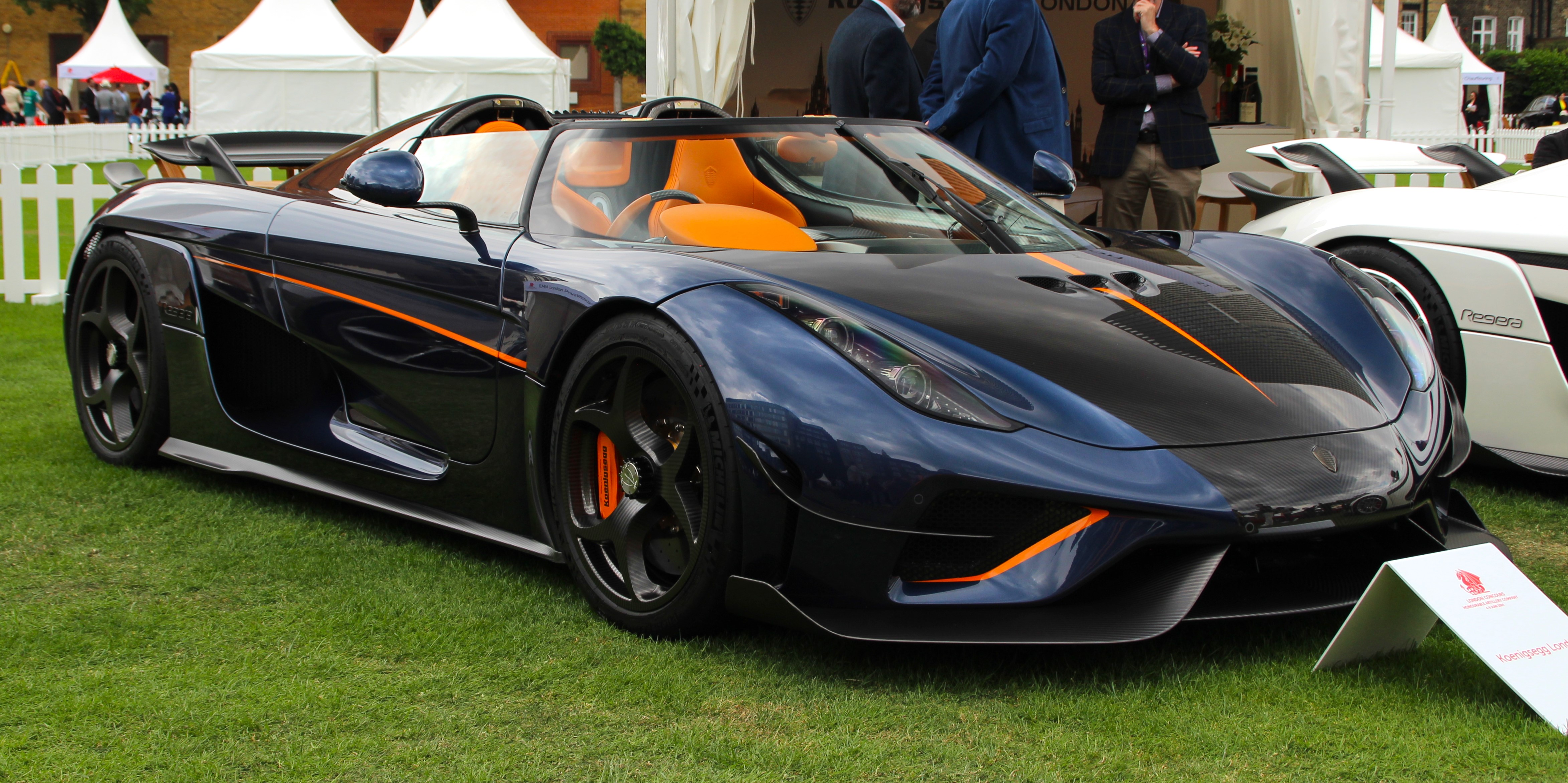
The Koenigsegg Regera: Why This Is Still the Most Insane Car Ever Built
April 5, 2026
Koenigsegg Ghost: The Package, the Mode, and the Fighter Squadron Behind the Emblem
April 7, 2026
The McLaren F1: The Last Car Gordon Murray Will Ever Need to Apologise For
April 5, 2026
Join the conversation
COMMENTS
Loading comments…
No comments yet. Be the first to weigh in.
Leave a comment
Posted
Thanks for joining the conversation.