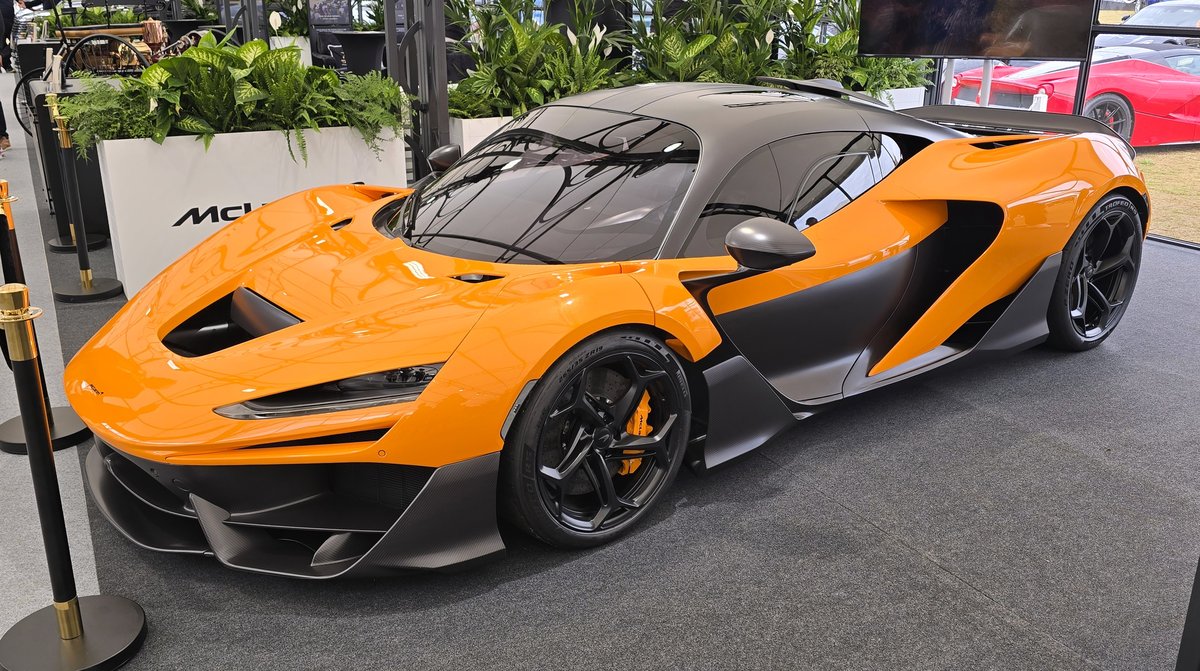
The McLaren W1: The Heir to the F1's Throne, 30 Years Later
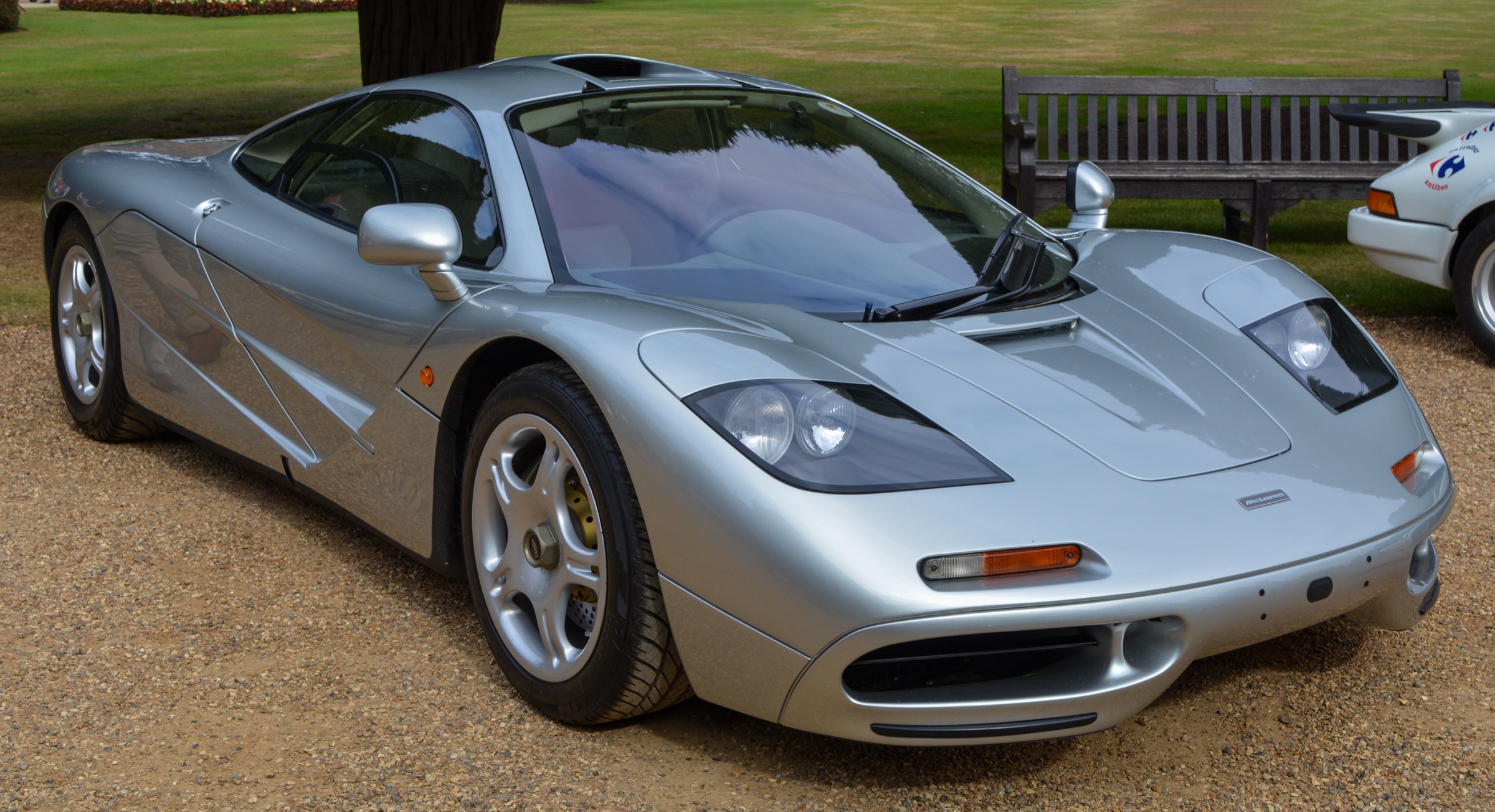
The McLaren F1 was built on a specific philosophy: the driver is everything, and everything else is weight. Gordon Murray gave it three seats, a central driving position, a naturally aspirated BMW V12, and 1,138 kilograms — lighter than most sports cars of its era. He gave it no traction control, no driver aids, nothing between the driver’s inputs and the consequences of those inputs. The F1 was 627hp and demanded your full attention in return for the most connected driving experience a production car had ever offered.
The W1 makes 1,275 horsepower. It weighs 1,399 kilograms. It generates 1,000 kilograms of aerodynamic downforce. It costs £2.08 million and McLaren will make 399 of them.
The question is not whether it’s faster. It is. The question is whether it’s the same argument.
What the W1 Is
The W1’s powertrain is a 4.0-litre twin-turbocharged V8 with a hybrid electric motor system McLaren calls MHU-W — motor/hybrid unit on the wheels. Total output: 1,275hp and 1,340Nm of torque. The combustion engine alone produces 928hp at 9,200rpm — an engine-speed ceiling that indicates the degree to which McLaren has pushed this V8 beyond its natural limits.
The chassis is a carbon fibre monocoque. The body panels are carbon. The structure weighs 90kg. Without fluids and driver, the W1 is 1,399kg — which is 261 kilograms heavier than the F1.
The active aerodynamics system generates 1,000kg of downforce at 150mph — comparable to a Formula 1 car of a decade ago. The front splitter adjusts in real time. The rear wing deploys a drag-reduction system on straights. The whole system operates automatically based on speed, steering angle, and lateral load, adjusting every few milliseconds. There is no manual override for most configurations.
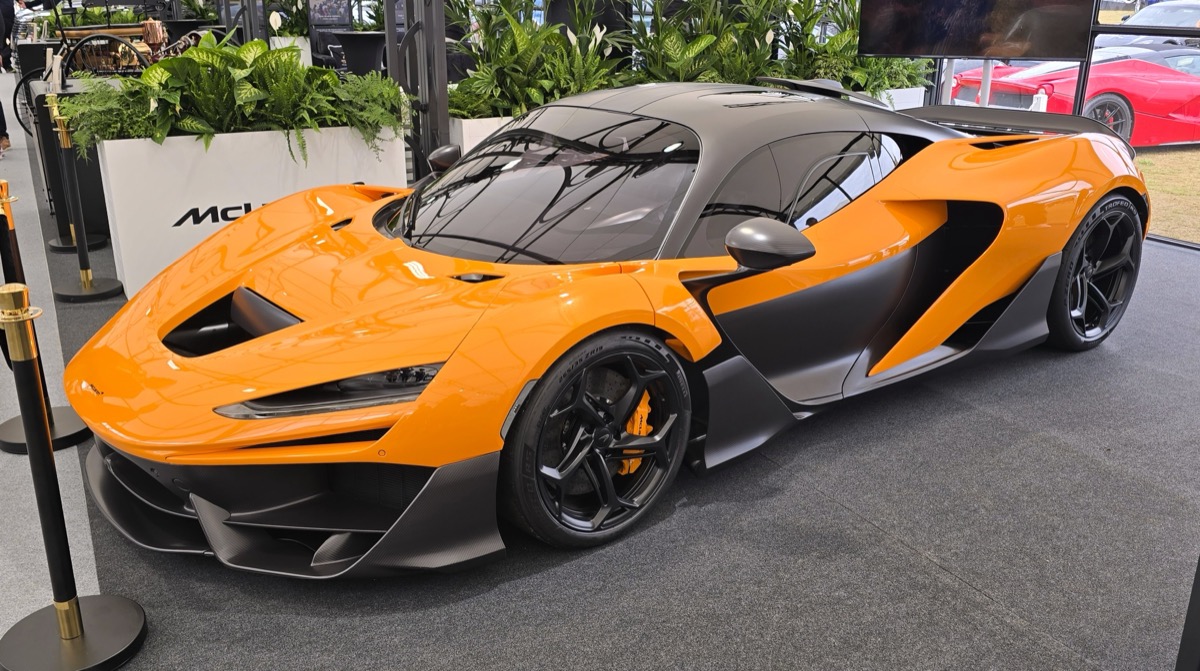
Top speed is projected at 217mph. The F1 hit 231mph. The W1 sacrifices top speed for cornering capability — a trade the F1 never made because Gordon Murray never considered downforce the point.
The F1 Comparison, Honestly
The F1 was 627hp and 1,138kg. Power-to-weight: 550hp per tonne.
The W1 is 1,275hp and 1,399kg. Power-to-weight: 911hp per tonne.
On paper, the W1 wins the comparison easily. On a racetrack, it wins it even more easily. But the F1’s argument was never about lap times. Its argument was about connection — that between machine and driver, nothing should be mediated.
The W1 has traction control. It has stability management. It has a hybrid system that fills torque holes automatically. It has active aerodynamics that configure themselves without driver input. It has a seven-speed dual-clutch gearbox with automatic rev-matching. The driver’s job has been substantially pre-managed.
McLaren’s engineers will correctly point out that at 1,275hp on 1,399kg, any reduction in driver aids would make the W1 undriveable by any human being outside a Formula 1 programme. This is probably true. The physics don’t care about philosophy.
But the F1’s philosophy was specifically that the car should require everything from you. The W1, by necessity, does not ask the same thing.
What McLaren Is Actually Arguing
The W1’s name is a statement about position, not direct lineage. McLaren’s internal designation system places it at the top of the range — above the Artura, above the 720S, above the Senna. It is the first car, the primary car, the one that defines what McLaren’s engineering is capable of right now.
The connection to the F1 is cultural rather than mechanical. McLaren is saying: this is the most capable road car we know how to build in 2024. We built the most capable road car of 1992. That continuity is real, even if the approach has evolved.
Where the W1 most genuinely echoes the F1 is in intent. Both cars exist without commercial pressure to be palatable. The F1 had a central driving position that made it impractical for any normal use. The W1 has active aerodynamics that generate so much downforce that a human driver would be physically incapacitated if those systems failed at speed. Both cars are at the edge of what makes sense. Both cars exist because McLaren engineers insisted on building past the edge.
The W1 is also likely to become the most sought-after McLaren since the F1. All 399 were sold at signing, before the car had turned a wheel in public. Used examples will trade at a premium the moment the first transfer of ownership happens.
The Hybrid Question
The W1’s hybrid system is not optional and not bypassed. It is integral to the performance figure. Without the electric motor’s 342hp contribution, the W1 makes 928hp — which is still extraordinary but which places it in a different class.
McLaren made the hybrid decision for a specific reason: the combustion engine produces 928hp at 9,200rpm. Below 5,000rpm, the torque delivery has a gap. The electric motor fills that gap, which is why the W1 feels instantaneous from any speed. The hybrid is not a compliance gesture. It is the solution to a problem the engine alone creates.
The F1 had no gaps. A naturally aspirated V12 at 7,500rpm delivers a linear, mechanical power curve with no hybrid interpolation. The sensation is different from anything a turbocharged, electrified system can produce. Whether that difference matters depends on what you think a car is for.
For pure lap times: the W1 wins. For pure connection: the F1’s architecture wins. For what the owner actually experiences on a road: the W1 wins, because 1,275hp with intelligently managed traction is faster and more controllable than 627hp with none.
The Heir Question, Answered Honestly
The W1 is not the F1. It is the best car McLaren can build in 2024 using 2024 technology, 2024 safety standards, and 2024 expectations about what a road car should be able to do. That is not a failure. That is the point.
The F1 could not exist today. Its lack of driver aids would make it uninsurable in most markets and genuinely dangerous to anyone without serious professional training. The safety regulations that govern new road cars would require changes that would fundamentally alter what it is.
The W1 is what the F1’s legacy becomes when the world it was built for no longer exists.
That’s a different thing. It’s also a worthy thing. At £2.08 million for 399 cars, all sold before the public saw one, the market agrees.
The heir to the F1’s throne was always going to be a harder car to love. The F1’s genius was that it was simple enough to feel human. The W1 is too complex for that.
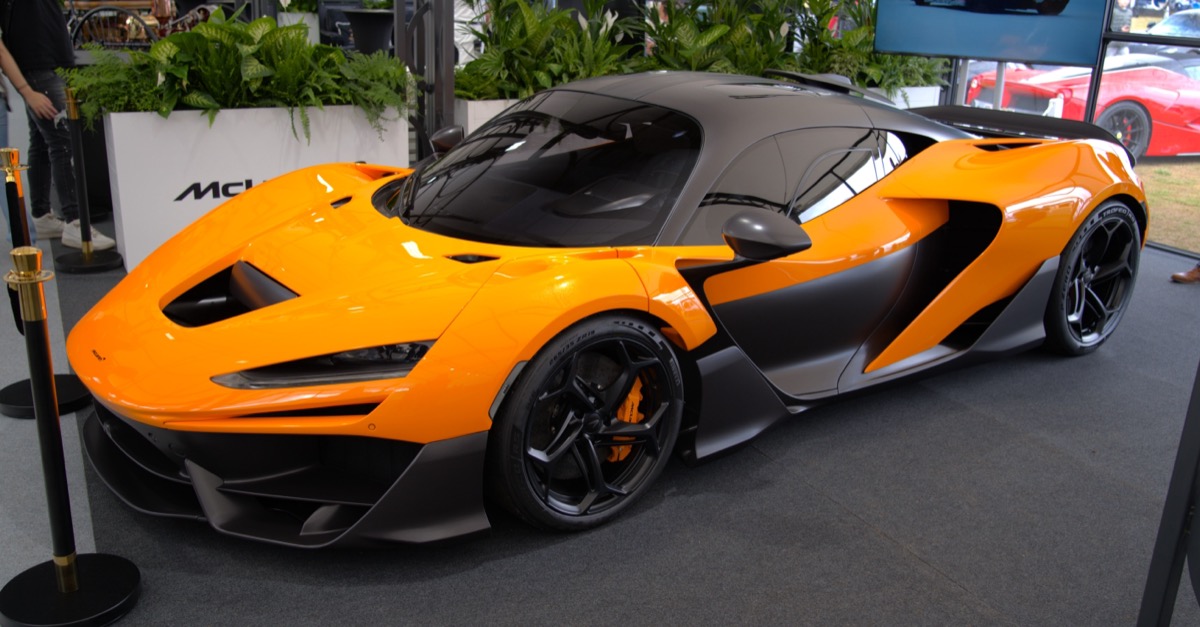
What the W1 is, honestly, is the best possible response to the question: what would McLaren build if they had to build the most capable road car on earth right now? The answer is 1,275hp, 1,399kg, 1,000kg of downforce, and 399 owners who will never push it past 50% of what it can do.
That’s not failure. That’s 2024.
Share this

Join the conversation
COMMENTS
Loading comments…
No comments yet. Be the first to weigh in.
Leave a comment
Posted
Thanks for joining the conversation.