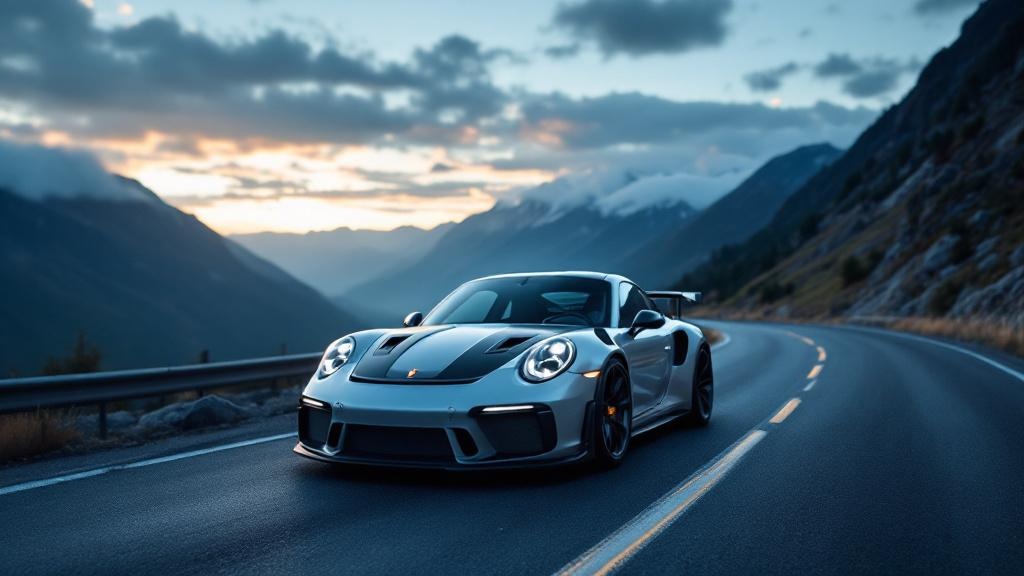
Best Supercars Under $200K: What Your Money Actually Gets You
$200,000 is the threshold where the supercar market opens seriously. Below it, you’re mostly in fast sports car territory — capable and exciting, but not genuinely exotic. At $200K and under on the used market, you can access machines with 500–700+ horsepower, sub-3-second 0–60 times, and the kind of driving experience that justifies every dollar.
This guide covers the best options in the current market, what each car is actually like to own (not just the spec sheet), and the honest trade-offs that manufacturer marketing doesn’t foreground.
Pricing here is anchored to classic.com market benchmarks and recent Bring a Trailer auction results as of May 2026, cross-checked against dealer listings. Used exotic values move — treat these as current snapshots, not fixed numbers.
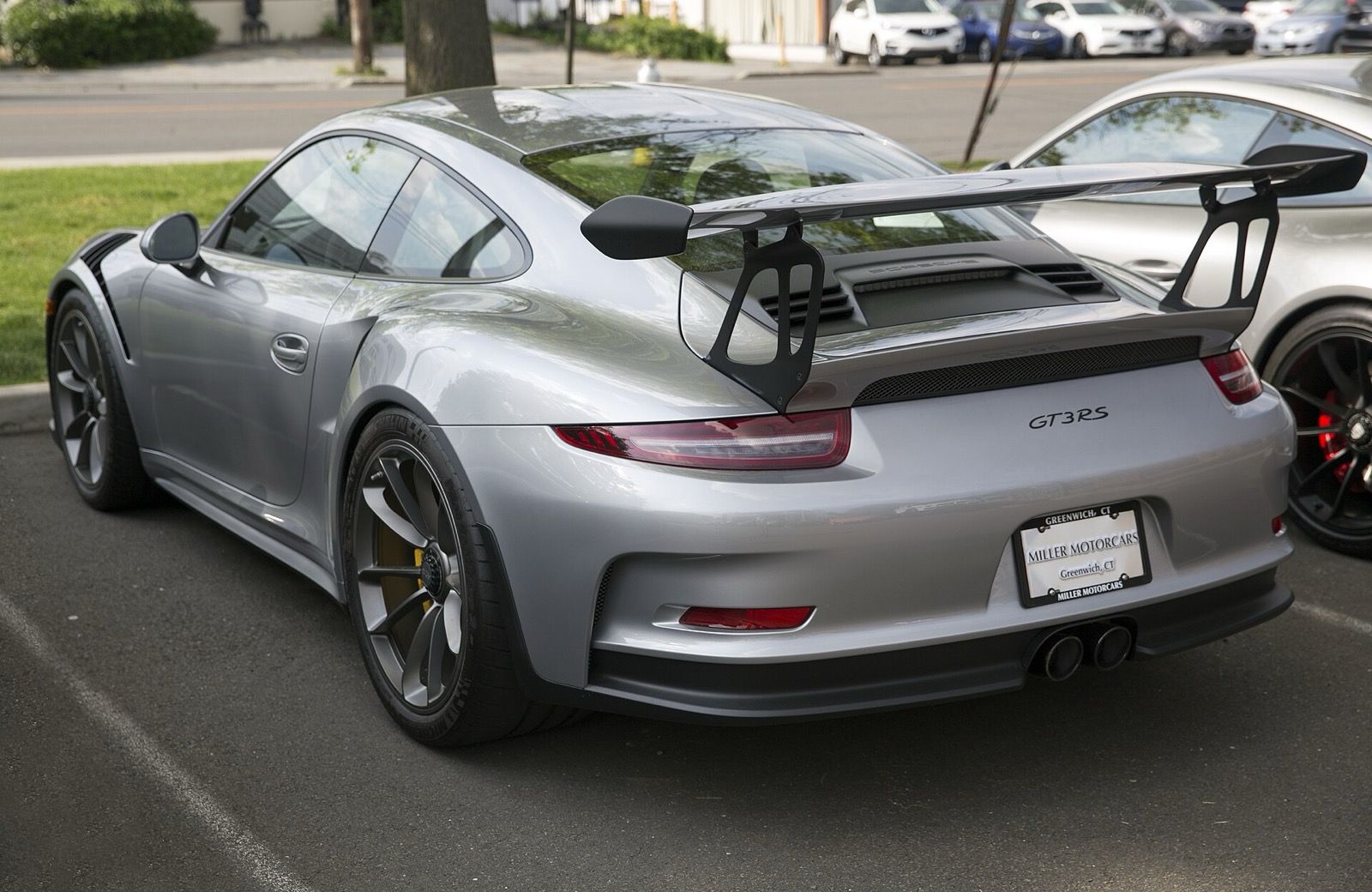
Porsche 911 GT3 / GT3 RS — The Standard
The 911 GT3 is the reference point for this segment. A 4.0L naturally aspirated flat-six (502 hp, 518 in RS) revving to 9,000 RPM, a six-speed manual or PDK, and decades of development. Used 992 GT3s (2021+) are $170,000–220,000. GT3 Touring variants (no wing) command similar prices.
What you’re actually getting: The most usable, reliable, and resale-stable supercar in this range. Porsche’s dealer network is comprehensive. Depreciation on GT3 models is historically very low — they often appreciate. If you want one car to track, tour, and daily-drive without logistics anxiety, this is the answer.
The honest trade-off: The practical choice is also the least exotic choice. Nobody stops to photograph a GT3 in a parking lot the way they photograph what comes next on this list.
Running costs: Service ~$2,000–4,000/year (Porsche IMS/bore scoring issues don’t apply to 992). Insurance: $3,000–6,000/year agreed value through Hagerty. Tires: $1,200–2,000/set (Michelin Pilot Sport Cup 2 for RS, Sport 4S for standard).
The gamer’s note: If you’ve driven the GT3 in Gran Turismo 7’s Sport Mode or Forza Motorsport’s competitive multiplayer, you already know this car’s personality — balanced, precise, and rewarding of clean technique over raw aggression. The real car is exactly that, amplified.
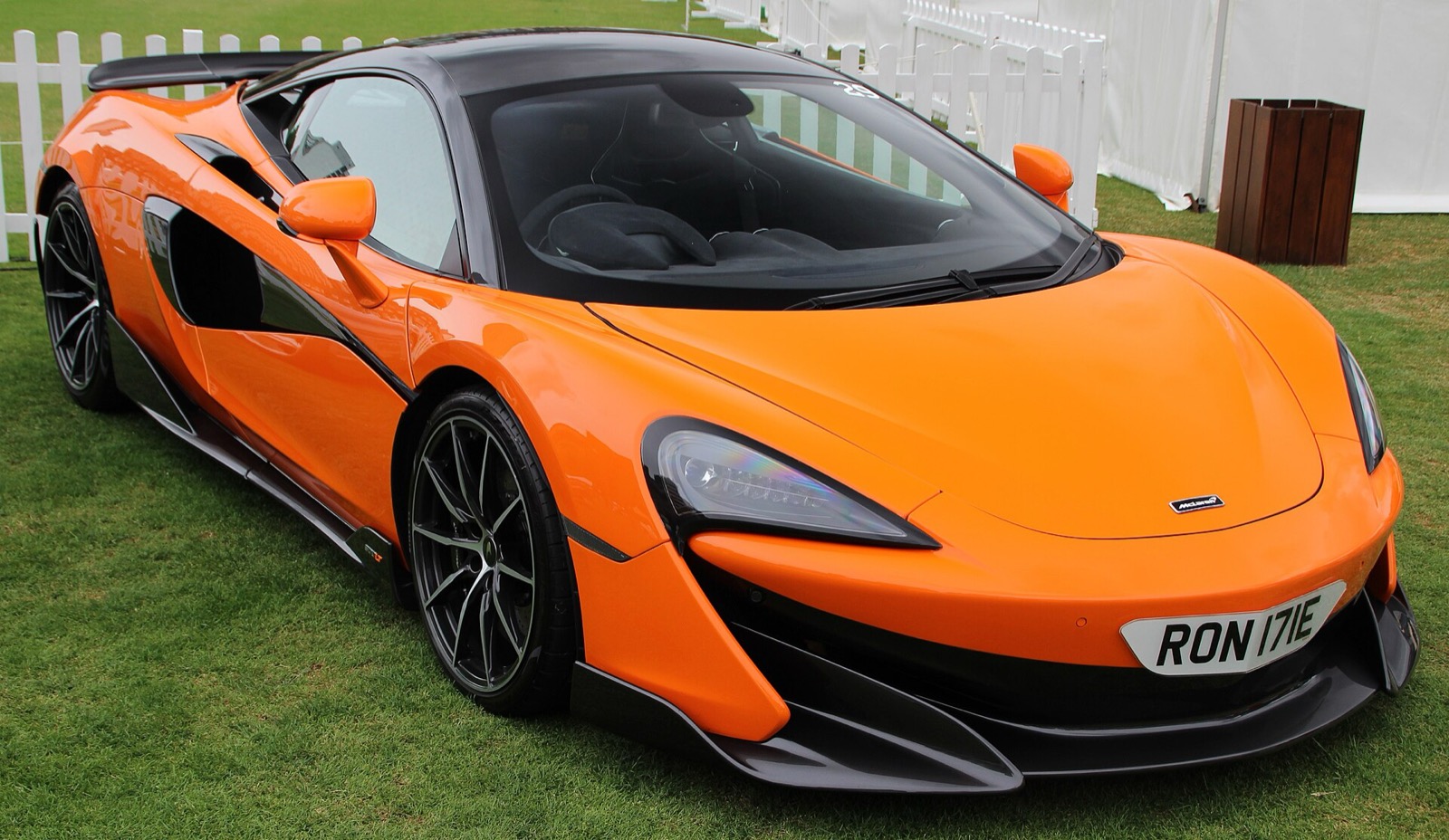
McLaren 570S / 600LT — The Engineer’s Pick
McLaren’s “Sports Series” delivered mid-engined performance and genuine McLaren DNA at a sub-Ferrari price — and depreciation has quietly made them the bargain of this list. The 570S (562 hp) now carries a classic.com market benchmark around $114,000 (May 2026) — well below where it sat a few years ago — with the open-top Spider near $130,000 and the track-focused 600LT around $187,000. They remain among the most technically sophisticated cars at this price.
What you’re actually getting: A mid-engined exotic with McLaren’s carbon fiber monocoque, outstanding aero, and handling sharper than cars twice the price. The 600LT is one of the best track-day cars available without buying something purpose-built.
The honest trade-off: McLaren reliability has been inconsistent on early Sports Series cars. Extended warranty or McLaren Certified coverage is strongly recommended. Service costs are real — find an independent McLaren specialist for out-of-warranty work.
Running costs: Service ~$3,000–6,000/year (independent specialist rates; dealer rates 30–50% higher). Insurance: $4,000–8,000/year. Budget $2,000–5,000/year contingency for electrical/hydraulic issues on pre-2019 cars.
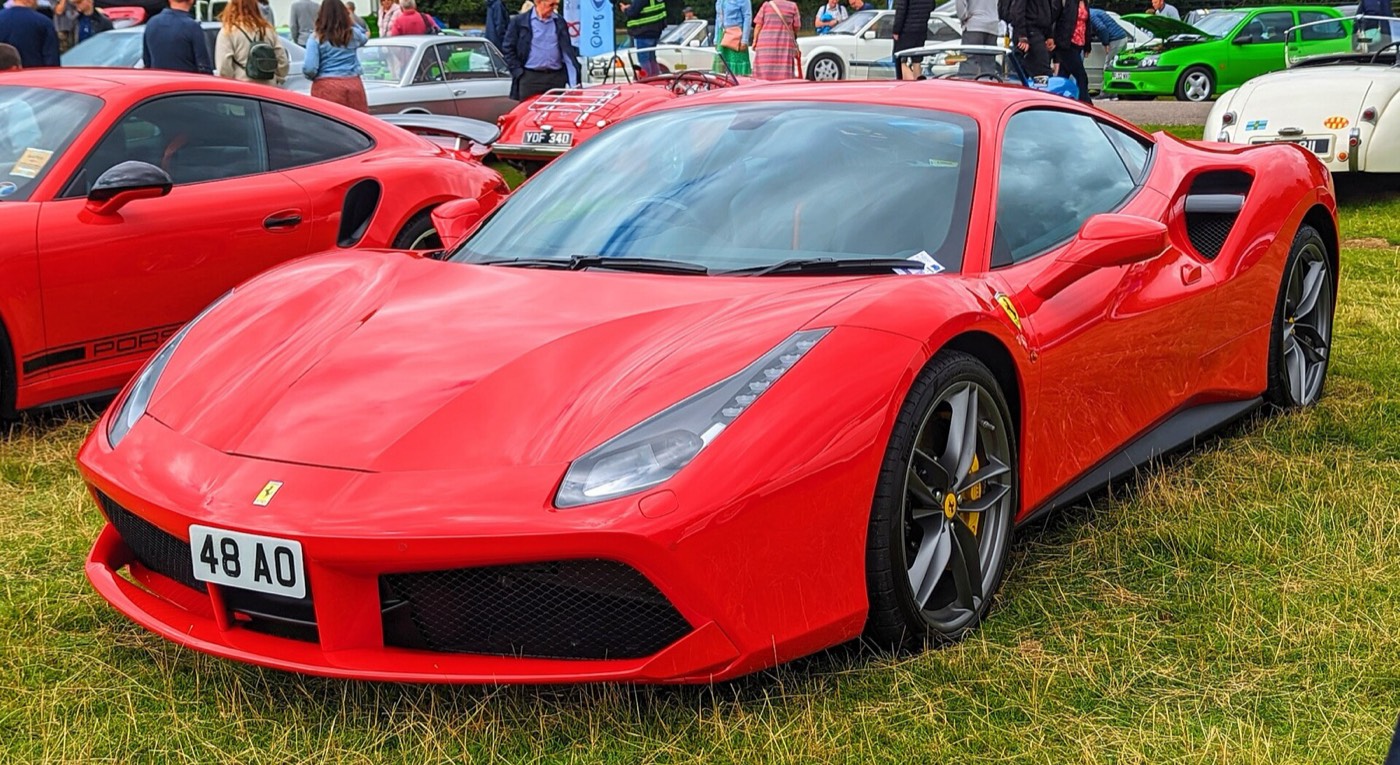
Ferrari 488 GTB / Spider — The Name, the Sound, the Legacy
The 488 represents Ferrari’s twin-turbo V8 at its most polished. 660 hp, 0–60 in 2.9 seconds, a 3.9L V8 that produces power with enough linearity to feel almost naturally aspirated. Used 488 GTBs now benchmark around $227,500 on classic.com (May 2026), with most clean listings landing $240,000–$300,000; Spiders command $10,000–20,000 premiums. Note that the strongest examples push past the $200K threshold — the 488 is the car on this list most likely to require stretching the budget.
What you’re actually getting: Ferrari. The badge, the history, the community, the experience of ownership within the most developed enthusiast ecosystem in the car world. Ferrari Club of America runs events nationwide. The resale market is deep and liquid.
The honest trade-off: Ferrari service costs are among the highest in the segment. Annual service regardless of mileage. Find full service records for any 488 you consider — they tell you everything about how the previous owner treated the car.
Running costs: Annual service runs $2,500–4,000 at a Ferrari dealer — though independent specialists publish annual service from ~$800 and a major from ~$3,500, so an out-of-warranty 488 on a good indie costs far less to keep than the dealer figures suggest. Major service (every 5 years) at a dealer: $5,000–15,000. Insurance: $5,000–10,000/year. Ferrari Classiche certification: $3,000–5,000 (optional but valuable for resale).
Insurance tip: Ferrari’s high theft rates in some markets push standard insurance quotes significantly higher than comparable cars. Specialist insurers (Hagerty, Chubb) who understand agreed-value exotic coverage will typically beat standard insurer quotes by 30–50%.
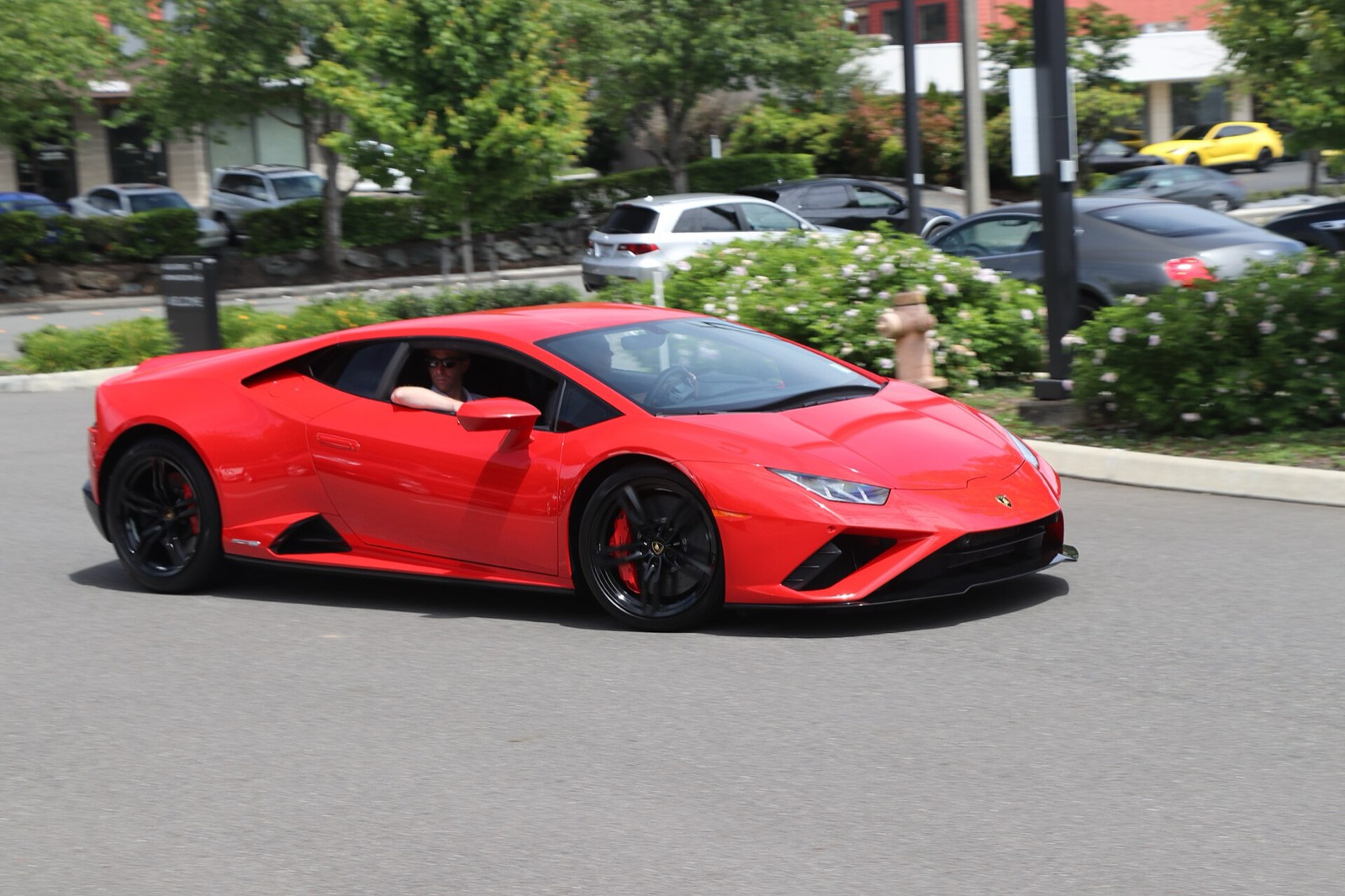
Lamborghini Huracán EVO — The Spectacle
If the GT3 is practical and the 488 is prestige, the Huracán is theatrical. The 5.2L naturally aspirated V10 (630 hp) produces one of the last great NA supercar soundtracks. AWD, rear-wheel steering, LDVI chassis management. Used EVOs: $180,000–220,000.
What you’re actually getting: The car that gets the most reactions, the most attention, and the most photographs from strangers. The Huracán’s angular design makes an impression that spec sheets don’t capture. The V10 sound is genuinely irreplaceable — once it’s gone (the Temerario replaces it with a twin-turbo V8), it’s gone.
The honest trade-off: Driver engagement is lower than the GT3 or 570S at similar skill levels. AWD and extensive electronics mean stability over involvement, particularly at road speeds. If driving satisfaction is your primary metric, the GT3 and 570S are objectively better cars to drive. The Huracán compensates with spectacle those cars cannot match.
Running costs: Independent specialists report annual service around $850–$1,500, with a major service every five years running $3,500–$6,000 and a set of Pirelli P Zero Trofeo R tires $3,000–$5,000. Insurance: $5,000–12,000/year (V10 + Lamborghini brand = higher premiums).
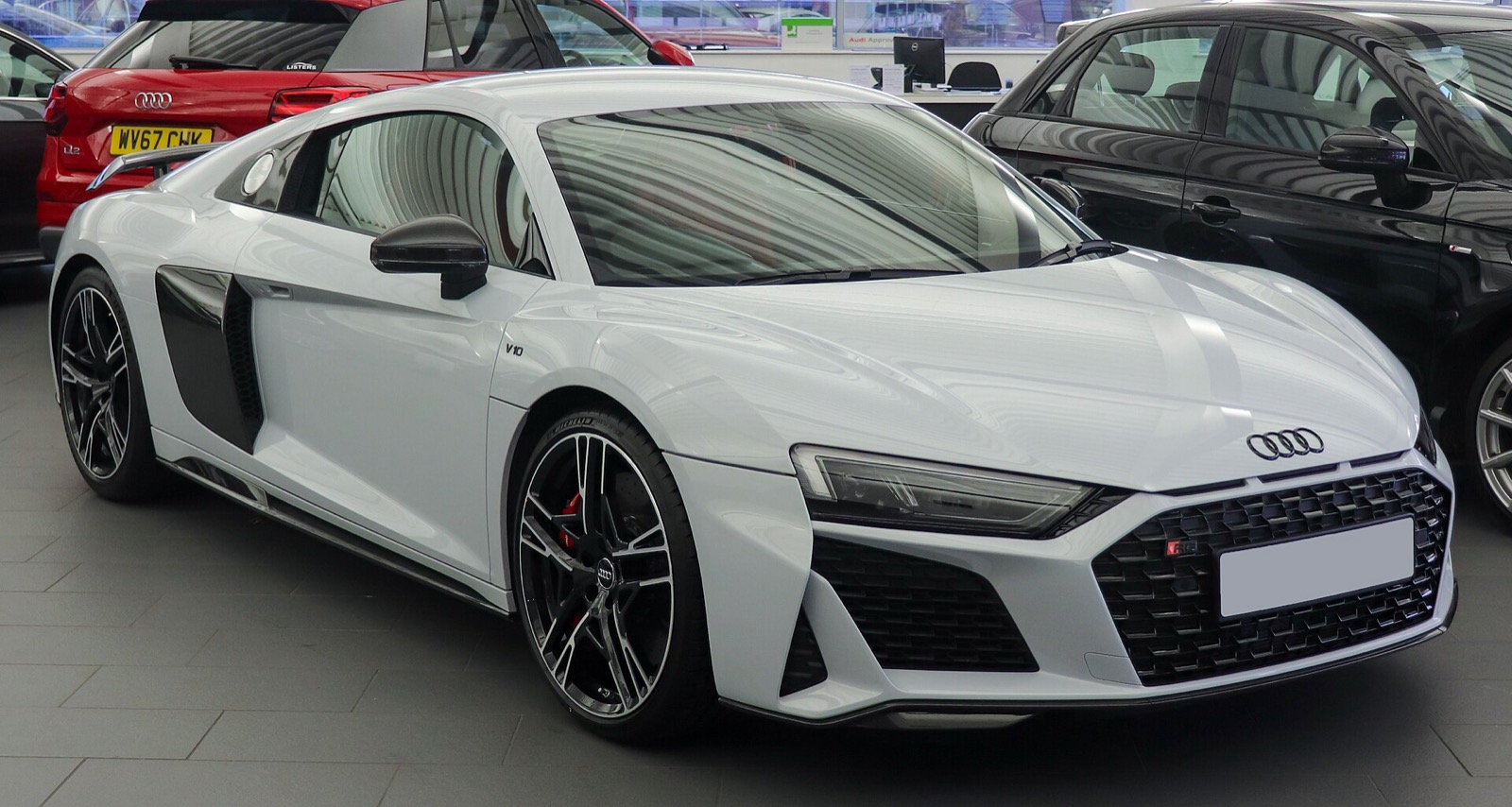
Audi R8 V10 Plus — The Sleeper
The R8 uses the same 5.2L V10 as the Huracán in a substantially more understated, better-daily-use package. V10 Plus (602 hp, 2016–2019): $120,000–160,000. V10 Performance (620 hp, 2019–2023): recent Bring a Trailer sales have run $171,500–$203,000 (May 2026) — the end of the naturally aspirated V10 is pulling the best examples upward. The best value proposition in this segment.
What you’re actually getting: An objectively excellent mid-engined V10 with Audi’s interior quality (significantly better than comparable Ferrari/Lamborghini), VW Group dealer network access, and the best reliability record in this segment.
The honest trade-off: Understated in ways exotic car buyers often don’t want. It reads as “an Audi” to people who don’t know cars. The performance-per-dollar ratio is exceptional; the emotional/status premium is compromised by the badge.
Running costs: Service: $1,500–3,500/year (Audi dealer rates, significantly lower than Italian alternatives). Insurance: $3,000–6,000/year. Tires: $1,200–1,800/set. The lowest total cost of ownership in this segment by a meaningful margin.
Daily-driver care kit: the R8 sees more miles than anything else on this list, which means it sees more swirl marks. A Chemical Guys arsenal builder kit and a stack of Griot’s Garage microfiber towels cover everything you should be doing between dealer details.
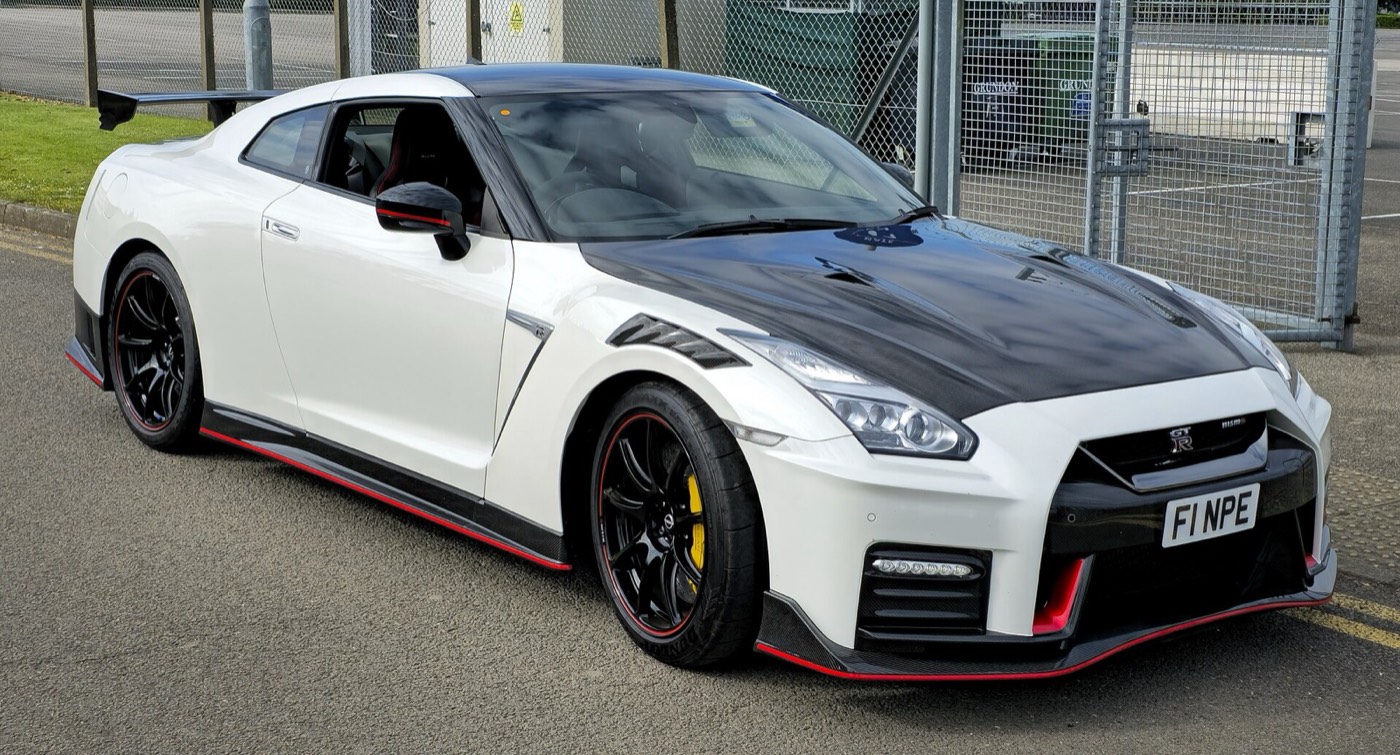
Nissan GT-R R35 / Nismo — The JDM Answer
The R35 has been this segment’s benchmark for 15 years, and the final-generation cars are the most refined examples of it. 3.8L twin-turbo V6 (VR38DETT — 565 hp Premium, 600 hp Nismo), ATTESA E-TS all-wheel drive, and a dual-clutch GR6 gearbox tuned to launch harder than anything else on this list. Used 2017+ Premium: $90,000–130,000. Track Edition: $110,000–150,000. 2020+ Nismo: $175,000–220,000 — squarely in-band.
What you’re actually getting: The original sleeper supercar. The R35 Nismo ran 7:08.6 at the Nürburgring — faster than the C8 Z06 and competitive with cars costing twice as much. This is the car every other entry on this list has had to measure itself against since 2009. If you want supercar performance without supercar pricing, the GT-R invented the category.
The honest trade-off: Nissan dealer service quality is inconsistent by market — specialist shops (T1 Race Development, AMS Performance) are often the better path out of warranty. The R35 is heavier than its competition (~3,900 lbs dry) and the handling character is more engineered than natural — the AWD and electronic aids do extraordinary work, but drivers chasing raw feel (GT3, 600LT) will notice. The interior has aged the worst of anything on this list.
Running costs: Service: $2,000–4,000/year at a specialist (dealer rates 30–50% higher). Transmission service every ~35,000 miles: $1,500–3,000. Insurance: $3,500–6,000/year. Tires (Dunlop SP Sport Maxx on Nismo): $2,000–3,000/set.
The gamer’s note: If you grew up with Gran Turismo, the GT-R isn’t on your wish list because it’s “fast.” It’s on your wish list because Kazunori Yamauchi put a Skyline on the cover of Gran Turismo 1 and turned a generation of kids into GT-R believers. The R35 is the road-going answer to that obsession — the first GT-R sold officially in the US, and the one every modded Skyline you ever saw on a Forza livery has been chasing. Until the budget says yes, a Logitech G Pro Direct Drive wheel or a Fanatec ClubSport DD setup is the rig that actually maps to driving the real thing.
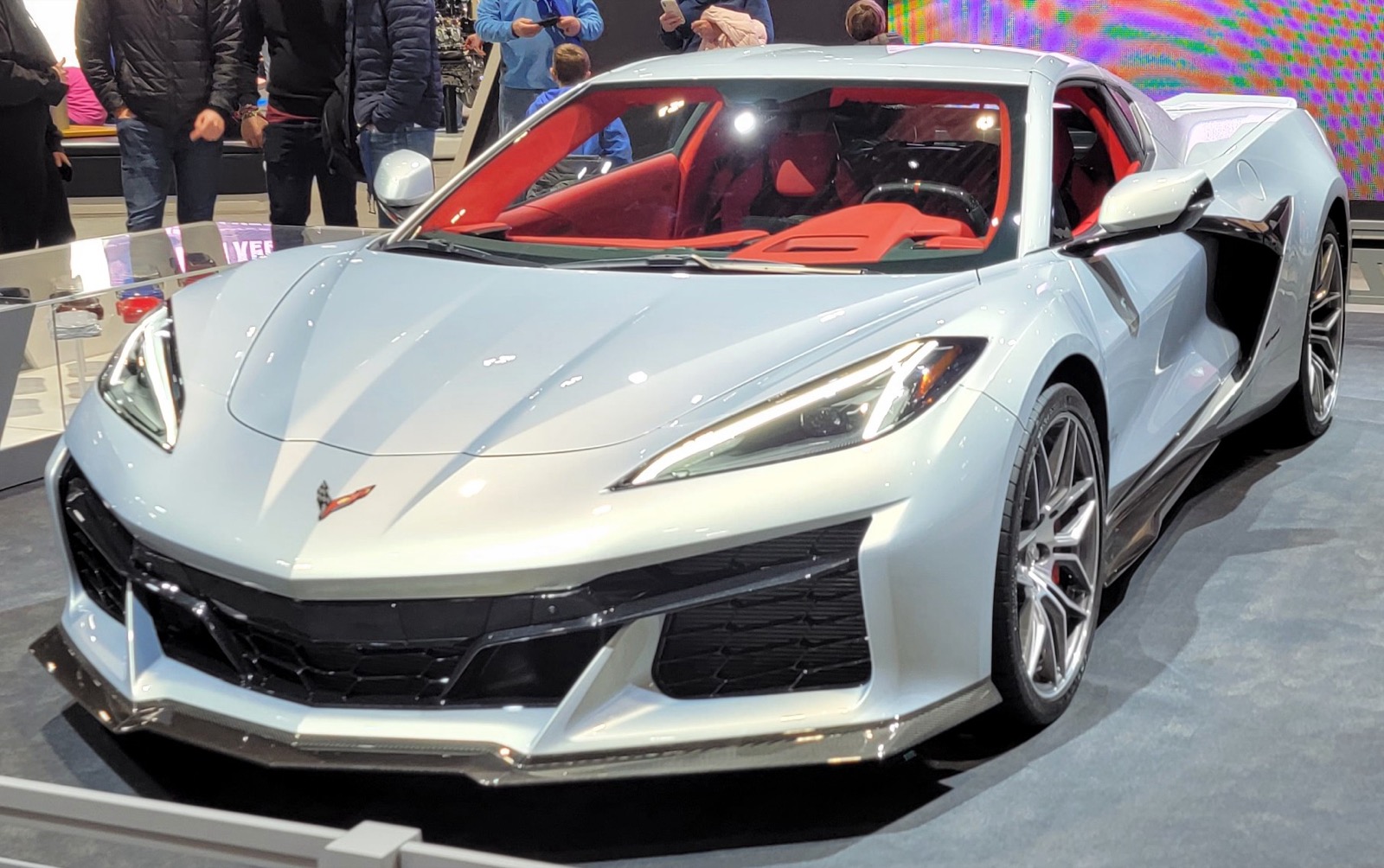
Chevrolet Corvette Z06 (C8) — The American Argument
Used examples benchmark around $138,400 on classic.com (May 2026), with asking prices spanning $110,000–$151,000. Flat-plane crank 5.5L NA V8, 670 hp, 8,600 RPM redline, mid-engine layout. Nürburgring 7:09.9 — faster than the previous GT2 RS. The C8 Z06 makes the argument American supercars have been trying to make for 30 years, and makes it convincingly.
What you’re actually getting: Exceptional performance per dollar, a soundtrack rivaling Italian V8s, and a service network covering every market. GM’s dealer network means parts and labor are accessible everywhere. Depreciation risk is lower than equivalent-performance Europeans — iSeeCars pegs the Corvette’s 5-year depreciation near 18.7%, among the lowest of any car on sale.
The honest trade-off: Interior quality, while much improved, still doesn’t match Ferrari or Lamborghini. The Corvette brand carries different cultural weight. For US buyers who prioritize track performance and dollar efficiency, the Z06 is arguably the best pure purchase. For buyers who prioritize the full exotic experience — community, history, European heritage — it’s a different calculation.
Running costs: Service: $500–1,500/year (GM dealer rates — dramatically lower than European alternatives). Insurance: $2,000–4,000/year. Tires: $1,000–1,600/set on Michelin PS4S, or about $2,700 for the track-spec Cup 2R set the Z07 package runs. By far the lowest cost of entry AND ownership in this segment.
The Decision Framework
| Priority | Best Choice |
|---|---|
| Best to drive, best long-term value, best to track | Porsche 911 GT3 |
| Most prestige, best community, strongest resale | Ferrari 488 |
| Most spectacle, best sound, most attention | Lamborghini Huracán EVO |
| Best engineering, most driver-focused | McLaren 570S / 720S |
| Best value, best reliability, best daily usability | Audi R8 V10 |
| Best performance per dollar, period | Chevrolet C8 Z06 |
| Best launch, best lap time for the money, original value king | Nissan GT-R Nismo |
No wrong answer in this segment if you’ve done the homework. Any of these cars, purchased well, will be extraordinary. The mistake is buying under-informed.
Build the bookshelf while you build the budget. Three that actually pay back the reread: The Complete Book of Porsche 911 for the GT3 case, Ferrari: Stories from Those Who Lived the Legend for the 488 case, and Lamborghini: 60 Years for the Huracán case. Spec sheets tell you what the car does; these tell you why anyone built it.
Before you buy: Read our complete How to Buy Your First Exotic Car guide — PPI inspections, insurance setup, and the full checklist. After you buy: the Ultimate Guide to Exotic Cars shows you where to go from here.
Share this


Join the conversation
COMMENTS
Loading comments…
No comments yet. Be the first to weigh in.
Leave a comment
Posted
Thanks for joining the conversation.