
The Ultimate Guide to Exotic Cars: History, Brands, and What Makes Them Special
The word “exotic” gets applied to a lot of cars that don’t deserve it. A tuned Mustang is not an exotic. A widebody Camaro is not an exotic. An exotic car is a machine where the design, engineering, performance, and production volume combine to put it in a category that most people will only ever see through glass — at a museum, at a concours, or behind the velvet rope of a dealership that requires an appointment to enter.
This guide covers the full landscape: what makes an exotic car exotic, the major manufacturers and what distinguishes each one, how the price tiers work, what ownership actually involves, and how to start developing the knowledge base that makes engaging with this world genuinely rewarding rather than just expensive.
Exotic vs. Supercar vs. Hypercar: What the Terms Actually Mean
The industry doesn’t use these terms consistently, but here’s a working framework:
Exotic car — the broad category. A car that is rare, high-performance, and commands attention disproportionate to its practicality. Ferraris, Lamborghinis, McLarens, Aston Martins. The term covers both production cars and limited-edition specials. Price range: roughly $100K–$500K for production exotics.
Supercar — a performance-focused exotic with 500+ horsepower and sub-4-second 0–60 capability as baseline expectations. This is where most Ferraris and Lamborghinis live. The Ferrari 488, Lamborghini Huracán, McLaren 720S — all supercars. The supercar segment is the core of the exotic market where manufacturers compete most directly on lap times, power figures, and driver experience.
Hypercar — above the supercar category in performance, rarity, and price. Typically 1,000+ horsepower, sub-2.5-second 0–60, production under 500 units, price above $1 million. Bugatti Chiron, Koenigsegg Jesko, Pagani Huayra, McLaren P1, LaFerrari — these are hypercars. The hypercar category is where physics is being negotiated rather than respected.
Mega/Ultra car — a term some manufacturers and press use for the absolute apex: cars like the Bugatti Bolide, Koenigsegg Jesko Absolut, or Rimac Nevera where the combination of performance and price is essentially uncapped. Not universally adopted but increasingly common as the ceiling keeps rising.
If you’ve spent time in racing games, you already have an intuitive sense of these tiers. Gran Turismo 7 and Forza Horizon both organize their car lists in ways that roughly mirror this hierarchy — the progression from sports cars to supercars to hypercars in those games maps almost perfectly to the real-world price and performance tiers.
The Major Manufacturers: Who Builds What and Why
Ferrari — The Benchmark
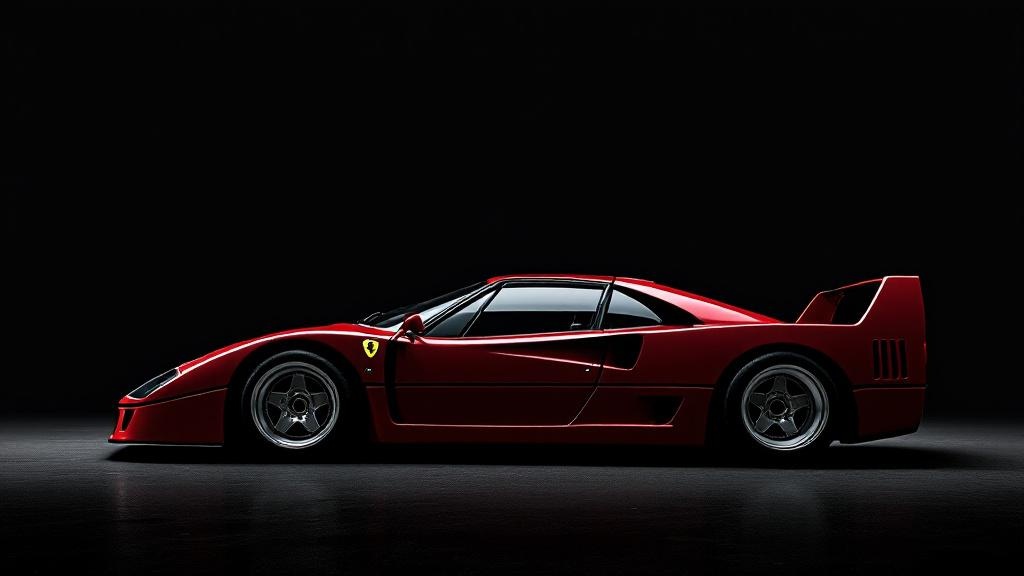
Ferrari is the reference point. Every other exotic manufacturer is defined partially by how they differentiate from Ferrari. The Maranello operation combines racing heritage (Formula 1 is inseparable from Ferrari’s identity), a controlled allocation model that creates waitlists and customer loyalty, and a consistent design language that makes any Ferrari immediately identifiable across 70+ years of production.
Current production exotics: the 296 GTB (hybrid V6, the new entry point), Roma (GT cruiser), SF90 Stradale (1,000 hp hybrid flagship), and the XX special series. Ferrari’s genius is making every new model feel like the next chapter of a story you’re already invested in. The Prancing Horse badge carries more cultural weight than any other automotive logo in the world.
For gamers, Ferrari has been the aspirational brand since the first Gran Turismo in 1997. The progression from saving credits to afford a used 355 to finally buying the Enzo was one of gaming’s defining economic experiences — and it mirrors the real-world Ferrari ownership ladder remarkably well.
Lamborghini — The Provocateur
Lamborghini exists because Ferruccio Lamborghini, a tractor manufacturer, told Enzo Ferrari that the Ferrari 250 GT’s clutch was defective and Enzo told him to stick to tractors. Ferruccio went home and built a car. This origin story — irrational, personal, defiant — defines everything Lamborghini has made since.
Where Ferrari is precise and measured, Lamborghini is excessive and theatrical. The Huracán and Urus are the volume products; the Revuelto (V12 hybrid successor to the Aventador) is the statement piece. Now owned by Audi/VW Group but retaining its personality with unusual stubbornness. A Lamborghini in a parking lot creates a different kind of attention than a Ferrari — louder, more aggressive, more confrontational.
The Countach poster on a teenager’s wall in the 1980s did for Lamborghini what no marketing campaign could have. That same energy lives in gaming: the Huracán is one of the most popular cars in Forza Horizon 5 specifically because it looks and sounds like what a 12-year-old thinks a supercar should be. That’s not an insult — it’s Lamborghini’s superpower.
McLaren — The Engineer’s Choice
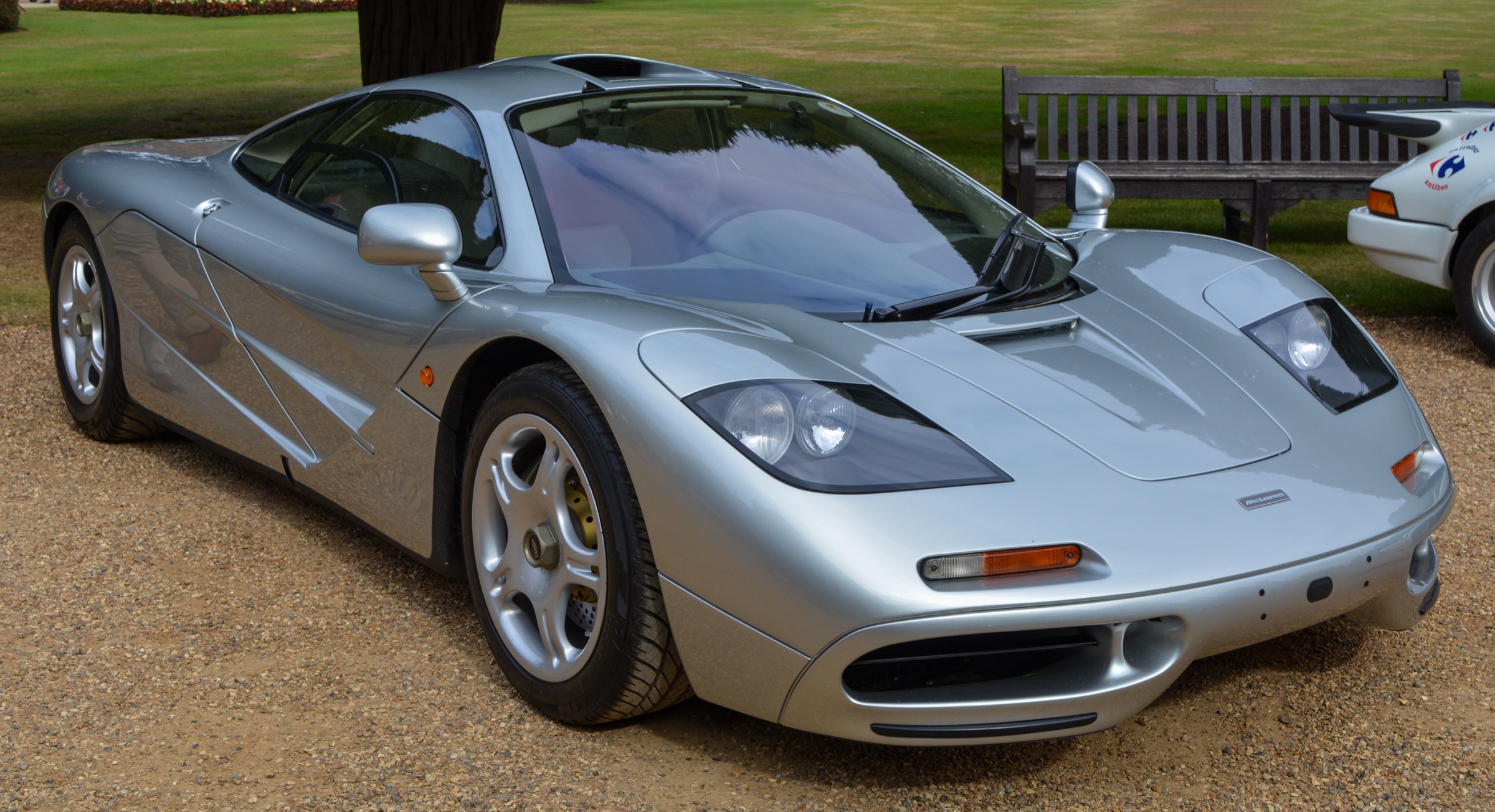
McLaren Automotive spun out of the Formula 1 team and it shows: McLarens are among the most technically sophisticated cars in the exotic market, often lighter and faster than comparable Ferraris or Lamborghinis in objective testing. The McLaren F1 (1992–1998) is still the greatest driver’s car ever made by many accounts.
The current lineup (750S, Artura, W1) continues the tradition of prioritizing driver engagement and aerodynamic sophistication over theater. McLaren’s weakness has historically been interior quality and reliability relative to peers; its strength is that when one of these cars is working correctly, nothing this side of a Koenigsegg goes around a corner more precisely.
Pagani — The Artisan
Pagani makes approximately 40 cars per year in a facility in San Cesario sul Panaro that more closely resembles a jeweler’s workshop than a car factory. Horacio Pagani, an Argentinian engineer who worked at Lamborghini, started his own company because he believed carbon fiber could be used in ways larger manufacturers wouldn’t attempt. The Zonda and Huayra are among the most visually complex and materially obsessive cars ever made. Every exposed carbon weave, every titanium bolt, every handmade leather surface is documented and intentional. Owning a Pagani isn’t like owning a Ferrari — it’s closer to owning a sculpture that does 230 mph.
Koenigsegg — The Extremist
Christian von Koenigsegg has built, in a former Swedish Air Force hangar, cars that hold more production vehicle performance records than any other manufacturer. The CC8S, CCR, Agera RS, and now the Jesko represent a continuous line of development that treats every claimed limitation as a challenge. Koenigsegg is the only manufacturer building cars with 1,600 hp engines, transmissions with entirely novel architectures, and top speed targets above 300 mph — in volumes of 125 units.
Bugatti — The Excess Specialist
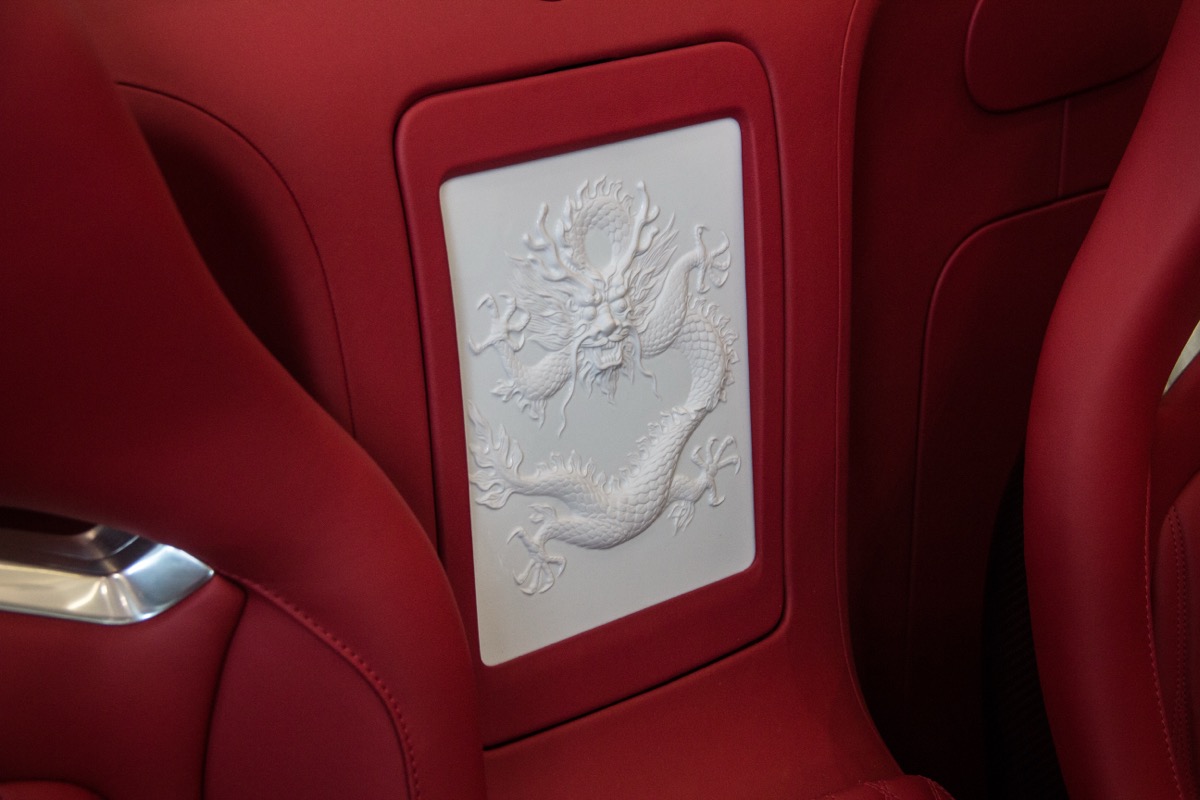
Bugatti’s modern era (now Bugatti Rimac) is defined by a single engineering objective: more. The Veyron’s 1,001 hp W16 was excess made mechanical. The Chiron’s 1,479 hp W16 was the same philosophy refined. The Tourbillon, announced as the W16’s successor, uses a naturally aspirated V16 paired with three electric motors. Bugatti doesn’t compete on a track; it competes on the test of what’s possible to engineer into a road car while maintaining the ability to drive it to a restaurant.
Rimac — The Electric Future
Mate Rimac built his first electric sports car in his garage at 19. The Nevera produces 1,914 hp from four electric motors, does 0–60 in 1.74 seconds (the fastest-accelerating production car ever tested), and is probably the most technically advanced car on this page. Rimac is also the technology partner for Porsche and Bugatti, supplying electric powertrains to manufacturers who can’t develop them fast enough. In 15 years, Rimac went from a garage to defining the future of high-performance automotive engineering.
Price Tiers: What Budget Gets You What Car
| Tier | Range | What You Get |
|---|---|---|
| Entry exotic | $100K–$200K | Used Ferrari 488, Lamborghini Huracán base, McLaren 570S, Audi R8 V10 |
| Production supercar | $200K–$500K | New McLaren 750S, Ferrari 296 GTB, Lamborghini Huracán Tecnica |
| Flagship | $500K–$1M | Ferrari SF90 Stradale, Lamborghini Revuelto, limited-edition specials |
| Hypercar | $1M–$3M | Bugatti Chiron, Pagani Huayra, Koenigsegg Jesko, Aston Martin Valkyrie |
| Beyond | $3M+ | Bugatti Bolide, Koenigsegg Jesko Absolut, Pagani Zonda Revolucion |
For our detailed buyer’s guide to the $100K–$200K tier, see our ranked breakdown of what your money actually gets you.
What Ownership Actually Involves
The most common misconception about exotic car ownership is that the purchase price is the major cost. It is often the minor cost.
Annual ownership cost estimates by tier:
- $200K exotic: $15,000–30,000/year (service, insurance, tires, storage)
- $500K+ supercar: $30,000–60,000+/year
- $1M+ hypercar: $50,000–100,000+/year (plus appreciation/depreciation swings)
Service intervals on production exotics run $2,000–8,000 per visit. Annual insurance on a $300K supercar ranges from $5,000–15,000 depending on storage, usage, and insurer. Tires cost $1,500–3,500 per set. Climate-controlled storage runs $500–2,000/month in major markets.
These numbers explain why many enthusiasts start with track day experiences, exotic car rentals, and driving clubs rather than ownership. Services like Turo (peer-to-peer exotic car rental), Gotham Dream Cars, and Xtreme Xperience (track day events with exotic fleets) offer the experience without the ownership commitment — and they’re a genuinely smart way to discover which car you actually want before committing six figures.
Getting started without buying: Track day experiences ($200–500 for a half-day session) let you drive multiple exotics on a closed circuit with instruction. Xtreme Xperience runs events at tracks across the US. It’s the highest-return-per-dollar way to understand what these cars actually feel like.
The Community
The exotic car community is more accessible than it appears from the outside. Concours d’Elegance events (Pebble Beach, Amelia Island, Villa d’Este) are open to the public. Track day organizations like Chin Motorsports, NASA, and SCCA run events for street cars. The Targa Trophy and similar events put road cars through multi-day driving routes in spectacular locations.
Online, forums like FerrariChat, LamborghiniTalk, and McLaren Life have deep technical archives. YouTube channels by owners (Shmee150, Mr JWW, DailyDrivenExotics) cover ownership realities alongside the spectacle. Reddit’s r/cars and r/Autos surface honest discussion about what ownership is actually like at every price point.
And if you came to exotic cars through gaming — Gran Turismo’s Brand Central, Forza’s Autoshow, Need for Speed’s car list — you already have a foundation of knowledge about these manufacturers, their model lineups, and their relative performance characteristics that transfers directly to the real world. The games are a genuine gateway, and nobody in the community looks down on that entry point.
Where to Go Next
This guide is the foundation. From here, go deep on whichever manufacturer’s philosophy resonates most — each one tells a different story about what high-performance cars are for. Start with the car that started it all for us: The Koenigsegg Jesko. Or see where your favorites rank in our Best Exotic Cars of All Time.
New to exotic cars? Our How to Buy Your First Exotic Car guide covers everything from budget planning to pre-purchase inspections — the practical playbook for going from admirer to owner.
Share this

Join the conversation
COMMENTS
Loading comments…
No comments yet. Be the first to weigh in.
Leave a comment
Posted
Thanks for joining the conversation.