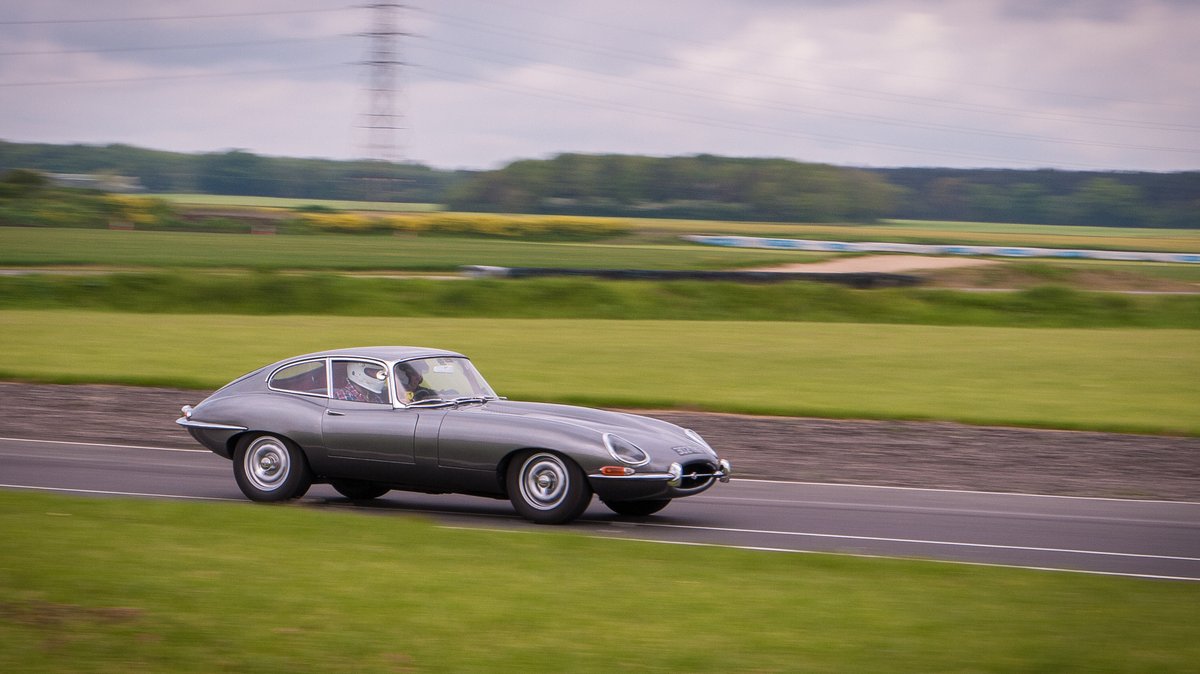
From Poster to Project: How to Actually Get Into Track Days
Most people who call themselves car enthusiasts have never driven a track. They’ve watched racing for years, read everything, memorized the lap records at the Nürburgring, and they can name the corners at Laguna Seca in order. Driven a circuit? No. The car they’re proud of sits in a garage or a parking lot, and the track stays a fantasy.
The gap between poster and project is almost entirely in your head. Logistically, the thing is wide open.
HPDE Is the Real Entry Point
High Performance Driver Education, HPDE, is the thing you actually want. Not track days in the loose sense of the phrase, not time trials, and definitely not wheel-to-wheel racing. Car clubs and sanctioning bodies run HPDE events to give drivers circuit experience in a structured, coached environment where safety comes first. They exist because the people running them understand that most drivers have no idea how to drive at speed, and that learning without structure is how people get hurt.
The major organizations in the US are NASA (National Auto Sport Association, not the space one), SCCA (Sports Car Club of America), PCA (Porsche Club of America, open to non-Porsche owners), and BMW CCA (BMW Car Club of America, similarly open). Each runs multiple HPDE events per season at tracks across the country, tiered by experience: novice, intermediate, advanced, and instructor. You start at novice. An instructor rides with you.
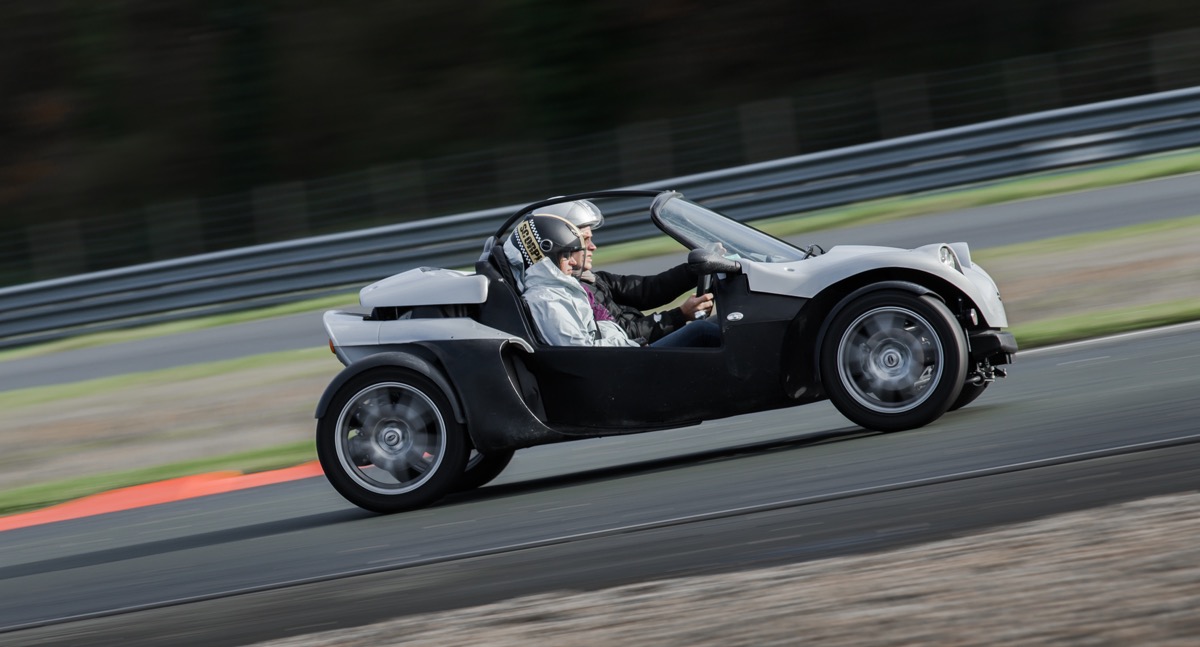
The first run group is not a race. Nobody out there is trying to beat you, and passing is restricted to specific zones anyway. The instructor watches your hands, your braking points, your line, and corrects things as you go. You learn. That’s the whole design.
What Car You Actually Need
Not the car you think you need. The most common novice mistake is believing that a more powerful car is a better track car. More power just makes a harder one. What matters at HPDE is chassis balance, brakes you can modulate, and behavior at the limit you can predict, and a completely stock first-generation Mazda Miata delivers all three better than a modified muscle car with 400 horsepower and stock brakes.
Look around the HPDE paddock and you’ll find the other usual suspects: BMW E36 3-Series, Honda Civic Si, Ford Mustang GT, Subaru BRZ/Toyota GR86. Any of these work. Really, any car with four wheels, a functioning brake system, and no fluid leaks works. Novice HPDE does not require a roll cage, a fire suppression system, or a race harness. A stock car with fresh fluids and healthy brakes is what you need.
One real requirement: functional brakes, properly bled. Track driving uses brakes hard, repeatedly. Brake fade is the technical term for what happens when brake fluid boils under heat, and it happens fast in a car running street brake fluid in a track environment. Before your first event, flush the brake fluid with a performance fluid rated for higher temperatures. ATE Type 200 or Motul RBF 600 are under $30 a bottle. Not optional.
After the fluid, a helmet. SA2015 or later rating minimum at most venues, SA2020 preferred. A proper Snell-rated helmet runs $150–400 new. Some tracks rent them, or you can find a used one that hasn’t been crashed. Gloves, fire-resistant suit, HANS device: all of that comes later, as you move up the run groups.
What a Weekend Actually Costs
Specific numbers, because vague estimates are useless.
HPDE registration: $250–450 per day depending on the event and organization. A full weekend, Saturday and Sunday, runs $400–800 for registration alone. NASA events tend to be slightly cheaper than PCA events, and regional events are cheaper than national ones.
Consumables per track day. Tires wear faster on track than on the street; one day on a stock street tire won’t destroy it, but you’re speeding up the clock. Budget $0 for the first few events if your tires have life left. Pads are the other item. Stock pads aren’t designed for sustained high-temp use and may need replacement after a few events, and a set of performance track pads (Hawk HPS or similar) runs $80–150 for front and rear.
Hotel if the track isn’t local: $100–180/night.
Food and fuel: both are consumed faster than you’d expect.
Realistic total for a beginner weekend: $600–1,000 all-in if you’re driving to a local event with a car in good shape. Significantly less than one month’s payment on a car you’ve probably thought about buying.
The Track Experience Itself
You arrive in the paddock on Saturday morning and the cars already parked there tell you what kind of day it is: stock-looking Miatas, beat-up E36s with roll bars and the seats pulled out, a Cayman or two, somebody’s daily-driver Civic. Dedicated track cars next to street cars. First-timers next to people who’ve been doing this for twenty years.
Walk the track on foot if it’s offered, and most HPDE events do let novices walk the circuit before the day starts. Do it. Seeing a corner at human speed, standing on the turn-in point, looking at the apex and where the exit actually goes, converts straight into driving it later. Corners that look tight on a map turn out to be much faster than expected once you’re standing in them.
Your first session is three to five laps with an instructor in the passenger seat. The car ahead of you is not your competitor. The braking point the instructor calls out, “brake here, at the 2 board,” is the lesson for that lap and nothing else. Your job is to build a map of the circuit in your head, smooth out your inputs a little each time around, and not scare yourself.
What surprises first-timers is how long the braking zones really are, how late you can brake once you trust the car, and how much speed you can carry into a corner when the line is right. The car does more than you expect it to. Your instincts are far more conservative than the physics require, and the track walks you through that slowly and safely, session by session.
The Organizations, Ranked for Beginners
NASA is the best starting point for most people. Rigorous safety inspection, a clear progression from novice through advanced, events at tracks in every region of the US. The instructors are experienced and the instruction quality holds up from event to event.
PCA events are very well organized and draw an older, often more experienced crowd. Non-Porsche cars are accepted. Everything feels a bit more civilized: quieter, better catering, a relaxed paddock. A good first event if the PCA chapter near you runs one.
BMW CCA is run just as well and also accepts non-BMW cars, though event quality varies more by region than it does with NASA or PCA.
SCCA is better known for wheel-to-wheel road racing, but it also runs HPDE-style events under different names depending on the region. Worth checking your local region’s schedule.
All of them post schedules online and all of them require pre-registration. You don’t just show up. You sign up weeks ahead, and plenty of events sell out.
The Only Actual Barrier
Cost isn’t what stops people. Neither is the car, or the safety gear. The only actual barrier to doing your first track day is the decision to register for one.
Most people who are into cars carry this thought around for years. They talk about it. They watch onboard footage. They think “I should really do that.” And then they don’t, because inertia is comfortable and change is not. The track stays an abstraction.
Go register. Pick an event within driving distance, pick a date in the next 60 days, send the money. Now it’s real and you have to show up.
Everything between a poster on the wall and actually driving a circuit is logistics, and logistics are solvable. What’s left is booking the lap.
So stop planning it. Go.
If you’re tracking a serious build instead of a stock car, the R34 GT-R builder community and the Mazda RX-7 FD ownership realities cover what experienced trackday participants actually run. And if you’re weighing the cost against ownership in general, our 5-year cost-of-ownership comparison puts trackday consumables in context against the rest of running a supercar.
Share this
Keep Reading
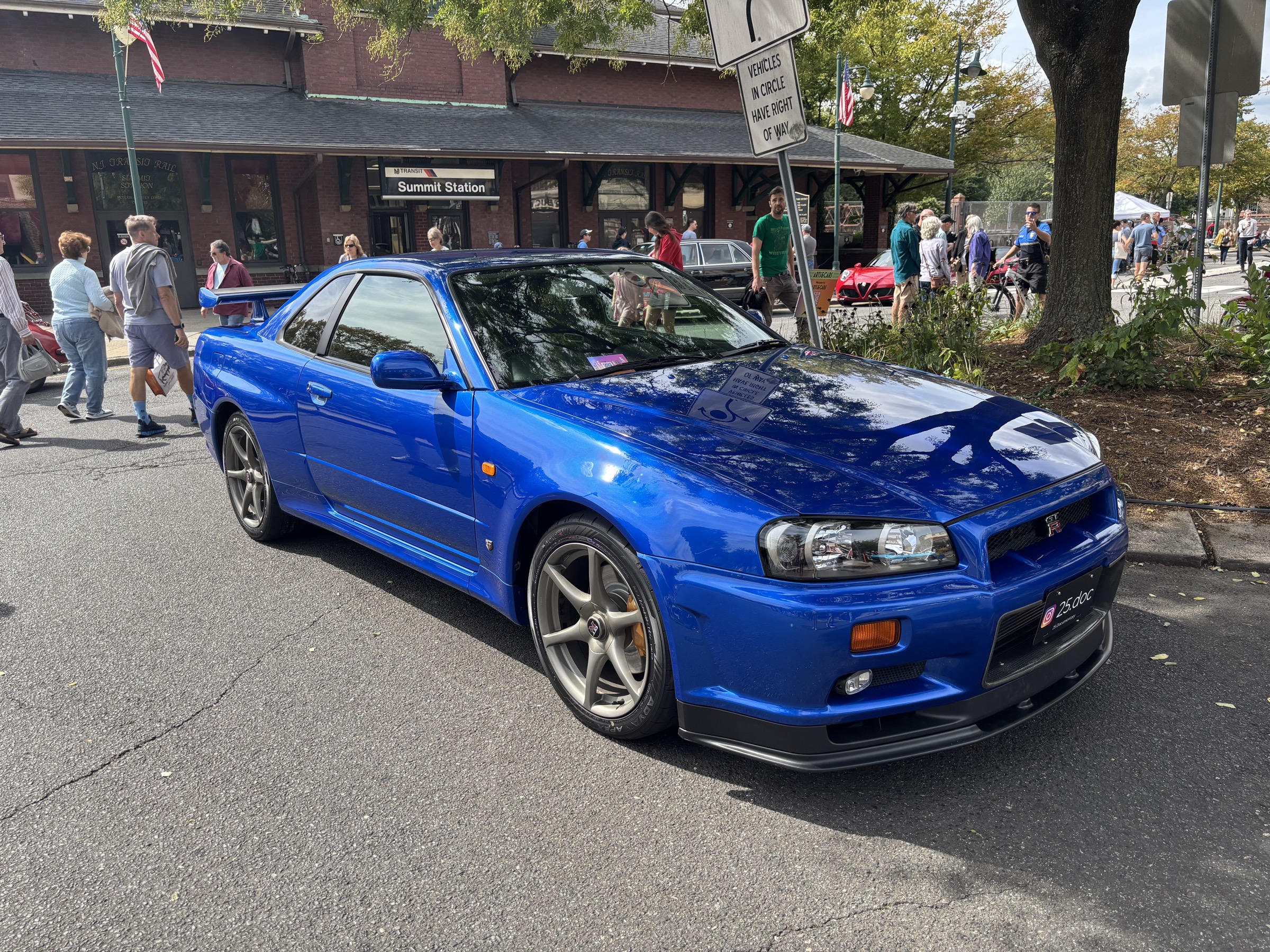
Nissan Skyline GT-R R34: US-Legal Now — Specs, Prices & JDM Buyer's Guide (2026)
April 5, 2026
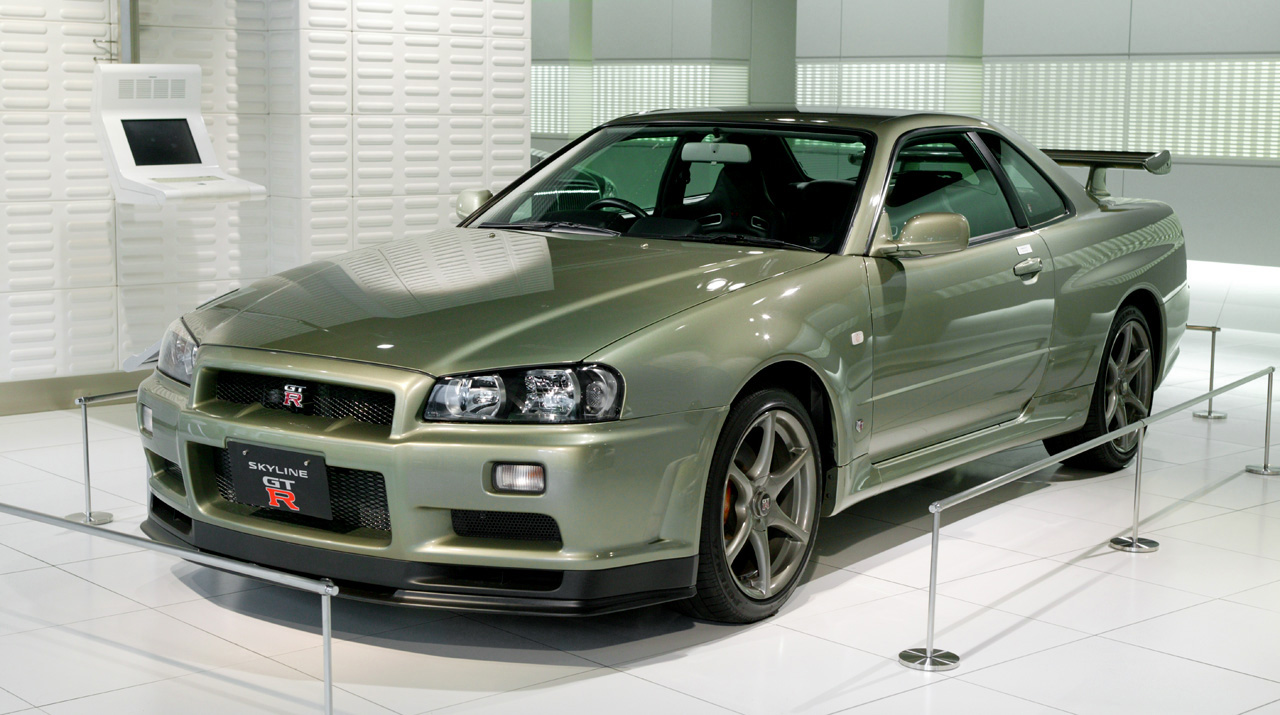
The World's Most Insane GT-R Builds (And Why the R34 Is Still the Starting Point)
April 5, 2026
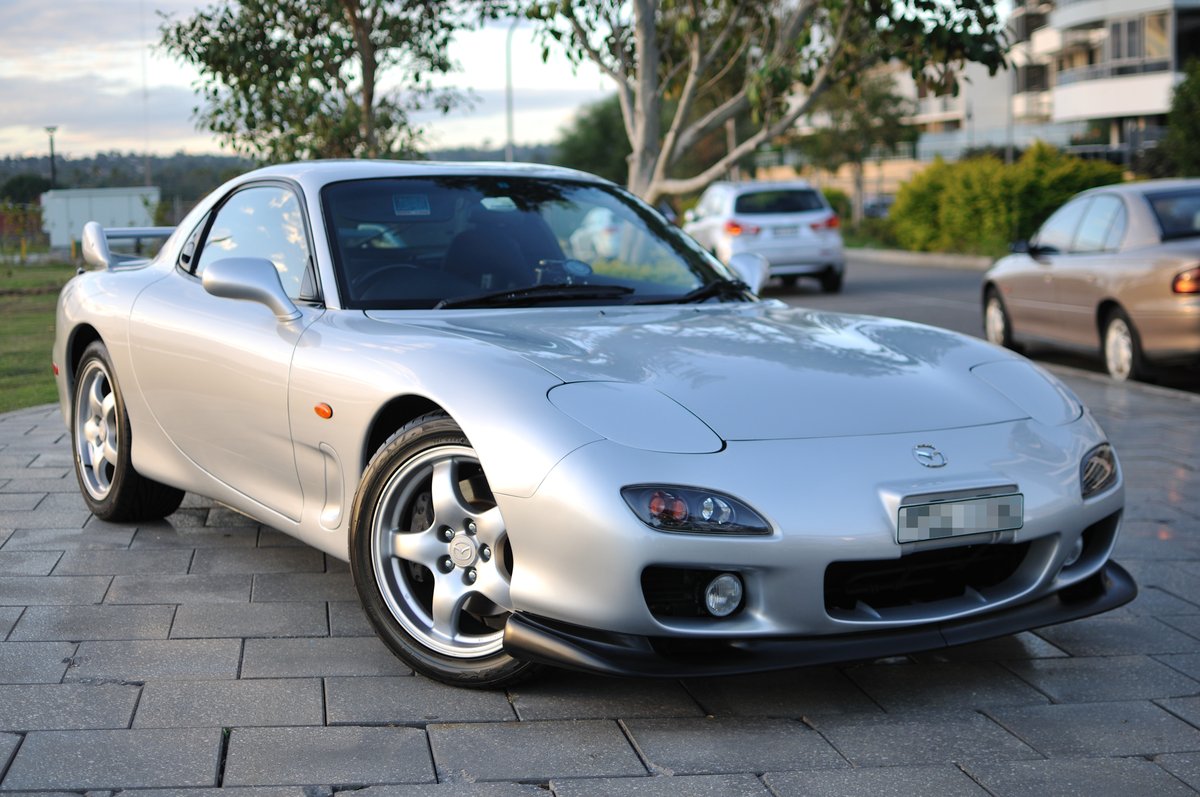
The Mazda RX-7 FD: A Love Letter to the Engine That Shouldn't Work
April 15, 2026
Join the conversation
COMMENTS
Loading comments…
No comments yet. Be the first to weigh in.
Leave a comment
Posted
Thanks for joining the conversation.