
How Much Does Exotic Car Insurance Actually Cost? (Real Numbers for 2026)
The question everyone has before they seriously consider buying an exotic car is the same: what is this actually going to cost me to insure?
The answer is not what most people expect. Exotic car insurance is expensive — but it is not as expensive as the internet horror stories suggest, and for many cars it is significantly cheaper than insuring a daily driver if you know where to look and what to ask for.
Here are the real numbers for 2026, broken down by car tier, plus every factor that affects your rate and exactly how to get the best price.
The Short Answer: What You’ll Pay by Car Tier
| Car Type | Annual Premium Range | Notes |
|---|---|---|
| Entry exotic (Porsche 911 Turbo S, AMG GT) | $1,800–$4,500 | Most accessible — daily drivers with proper use |
| Mid-tier supercar (Ferrari 488, Lamborghini Huracán) | $3,000–$9,000 | Agreed value policy standard |
| High-end supercar (McLaren 720S, Ferrari SF90) | $5,000–$14,000 | Limited mileage clauses common |
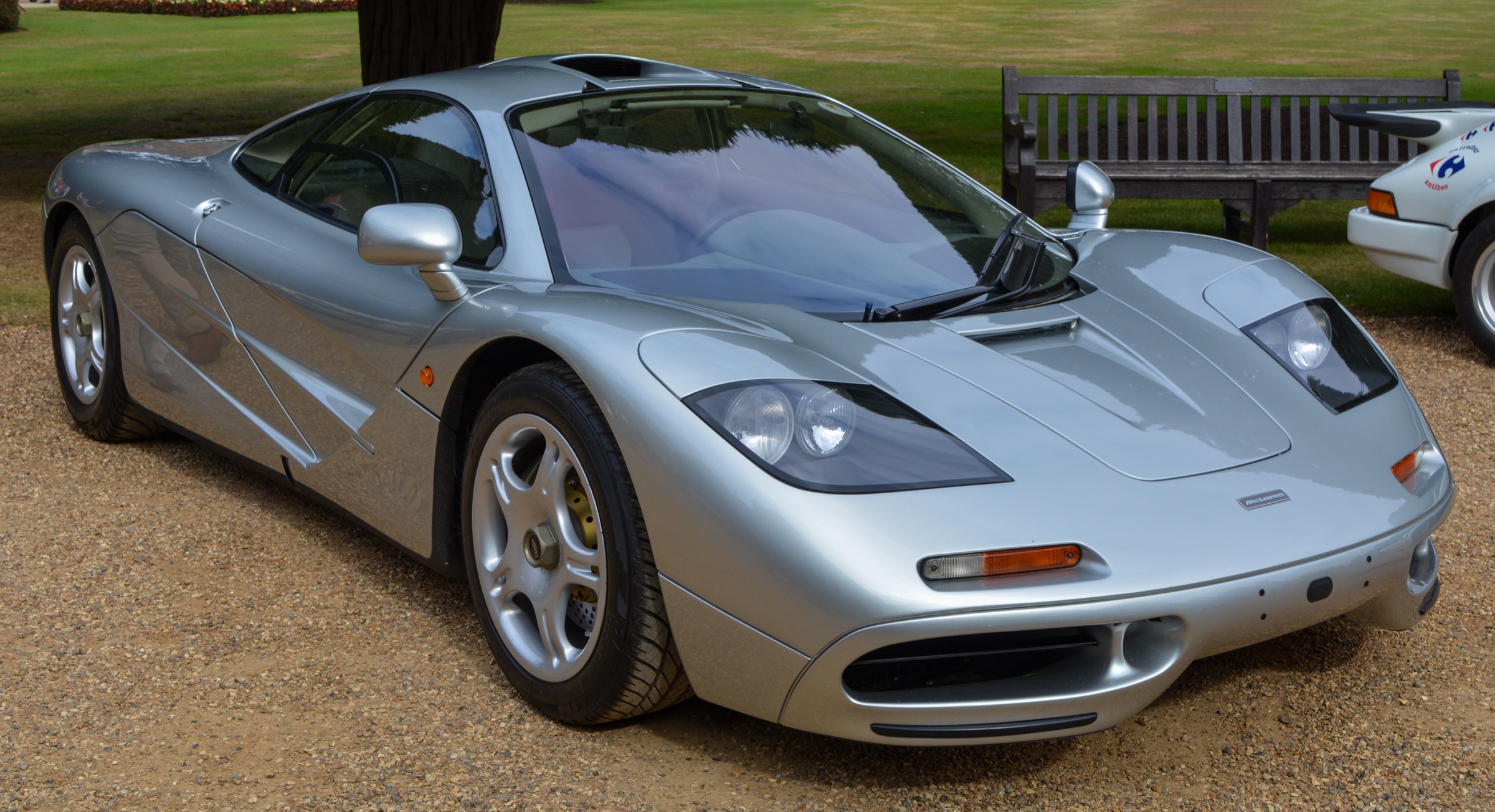
| Hypercar (McLaren P1, Porsche 918, LaFerrari) | $12,000–$30,000 | Specialist insurers only |
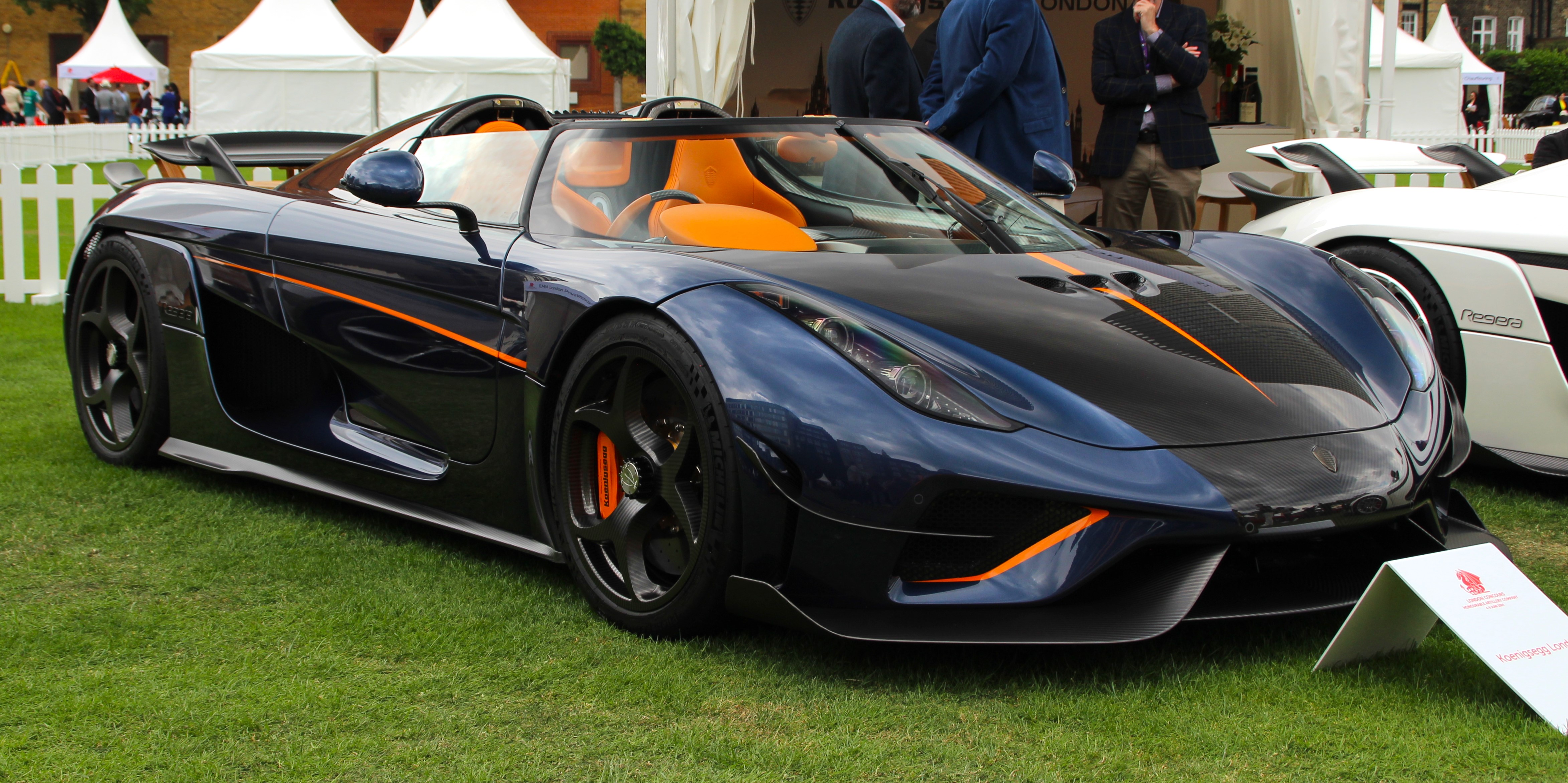
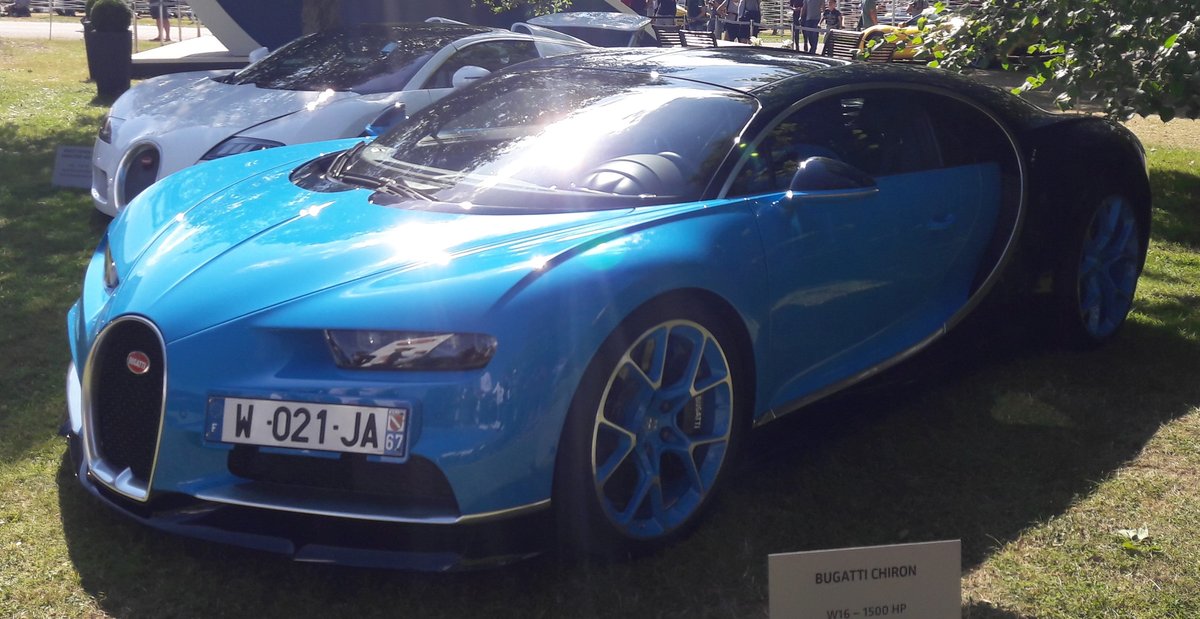
| Megacar (Bugatti Chiron, Koenigsegg Regera) | $30,000–$75,000+ | Agreed value, garage requirements, security audit |
These are annual figures for a clean driving record, private use, and appropriate storage. A DUI, track use, or commercial operation changes every number significantly.
For context on the full spread: specialist-insurer surveys put annual exotic premiums between roughly $1,500 and $35,000, with true hypercars sitting above that ceiling. Real-world Bugatti policies run $96,000–$133,000 a year, a LaFerrari or F80 lands around $38,000–$42,000, and at the extreme a Rolls-Royce Arcadia has been quoted near $330,000. The “$75K+” megacar figure above is the floor, not the ceiling.
Why Exotic Car Insurance Costs What It Does
Standard car insurance is built around replacement cost — if the car is totalled, the insurer pays market value. For a five-year-old Honda Civic, that’s a straightforward calculation.
For a Bugatti Chiron, there are only 500 in existence. Market value is not a number you can look up in a database. Replacement parts require Bugatti’s own supply chain. A fender repair can cost more than the entire purchase price of a standard vehicle. The actuarial model that works for mass-market cars does not apply.
Three factors drive exotic premiums above everything else:
1. Parts and repair costs. A McLaren 720S carbon fibre monocoque is not repaired at your local bodyshop. It goes back to the manufacturer. A moderate rear-end collision on a Ferrari 488 can generate a six-figure repair bill — and the insurer pays it.
2. Replacement value volatility. The used hypercar market moves fast. A Porsche 918 Spyder bought for $1.4M in 2015 trades for $2.5M+ today. An insurer who pays 2022 market value on a 2026 claim has underpaid by seven figures. Agreed value policies — where you lock in the insured value at inception — exist specifically to solve this problem.
3. Risk profile of the driver pool. Statistically, a 45-year-old buying their first Lamborghini after a career in finance is a higher-risk driver than a 45-year-old who has owned performance cars for twenty years. Insurers price this. Your automotive history matters as much as your driving record.
The Specialist Insurers You Need to Know
Standard insurers — State Farm, GEICO, Progressive — will often decline to quote exotic cars or offer policies so restricted they’re effectively useless. You need a specialist.
Hagerty is the gold standard for enthusiast car insurance. Their policies are built around agreed value, flexible mileage, and a claims process designed for people who actually know what their car is worth. They also insure collections, which matters if you own more than one car. For anything from a $60,000 Porsche to a $3M hypercar, Hagerty is the first call.
Chubb Masterpiece targets high-net-worth clients and is known for paying claims without argument. Their premiums run higher than Hagerty but their coverage is broader and their customer service for major claims is consistently rated best-in-class.
Grundy and American Collectors Insurance are strong alternatives for agreed value coverage, particularly on classic and appreciating exotic cars. Both are more flexible than standard insurers on garaging requirements.
AIG Private Client covers the ultra-high-end — Bugattis, Paganis, Koenigseggs — and includes concierge claims handling and worldwide coverage.
The key rule: never insure an exotic car on a standard personal auto policy. The agreed value language in specialist policies is not a nice-to-have. It is the difference between a claim that covers your actual loss and one that leaves you six figures short.
What Actually Determines Your Premium
Agreed Value vs Stated Value vs Actual Cash Value
The single most important term in your exotic car policy.
- Agreed value: You and the insurer agree upfront what the car is worth. Total loss pays that number in full, no depreciation. This is what you want.
- Stated value: You state the value; the insurer pays the lesser of stated value or actual cash value at claim time. Avoid this.
- Actual cash value: The insurer determines value at claim time. On an appreciating exotic, this can significantly underpay.
Always insure at agreed value. The premium difference is worth it.
Annual Mileage
Specialist insurers tier premiums by use. Under 5,000 miles annually typically qualifies for the lowest tier. 5,000–10,000 miles sits in the middle. Over 15,000 miles — daily driver territory — pushes premiums toward the top of the range or into standard insurance territory.
If you daily drive your exotic, be honest with your insurer. A claim that reveals 20,000 annual miles on a policy rated for 5,000 is grounds for denial.
Garaging and Security
Where the car lives matters. A locked, alarmed private garage reduces your premium. A car parked on a public street overnight in an urban area increases it. Some insurers at the hypercar level require a monitored garage, GPS tracking, and documented security measures before they’ll write the policy.
Driver History and Experience
Clean record, no claims, multiple cars owned: favourable. First exotic, recent claims, younger driver: the insurer adds risk premium at every point. Some specialist insurers also factor in track day history — which can cut both ways. Track experience shows driver competence; track use itself typically requires a separate policy endorsement.
Primary Use
Street use: standard rates apply. Occasional track use: requires an endorsement, typically adds $500–$2,000 annually depending on the car and track frequency. Regular track use or competition: separate track day policy required. Standard street policies exclude on-track incidents universally.
How to Get the Best Rate
Shop specialist insurers only. Hagerty, Chubb, Grundy, American Collectors — get quotes from all of them. Premiums vary by 30–50% for identical coverage on the same car.
Negotiate agreed value carefully. Insure at current market value, not purchase price. If the car has appreciated since you bought it, update the agreed value at renewal. If you underinsure an appreciating exotic, the agreed value gap is your problem.
Bundle your collection. If you own multiple vehicles, bundling under one specialist policy almost always produces better rates than individual policies per car.
Take a performance driving course. Some specialist insurers — Hagerty particularly — reduce premiums for drivers who complete sanctioned performance or track driving education. The Skip Barber or Bob Bondurant programs qualify. You become a better driver and pay less. Both outcomes are correct.
Consider a higher deductible. On a $400,000 car, the difference between a $5,000 and $10,000 deductible can meaningfully reduce your annual premium. On a car you won’t be driving through hailstorms, a higher deductible makes financial sense.
The Number Most People Don’t Expect
For the most commonly owned exotic cars — Porsche 911 Turbo, Ferrari 488, Lamborghini Huracán — the annual insurance premium for a low-mileage, specialist policy with agreed value coverage typically runs $3,000–$7,500 per year.
That is less than most people pay to finance a new mid-size SUV monthly.
The car is still expensive. Maintenance, tyres, and the purchase price itself are the real carrying costs. But insurance — when you go through the right specialist and structure the policy correctly — is manageable in a way that surprises most people researching exotic car ownership for the first time.
The cost of owning an exotic car is real. The cost of insuring one, handled correctly, is almost never the reason you don’t.
Get a quote: Hagerty is the recommended starting point for enthusiast car insurance in the US. Their agreed value policies and knowledgeable claims team are the benchmark the industry is measured against.
Share this
Join the conversation
COMMENTS
Loading comments…
No comments yet. Be the first to weigh in.
Leave a comment
Posted
Thanks for joining the conversation.