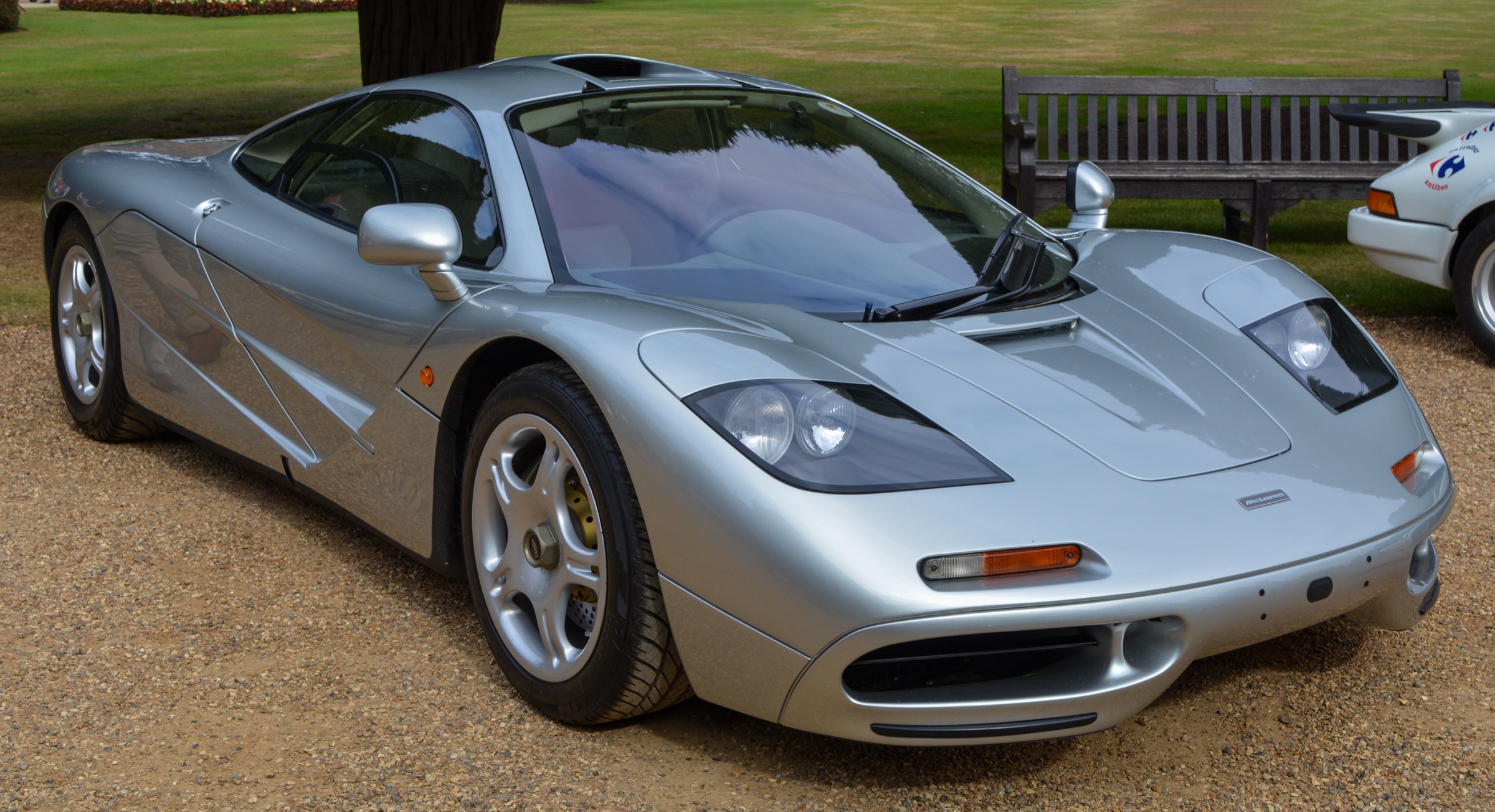
The McLaren F1: The Last Car Gordon Murray Will Ever Need to Apologise For
There’s a version of the world where the McLaren F1 is just a very quick car from the 1990s. A curiosity from before hybrid systems and active aerodynamics, before a computer could tell you exactly how much grip you had left, back when carbon fibre was the exotic choice rather than the default.
That version of the world is wrong.
The F1 came out of one man’s refusal to accept the compromises everyone else had already signed off on. Thirty years later, nobody has answered the argument it makes.
The Numbers That Still Don’t Make Sense
Start where every F1 conversation has to start: 243 mph. A road car. In 1998. Naturally aspirated.
No turbos. No electric motors, no hybrid system quietly filling in the torque gaps. A BMW S70/2 V12, 6.1 litres, breathing air at atmospheric pressure, making 627 horsepower out of combustion and precision and nothing else. The car weighed 1,138 kg, which at the time made it the lightest production road car with a full interior.
For context, a current Porsche 911 GT3 RS, one of the most sophisticated naturally aspirated road cars anyone builds today, weighs more and makes less power. The F1 managed it before the iPhone, before GPS navigation was standard equipment, before anybody was using the word hypercar.
It held the production car top speed record for nine years. For most of a decade, nobody got close.
The Gold Engine Bay
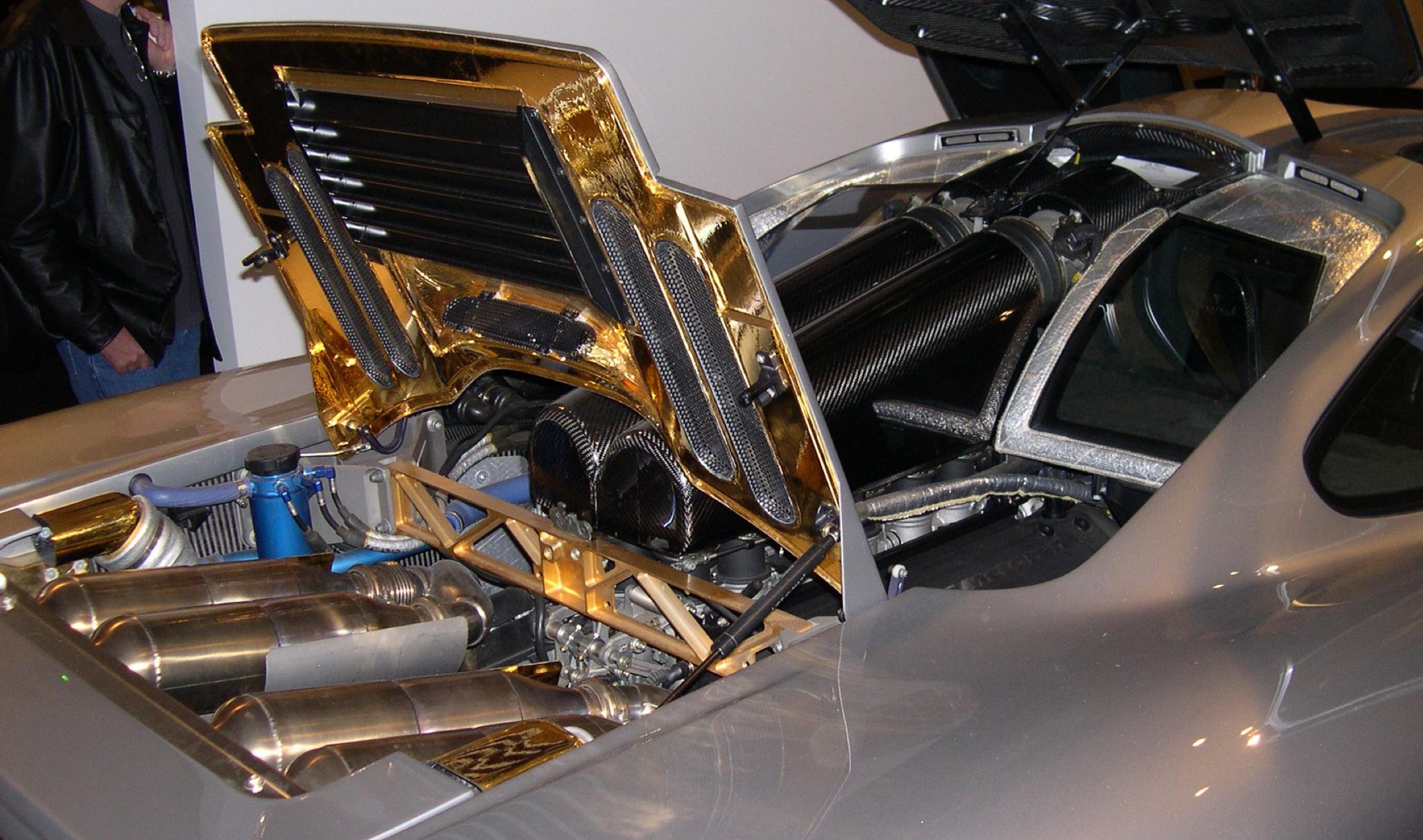
If you know one thing about the McLaren F1, it’s probably the gold. The engine bay is lined with gold foil, and it isn’t jewellery.
Gordon Murray specified gold because, per unit of weight, nothing insulates better. Gold reflects heat more effectively than any other thin, flexible material you could line a bay with. And that bay runs hot. Every gram of acoustic damping or heat shielding you add is a gram you then have to carry, so Murray took the most efficient material available and ignored what it cost. Efficiency was the point.
That’s the F1 in miniature: every decision made for the best possible reason, cost left out of the conversation whenever performance was at stake.
No power steering, because it would add weight and reduce feel. No stability control and no traction control, because they’d add weight and complexity both. The central driving position (driver in the middle, one passenger either side and slightly behind) was specified for sight lines and weight distribution, and because it’s the most structurally efficient way to package three people. Not because it looks spectacular. It does, but that was a side effect.
Everything on the car is there because it’s correct. Nothing is there because it’s conventional.
Gordon Murray’s Actual Brief
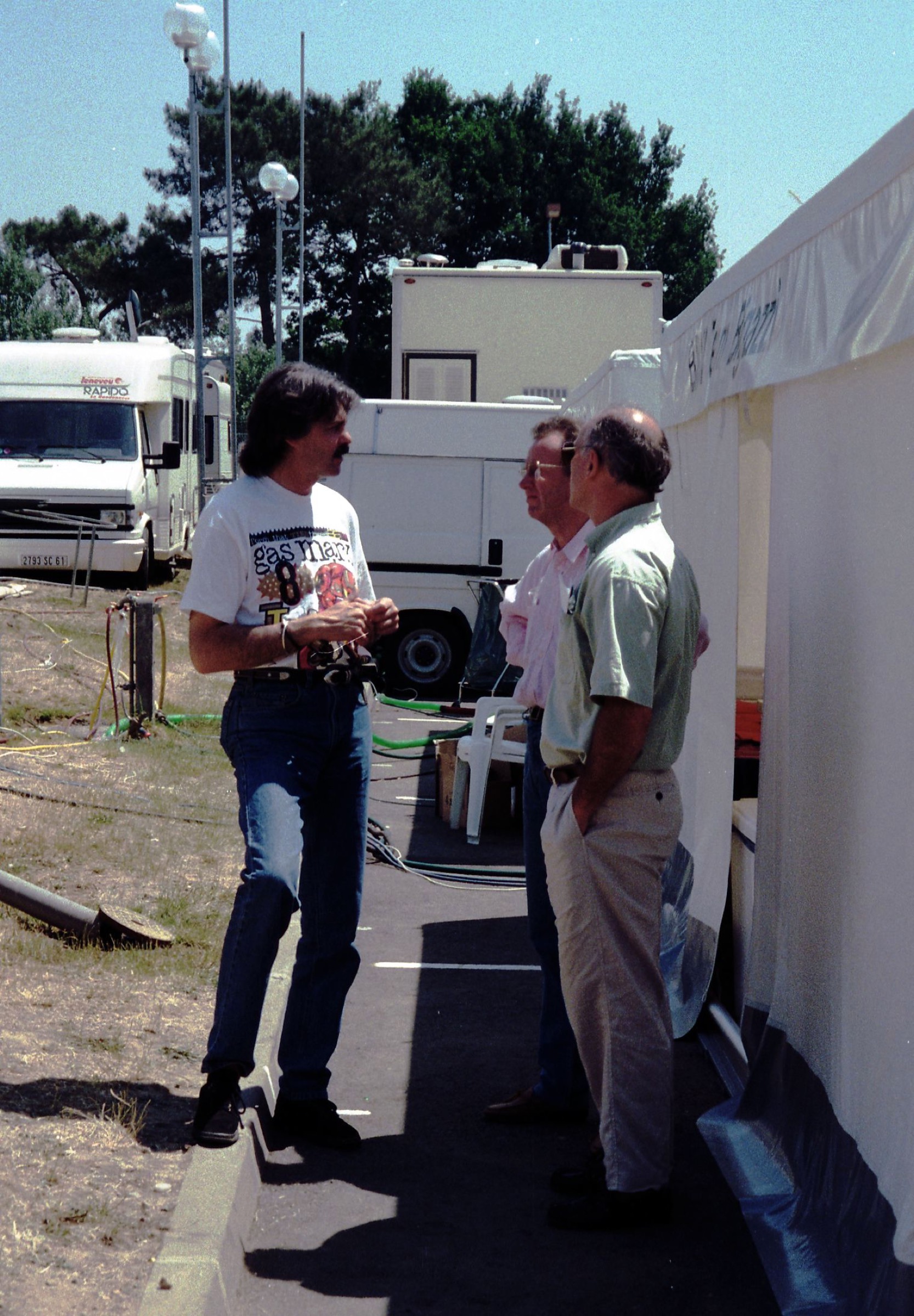
To understand why the F1 exists, you have to know what Gordon Murray had been doing beforehand.
He spent the 1980s as chief designer of the Brabham and then the McLaren Formula 1 cars, the ones Niki Lauda and Alain Prost drove to World Championships. He understood race cars at the highest level there is. He also spent those same years watching road cars get heavier, more isolated, more electronic, further and further removed from the act of driving.
The brief he wrote for the F1, and he wrote it himself, came down to this: build the best road car in the world, with no compromises, as if money were not a constraint.
It ran to 65 pages. It specified an ideal weight of 1,000 kg, and the finished car came close. It described the driving experience in emotional terms that engineers are not supposed to use. It insisted the car be usable on a daily basis: no special starting procedure, no warm-up required, no temperament.
The F1 was never meant to end up behind a velvet rope. Murray genuinely intended it to be driven.
The 106 Cars
McLaren built 106 F1s between 1992 and 1998, of which 64 were road cars. The rest were GTR race variants, including the car that won Le Mans outright in 1995 as a privateer entry, against purpose-built factory machinery from Porsche and Ferrari.
Sit with that one for a second. The McLaren F1 GTR, a road car modified for racing, won Le Mans in 1995. Its designer had set out to build the best road car in the world, not a race car. The racing version won anyway, because the road car underneath was so fundamentally correct that turning it into a race car simply revealed a machine of extraordinary capability.
Today, those 64 road cars trade for between $15M and $25M at auction. Original price: approximately £635,000. Expensive in 1992, extraordinary by any measure. That works out at 25x appreciation in thirty years.
Nostalgia doesn’t do that. Markets have no sentiment. The number reflects a genuine, ongoing recognition that the F1 solved problems nobody else has solved since.
What Murray Did Next
In 2022, Gordon Murray released the T.50, his attempt at the car he would have built if the F1 had been designed with thirty additional years of knowledge behind it.
Naturally aspirated 3.9-litre V12, 663 horsepower, 986 kg. There’s a fan at the rear, a ground-effect system in the mould of the famous Brabham BT46B race car Murray designed in 1978, actively managing downforce. Central driving position, same as the F1.
He built 100 of them. All sold before the car was publicly revealed, at approximately £2.36 million each.
The T.50 carries on the F1’s argument without editing a word of it: the correct answer to what a road car should be is one that puts the driver first, removes weight instead of piling on technology, and trusts that a great engine and a great chassis are enough. No electrification. No artificial intelligence supervising your driving. Nothing sitting between you and the machine.
Murray has been making that case for fifty years, and the market keeps agreeing with him.
Why the F1 Still Wins
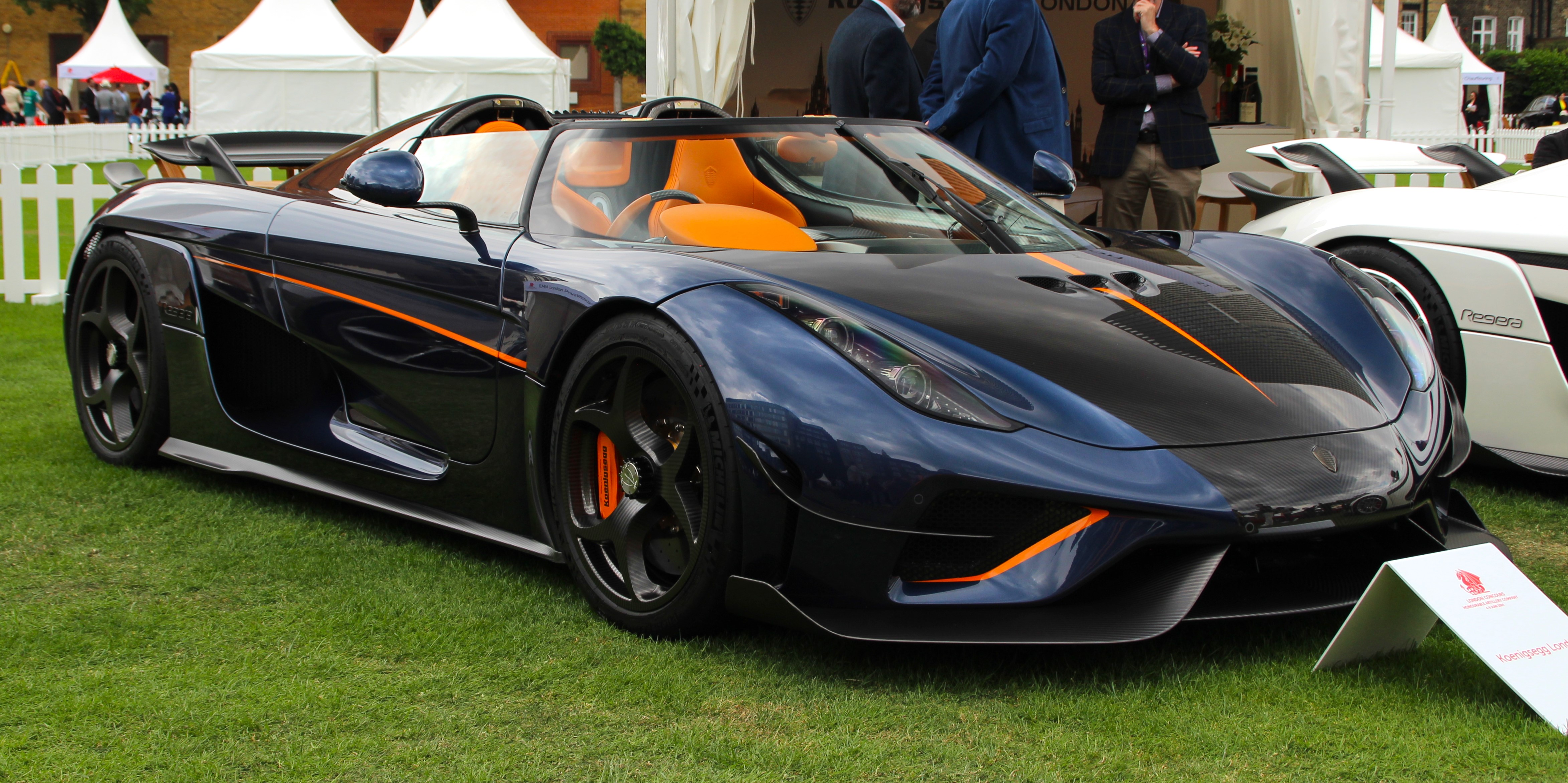
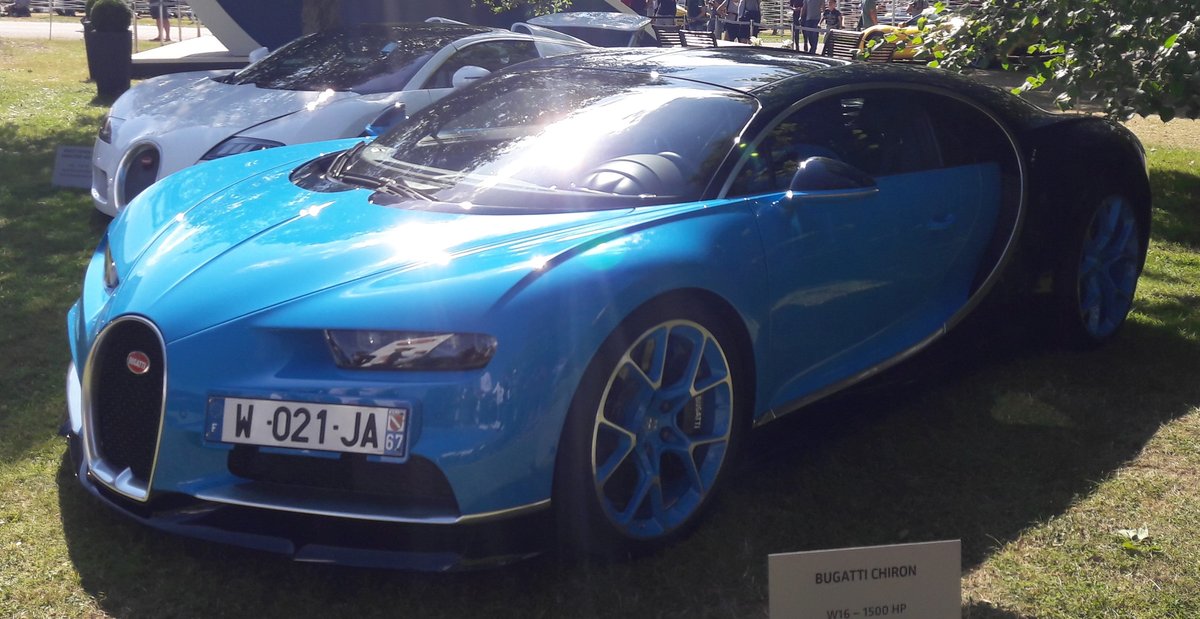
The hypercar landscape in 2026 is extraordinary. The Koenigsegg Regera does 0–400 km/h in 20 seconds. The Rimac Nevera has 1,914 horsepower. The Bugatti Chiron has a W16 engine and goes 304 mph in a controlled setting.
None of them have answered the F1’s actual question.
The F1 was never asking what the highest achievable top speed was. It asked what a driver actually needs from a road car to feel completely connected to the act of driving. What should come off. What should never go on in the first place.
Those questions get harder to ask as cars get faster, heavier and more sophisticated. The F1 asked them in 1988 and answered them in 1992. Gordon Murray answered them again in 2022.
The rest of the industry is still working out what the question was.
Images: 1996 McLaren F1 Chassis No. 63, CC BY-SA. Used for editorial commentary.
Share this
Join the conversation
COMMENTS
Loading comments…
No comments yet. Be the first to weigh in.
Leave a comment
Posted
Thanks for joining the conversation.