The Cars That Defined a Generation: 10 Machines Worth Obsessing Over
These are not the ten fastest cars ever made. They’re not the most engineering-significant — that’s a different list — and a few of them are outclassed by cars they sit next to here. They’re on this list because of what they did to the people who grew up with them. They rewired what a generation of car enthusiasts thought a machine could be.
If you were born between 1980 and 1995, you know these cars. You drove them in Gran Turismo before you had a license. You had their stats memorized before you knew your own locker combination. They aren’t nostalgia. They’re the cultural benchmark — the cars that taught us what to want.
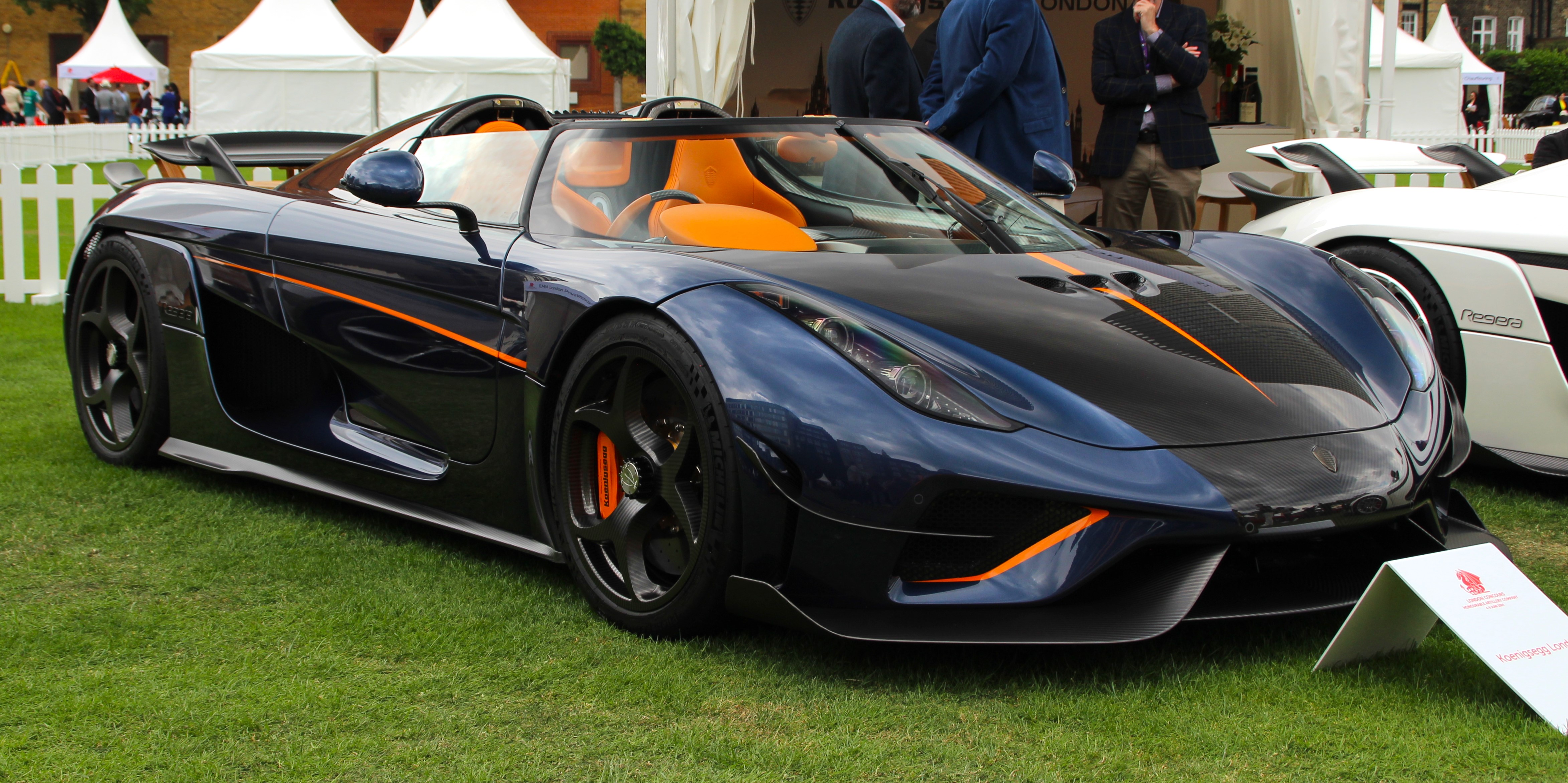
1. Koenigsegg CCX / Regera
The CCX arrived in 2006 with 806hp from a twin-supercharged V8 and zero brand heritage most of the world recognized. Christian von Koenigsegg was building cars in a converted Swedish Air Force hangar with a team that barely hit triple digits. The car weighed 1,180kg and would hit 250mph. It embarrassed established marques with none of their resources.
The Regera came later — 1,500hp, plug-in hybrid, direct drive with no traditional gearbox. It does 0-249mph and back to 0 in under 31 seconds. It costs roughly $2.8 million and Koenigsegg makes fewer per year than most manufacturers make in a morning.
What separates Koenigsegg is this: they solve problems nobody else bothered to solve, with budgets nobody would allocate to solve them. The CCX proved the underdog argument. The Regera made it irrefutable.
Sweden built the most interesting hypercar company on earth.
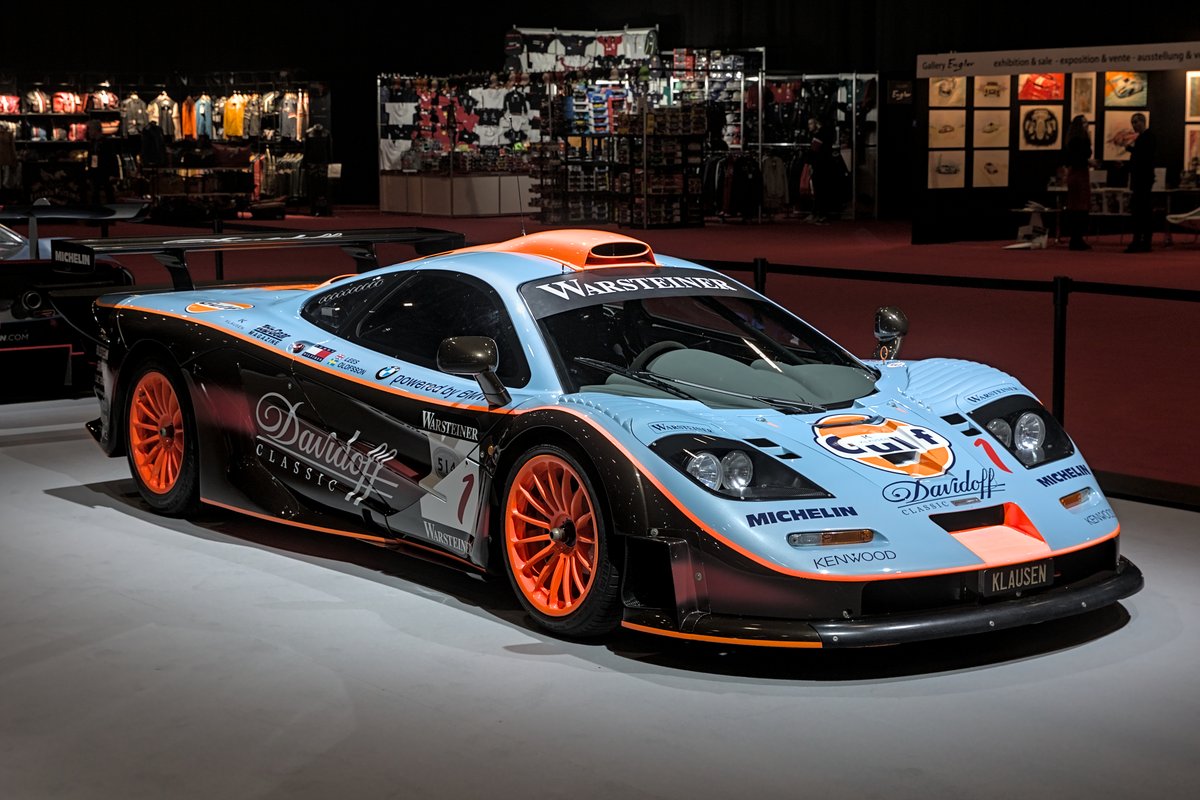
2. McLaren F1
627hp. 1,138kg. Three seats. Central driving position. A naturally aspirated BMW V12 with a gold-lined engine bay because gold reflects heat better than anything else. Built between 1992 and 1998. Six cars were placed in time capsule storage to remain sealed until 2017. One sold at auction in 2021 for $20.5 million.
Gordon Murray designed the F1 with a singular obsession: the driver at the centre of everything, literally and philosophically. No traction control. No ABS at launch. Just mechanical perfection and 231mph — a record it held for seven years.
There are 106 road cars. Every single one is accounted for. The values have not stopped climbing since 1993.
The F1 is what happens when no one tells an engineer he has to compromise.
3. Bugatti Veyron
1,001hp. The number felt like fiction in 2005. A 16-cylinder engine, quad-turbocharged, displacing 8.0 litres, built by Volkswagen Group with a reported development cost of over €1 billion — a figure VW never officially confirmed but never seriously denied. The Veyron lost money on every single car sold.
It weighed 1,888kg and still hit 253mph, making it the fastest production car in the world at launch. The Super Sport version later pushed to 268mph. The tyres cost $42,000 a set and had to be replaced every 2,500 miles at highway speed.
Current values: clean Veyrons trade at $1.2–1.8M depending on specification. The Super Sport pushes $3M.
What the Veyron did that nothing before it managed: it made 1,000hp feel like the baseline. Everything after had to answer to that number.
4. Lamborghini Murciélago
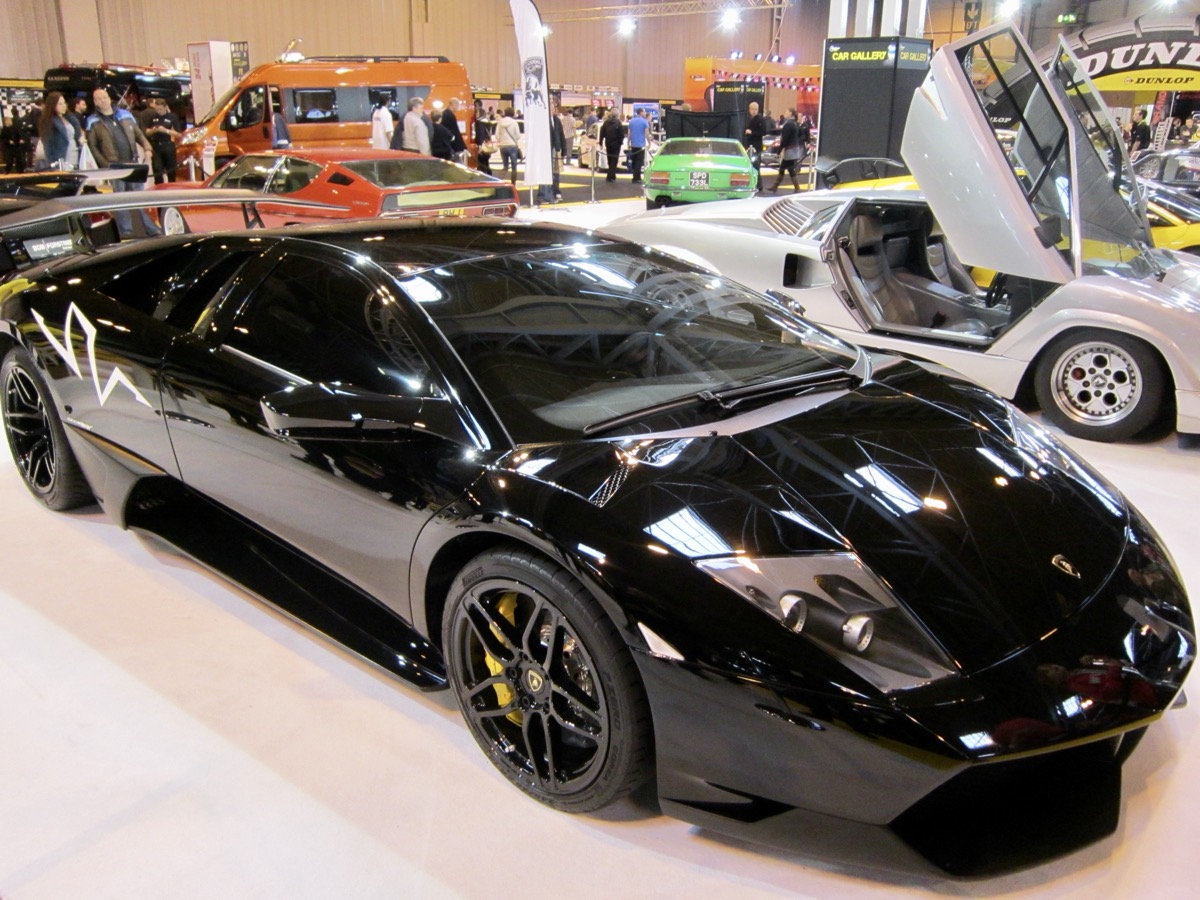
The Murciélago ran from 2001 to 2010 and embodied a specific kind of visual aggression that has never quite been replicated. 6.5-litre V12, eventually 670hp in LP670-4 SuperVeloce form. Scissor doors. A profile that looked like it had been folded from sheet metal with a grudge.
It was derived from the Diablo, which was derived from the Countach — a bloodline of excess that Lamborghini made no apologies for. The Murciélago was the last model developed without significant Audi Group technical intervention, which makes it the last fully Italian Lamborghini in temperament as well as geography.
Values now: $160,000–$280,000 depending on spec. The LP670-4 SV commands a premium that’s still climbing.
Nobody ever bought a Murciélago to be subtle. That was the point.
5. Ferrari Enzo
400 made. 660hp from a naturally aspirated 6.0-litre V12 derived from Formula 1. Carbon fibre monocoque. No power steering, no stability control at launch. Named directly after the founder, which Ferrari had never done before and has not done since.
The Enzo cost $659,000 in 2002. Clean examples now trade at $3.5–4.5M. Michael Schumacher helped develop the chassis. The gearbox paddled through ratios in 150 milliseconds — faster than any production car at the time.
Ferrari made 400 and then an additional unit for the Pope. There is a Ferrari Enzo in Vatican City. That detail tells you everything about what this car meant.
The Enzo was Ferrari’s thesis statement for a decade of hypercar development. Every LaFerrari component traces back to it.
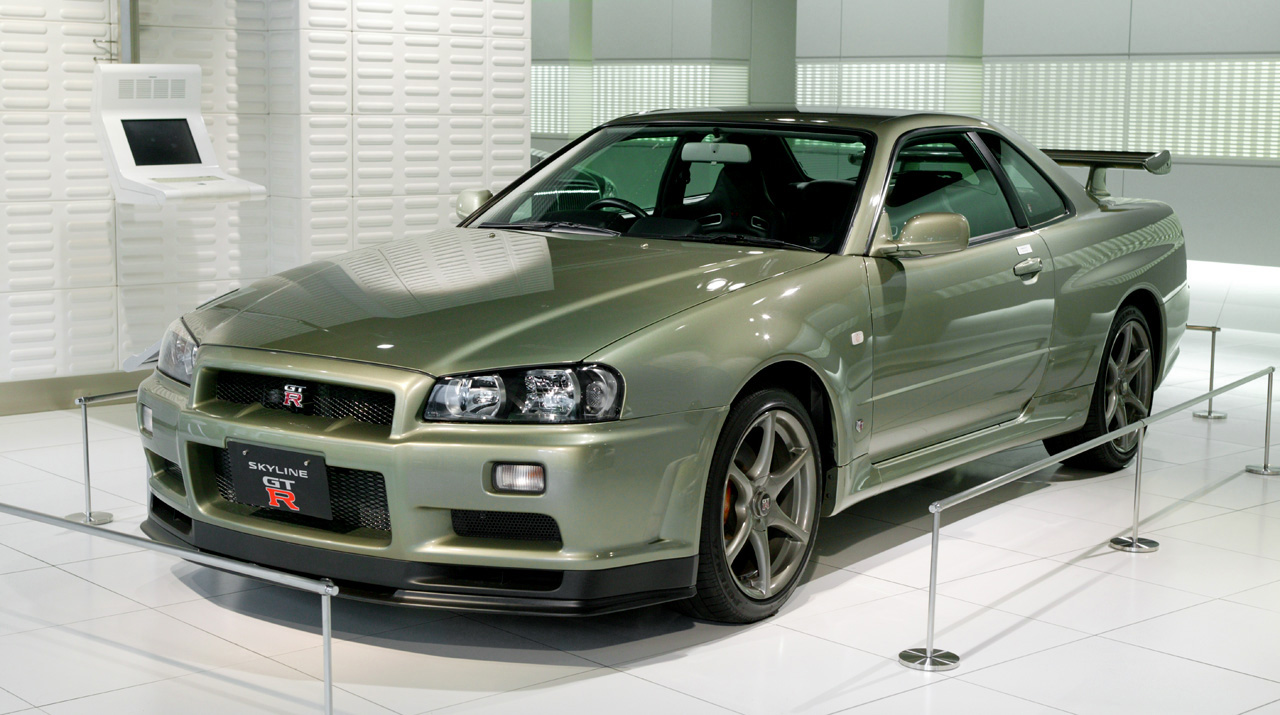
6. Nissan GT-R R34
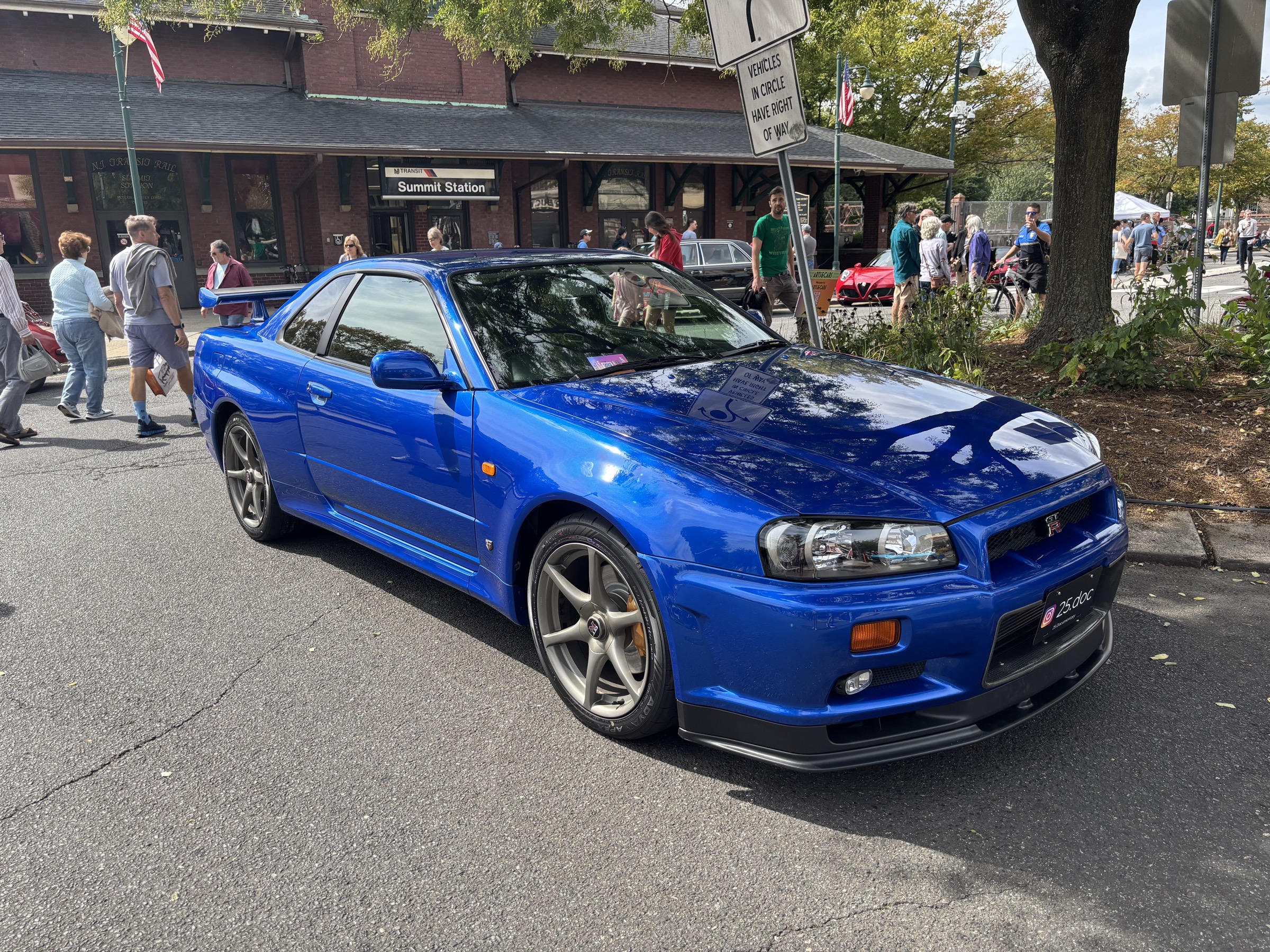
The R34 GT-R ran from 1999 to 2002. 276hp officially — a gentleman’s agreement among Japanese manufacturers that nobody believed. Real output was closer to 320hp from the RB26DETT twin-turbo inline-six. All-wheel drive, ATTESA E-TS Pro. A multi-mode computer system that adjusted torque split in real time. A production car in 1999 doing what most engineers said required racing hardware.
Paul Walker drove one in Fast & Furious. That cultural moment mattered. It introduced the car to a generation that had no prior access to Japanese market performance cars and created a demand that has never cooled.
Clean R34 GT-Rs now sell for $150,000–$250,000 in the US market, partly because they only recently became legal for import. A Nismo R34 Z-Tune sold at auction for $1.1 million.
The R34 made the case that Japan could outthink anyone. Turns out it was right.
7. Pagani Zonda
Horacio Pagani founded his company in 1992 after leaving Lamborghini, where he had pioneered the use of carbon fibre. The Zonda launched in 1999 with a Mercedes-AMG V12 and a cabin that looked like jewellery. Every exposed surface was either carbon fibre, titanium, or machined aluminium. The instrument cluster looked handmade because it was.
Pagani made the Zonda in variants — C12, S, F, Roadster, Cinque, R, Tricolore — until 2017, with various final editions produced almost annually after the model was officially discontinued. It refused to end because collectors refused to let it.
Zonda F Coupes now sell for $2–3M. The Cinque, with only five made, trades at $15M+.
The Zonda is the proof that a single obsessive can build something that outlasts every corporate product launched against it.
8. Honda NSX
The original NSX launched in 1990 with 270hp from a mid-mounted naturally aspirated V6 and a fully aluminium body — a first for a production car. Ayrton Senna consulted on the chassis dynamics. Honda’s engineers built it as proof that a supercar could be reliable, accessible, and human.
It cost $60,000 in 1991, which put it against the Ferrari 348. The NSX was faster, cheaper, and never broke down. Ferrari did not enjoy the comparison.
Values now: clean first-gen NSXs with low miles trade at $80,000–$130,000. The Type R commands a significant premium.
The NSX changed the argument. You didn’t have to sacrifice your life to own a supercar. That idea came from Tochigi, Japan in 1990.
9. Porsche Carrera GT
The Carrera GT launched in 2004 with a 5.7-litre naturally aspirated V10 producing 612hp. It was originally developed as a Le Mans prototype before road car regulations made the project unworkable in racing. Porsche redirected the engine to a road car and made 1,270 of them.
It weighed 1,380kg. The ceramic clutch had a very specific engagement point that caught out experienced drivers — the car was involved in numerous accidents because of it. It was also described by every test driver who mastered it as one of the most visceral experiences in automotive history.
Paul Walker died in one in 2013. That fact reshaped the car’s cultural legacy in ways that no specification can capture.
Clean Carrera GTs now trade at $700,000–$1.1M. They have doubled in value in seven years.
The Carrera GT was Porsche proving it could make something genuinely dangerous. It succeeded completely.
10. Toyota Supra A80
The A80 Supra ran from 1993 to 1998 in its most iconic form. The twin-turbo 2JZ-GTE inline-six produced 320hp stock and would handle 600hp on stock internals without argument. This was not marketing. This was metallurgy. Toyota overbuilt the engine to a specification that the tuner community spent three decades exploiting.
The Supra appeared in The Fast and the Furious as the car that Paul Walker chose over a $100,000 offer. The cultural implication was clear: this machine was worth more than money. The tuner generation accepted this as gospel.
Clean manual twin-turbo A80 Supras now sell for $80,000–$150,000. Full-build examples with provenance exceed $200,000. A stock 1997 coupe sold at Barrett-Jackson in 2022 for $176,000.
The 2JZ became the most famous engine code in car culture. Toyota never planned for that. It happened anyway.
Why These Ten
These cars didn’t just perform. They made an argument. Each one said something specific about what was possible — in engineering, in business, in obsession. The McLaren F1 said the driver is everything. The GT-R said Japan could outthink Germany. The NSX said you could build a supercar that didn’t treat you like an enemy. The Veyron said money and engineering could break physics.
A generation grew up with these machines as the outer limit of the possible. Now they’re the owners, the collectors, the engineers, the writers. Everything in the automotive world today is being built by people who had these cars on their walls.
That’s not nostalgia. That’s causality.
Share this
Keep Reading
Nissan Skyline GT-R R34: US-Legal Now — Specs, Prices & JDM Buyer's Guide (2026)
April 5, 2026
The Koenigsegg Regera: Why This Is Still the Most Insane Car Ever Built
April 5, 2026
The World's Most Insane GT-R Builds (And Why the R34 Is Still the Starting Point)
April 5, 2026
Join the conversation
COMMENTS
Loading comments…
No comments yet. Be the first to weigh in.
Leave a comment
Posted
Thanks for joining the conversation.