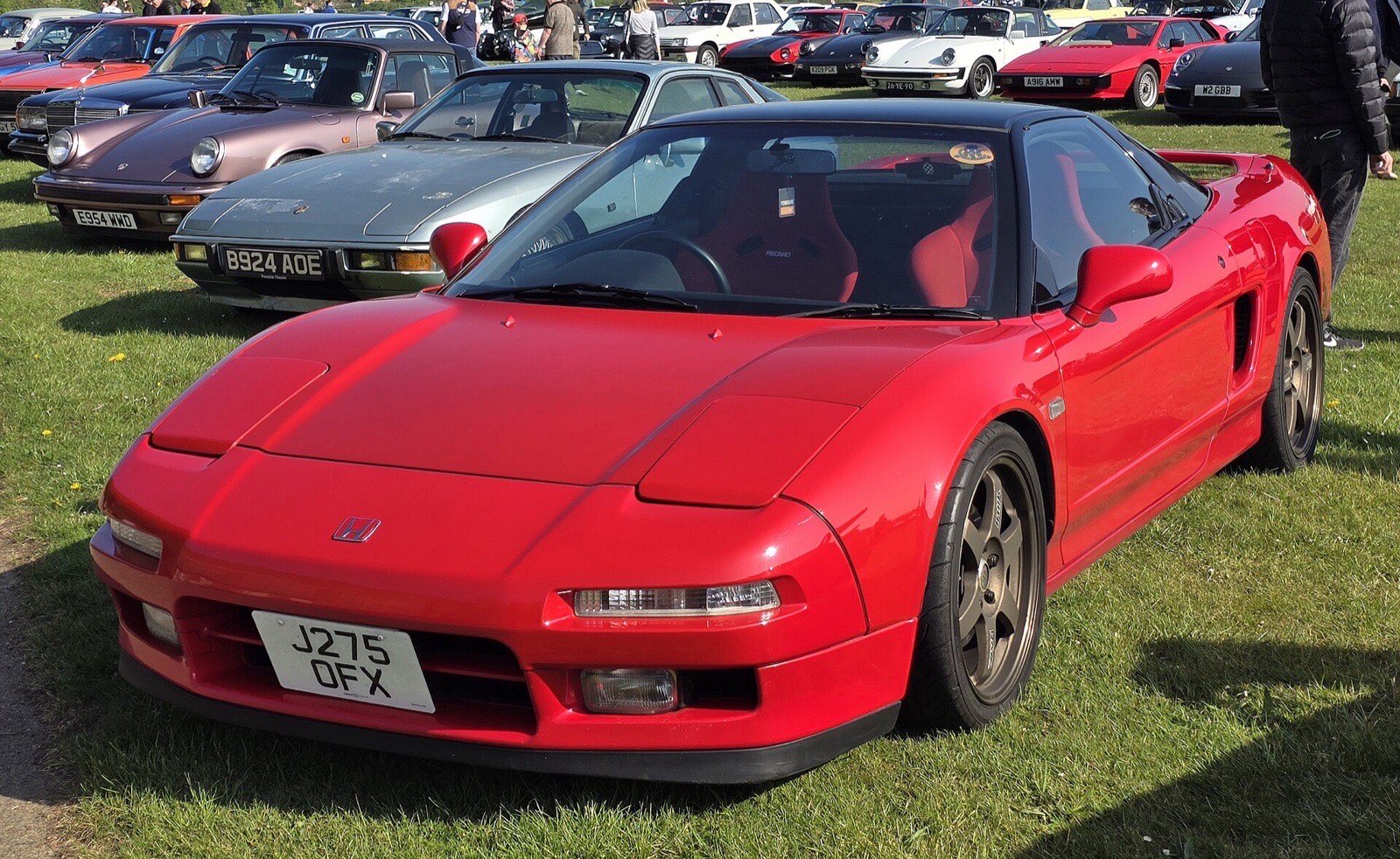
NSX Buyer's Guide 2026: Acura/Honda NA1 & NA2 Prices, Problems, and What to Inspect
In February 1989, Honda brought a pre-production NSX to Suzuka while Ayrton Senna was there testing his Honda-powered McLaren. They were hoping for a blessing. What they got was closer to a diagnosis. “I’m not sure I can really give you appropriate advice on a mass-production car,” Senna said, “but I feel it’s a little fragile.” Hagerty tells the story of what followed: Honda stiffened the chassis, hauled it to the Nürburgring, and tuned it with his input. The legend has grown in the telling, though, because Senna was never the development driver. He drove the prototype a handful of times and gave advice. That advice just happened to be worth more than most people’s entire careers.
Out the other side came the first production car with an all-aluminum monocoque, a mid-mounted VTEC V6 with titanium connecting rods, a cockpit whose visibility was worked out using F-16 fighter jets as the reference, and a standard of reliability nobody in Maranello was matching. When Gordon Murray drove one while developing the McLaren F1, the NSX’s ride quality and handling became his design target, and every Ferrari, Porsche and Lamborghini he’d been benchmarking against “vanished from my mind.” We covered his philosophy in Gordon Murray Refused to Build a Bad Car. The NSX belongs in that story.
Honda built more than 18,000 first-generation NSXs over 15 years, ending production in November 2005. Enough cars that you get to be choosy, few enough that the good ones keep getting harder to find. In the US, a car that cost roughly $60,000 in 1991 now trades above its original sticker in any decent condition. So: what the variants are, what breaks on them, and what the money looks like in 2026.
The Variant Tree
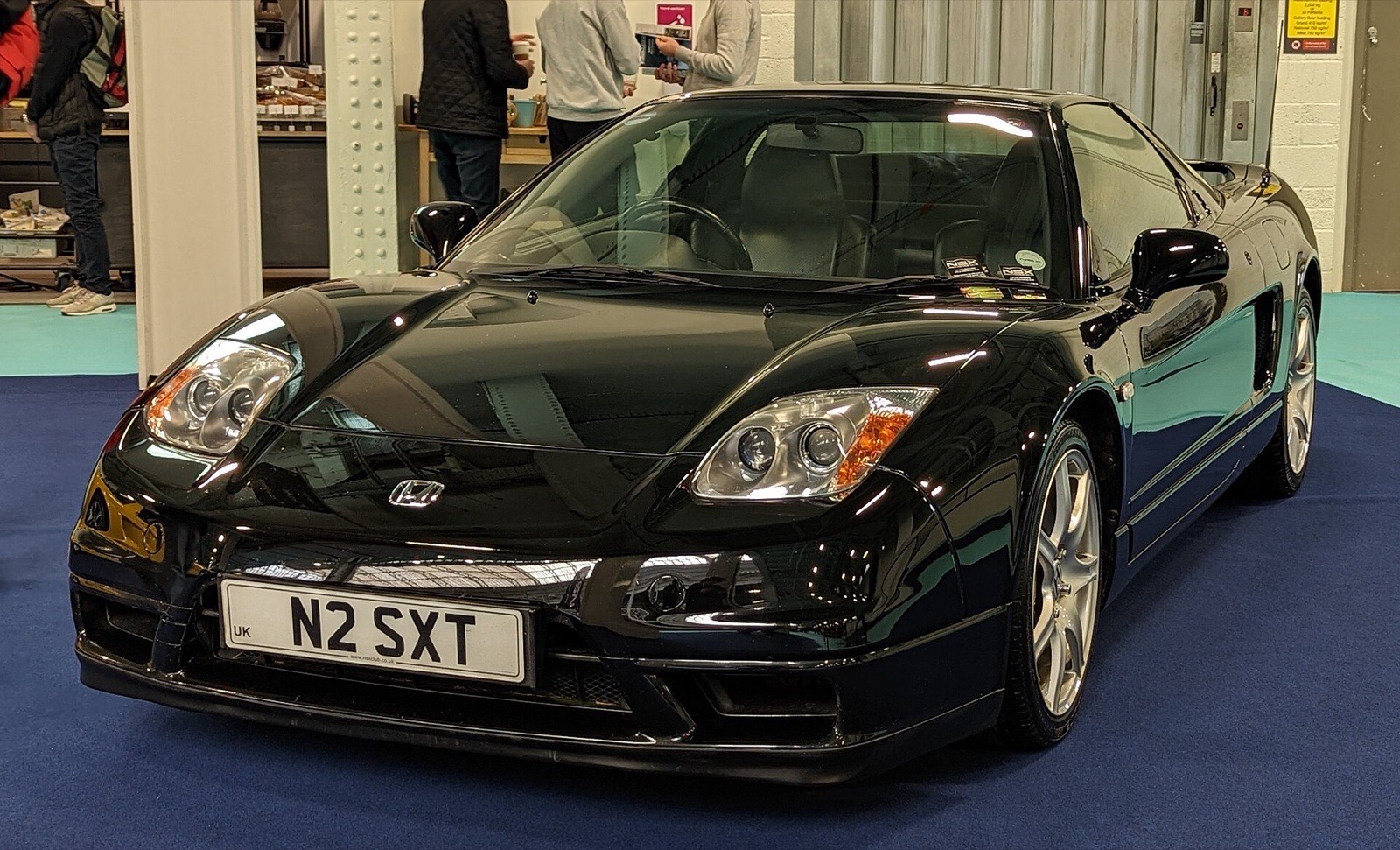
Collectors split the first-generation car in two: NA1 and NA2. The chassis codes are real, but in practice the market uses them as shorthand for “3.0 or 3.2” and “pop-ups or fixed lights.” The tree as a 2026 buyer should see it:
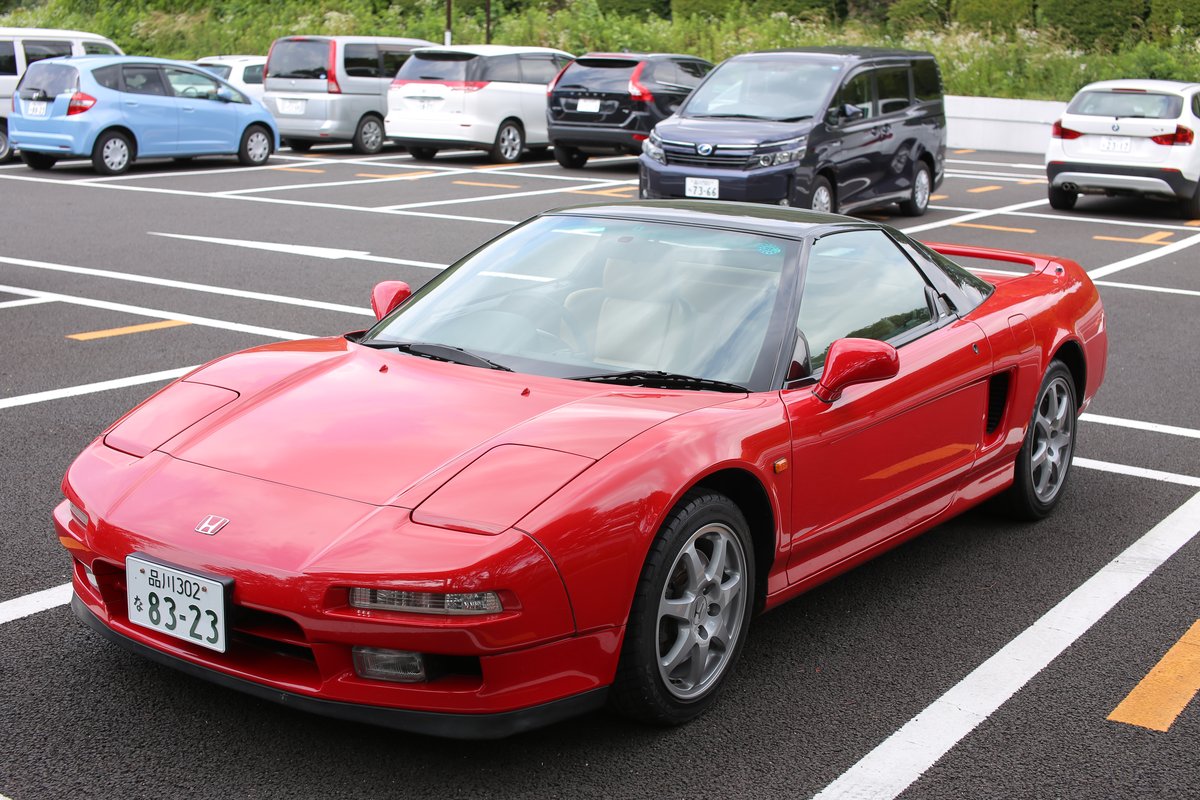
NA1, 1991–1996 (US model years). The C30A 3.0-liter V6 with 270 hp and 210 lb-ft with the five-speed manual, or 252 hp with the four-speed automatic. Pop-up headlights. The purest shape, and the original steering feel. Most US cars are coupes, and the 1991–1994 coupe is what people picture when they hear “NSX.”
NSX-T, 1995 onward. A removable targa roof. From 1995 the targa largely replaced the coupe in North America, the notable exceptions being the 1999 Zanardi Edition and a handful of special-order 3.2-liter coupes between 1997 and 2001. Want a later US car? You’re almost certainly shopping targas.
NA2, 1997–2005. The C32B 3.2-liter V6: 290 hp, 224 lb-ft, and a six-speed manual with closer ratios. Automatic cars kept the 3.0-liter and 252 hp right to the end. Keep that in mind when you’re reading listings, because a “1999 NSX” can be a 3.2 six-speed or a 3.0 automatic, and the market prices them nowhere near each other.
The 2002 facelift. The pop-ups were replaced with fixed xenon HID headlights, and the drag coefficient dropped to 0.30. Some purists will never forgive it. The market already has — fixed-headlight cars generally fetch a premium over the pop-ups. US sales ended with the 2005 model year.
SportShift. From 1995, the automatic gained an optional F1-inspired SportShift for manual gear selection. A pleasant way to cruise. Not a reason to buy an NSX, and the pricing agrees.
The Special Ones: Type R, Type S, and the Zanardi
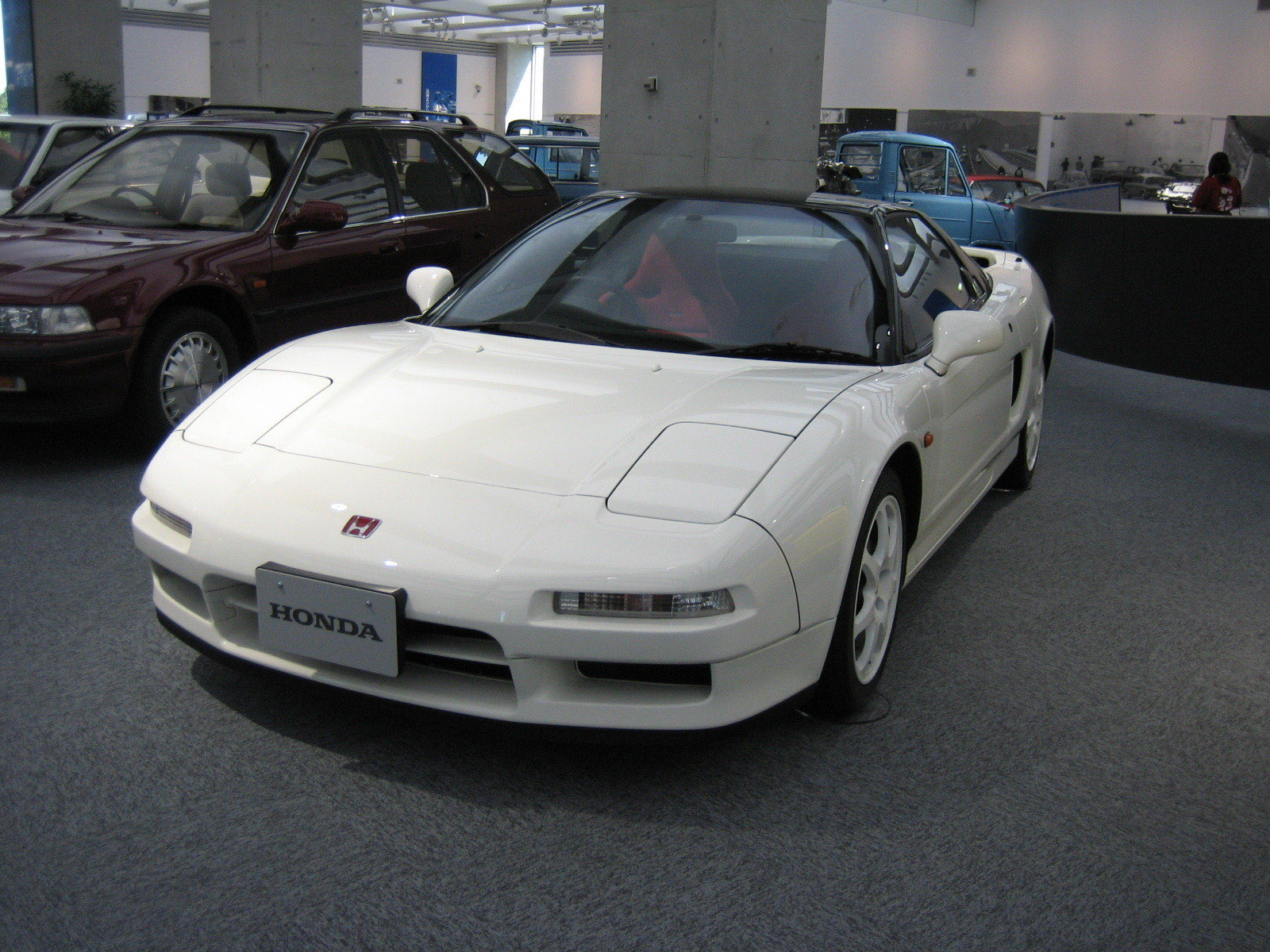
NSX Type R (NA1), 1992–1995. Japan only. Honda built 483 of them and pulled out roughly 120 kg (265 lb) for a curb weight around 1,230 kg (2,712 lb). A white Type R is the car Senna is flogging around Suzuka in white socks and leather loafers in the famous video.
NSX-R (NA2), 2002. Japan only again, with carbon fiber everywhere and a 1,270 kg curb weight. Hagerty calls it Honda’s Holy Grail; one was offered at auction in 2025 with an estimate of €750,000–950,000.
Type S and Type S Zero, 1997–2001. Japanese-market-only NA2 specials. 209 Type S and just 30 Type S Zero were built. Importing one means dealing with a specialist rather than a classified ad.
Zanardi Edition, 1999. America’s answer. Only 51 were built, all in Formula Red, celebrating Alex Zanardi’s back-to-back CART championships for Honda in 1997 and 1998. What one is worth now shows up in the pricing section below. Brace yourself.
For most buyers the decision is simpler than any of that: pop-up NA1 coupe, NSX-T, or fixed-headlight NA2. Everything above is collector territory.
The Drivetrain: C30A, C32B, and the Snap-Ring Question
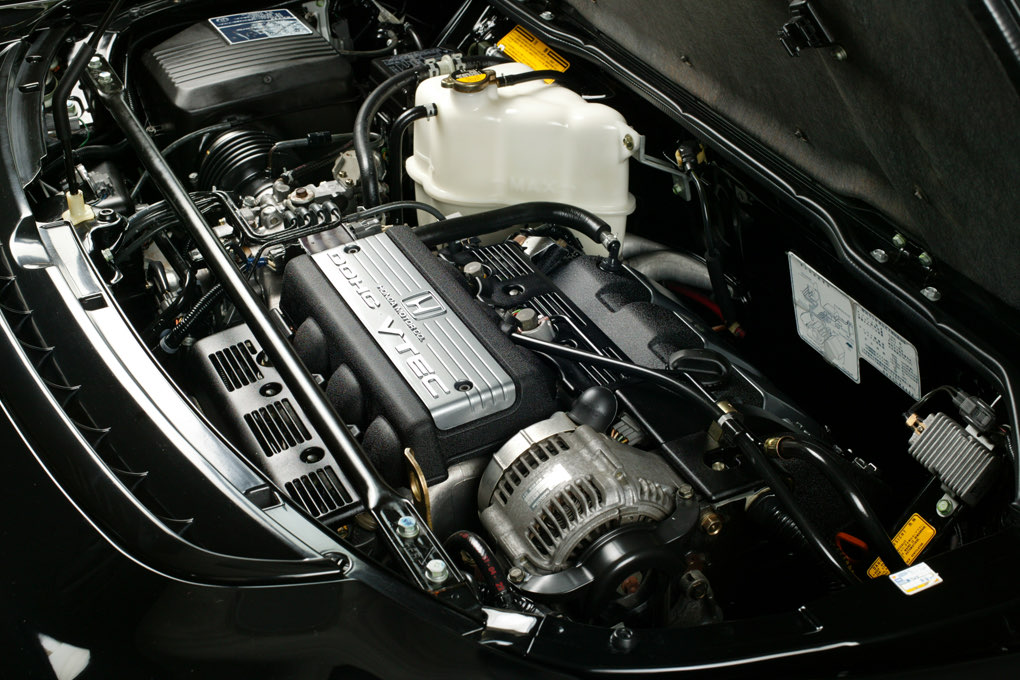
Good news first: the engine is the least of your worries. The C30A and C32B are Honda engines in the old-school sense. Hagerty’s buyer’s guide notes that the car “is happy to rev at 8,000 rpm all day and then do it again without much incident.” Trouble on these cars is rarely internal. It’s deferred maintenance, plus one very specific gearbox fault.
Timing belt and water pump. The big one. The US service manual interval is 90,000 miles or 72 months, and the water pump is driven by the belt, so a broken pump means a broken belt. The labor is the same either way, so you always do both. On a low-mileage car the calendar matters more than the odometer: a 30,000-mile car sitting on a 15-year-old belt is overdue, full stop. Importer JDMBUYSELL’s pre-purchase guide puts belt, pump, tensioners, and seals at $1,800–$3,500. No receipt, no service. Price it in.
The snap ring (1991–1992 manual cars). Some early five-speed transmissions shipped with a countershaft snap-ring groove cut out of tolerance, which let the ring twist and break. The affected range is transmission numbers J4A4-1003542 through J4A4-1005978, limited to 1991 and 1992 cars. Two things matter here. You have to check the transmission number itself, because gearboxes weren’t installed in VIN order. And the symptom, the shifter moving fore and aft in first or second under load, often with a crunch, can arrive with no warning at all. Hagerty’s advice is blunt: insist on proof the problem has been fixed, “lest your gearbox eat itself.” A car in range with no paperwork gets a price that assumes a transmission rebuild.
Clutch. A 35-year-old car has been through at least one clutch, or it’s due one. JDMBUYSELL lists a clutch job, flywheel resurface or replacement, and bleed at $1,800–$3,500. Feel where the pedal engages. On the test drive, listen for synchro grind going into second and third.
Cooling. Hagerty flags coolant reservoirs that had leak issues on early cars, along with ABS control units that should have been sorted by now. Coolant runs the length of the car to a front radiator, so a proper bleed after any cooling work isn’t optional.
Coupe, Targa, or Automatic?
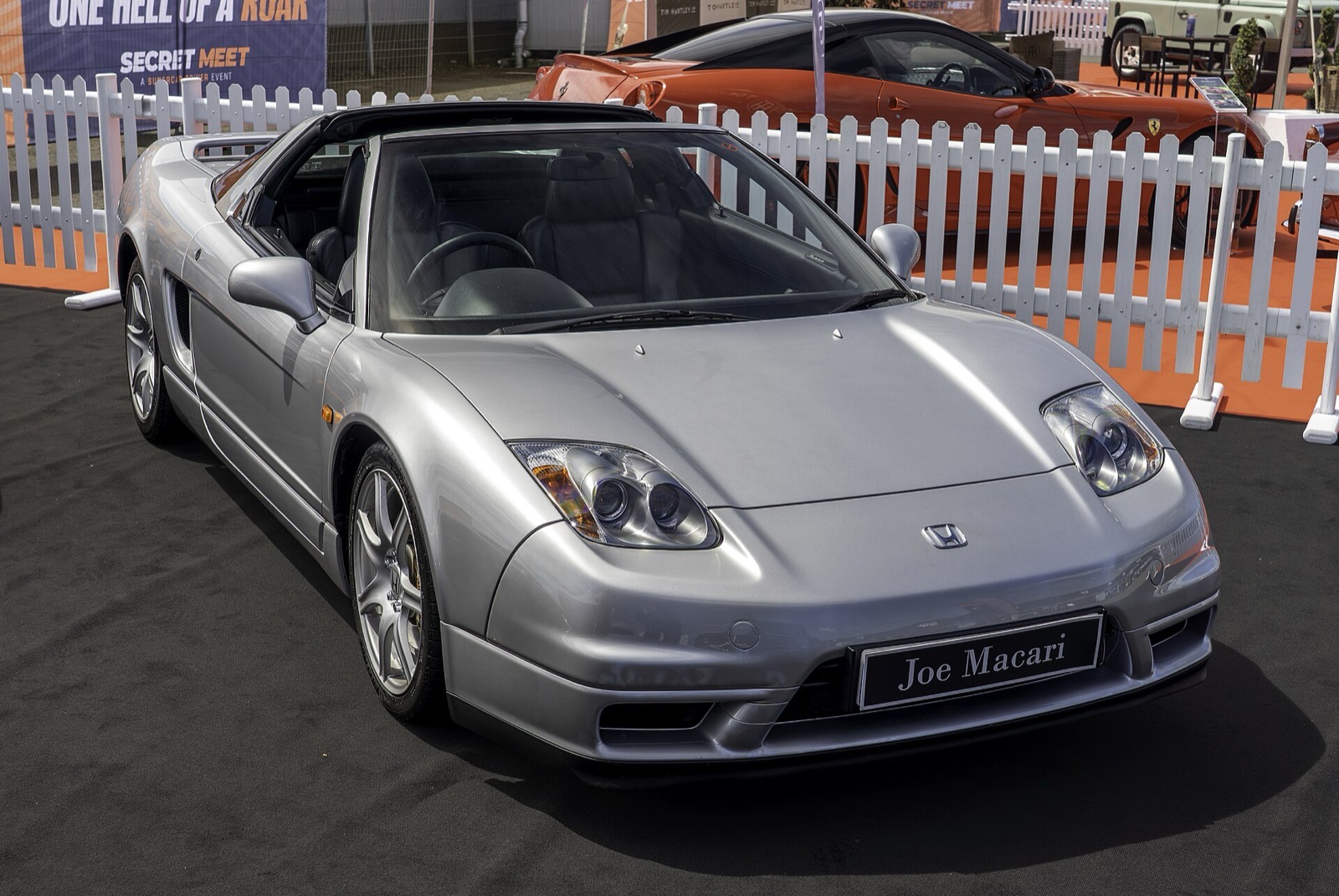
This is the question that sets your budget before condition ever does.
The NA1 coupe is the purist’s car and, in 2026, still the cheapest way into a manual NSX. The NSX-T swaps the fixed roof for a removable panel and, from 1997, brings the 3.2 and the six-speed with the manual. It’s also what most US NA2s are, and fixed-headlight targas are where a lot of the market’s money has gone. The rare US NA2 coupe does exist, and when a good one surfaces, the price says so.
The automatic is the quiet bargain. Hagerty’s price guide deducts 5% for an automatic on 1991–1996 cars and 15% on 1997-and-later cars, the gap widening later because the automatic stayed with the 3.0-liter when the manual moved to the 3.2 and six speeds. If you want the shape and the cockpit and the Honda ownership experience more than you want the shifter, an automatic buys you a nicer car for the same money. Just remember your eventual buyer will probably want three pedals.
Body, Cabin, and the Capacitor Problem
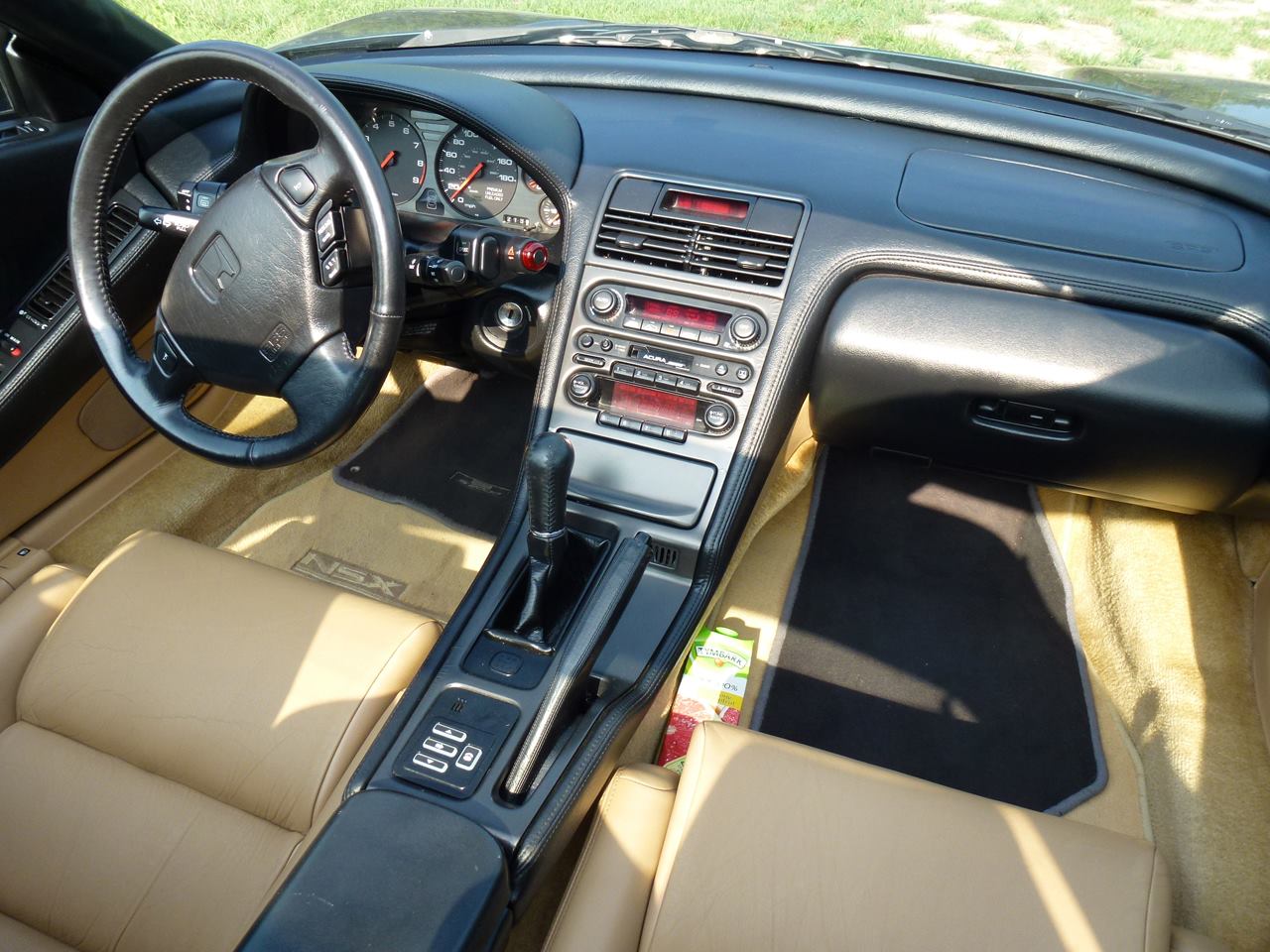
The aluminum body. Rust isn’t the issue. Repair is. Hagerty’s guide puts it plainly: many shops won’t touch an aluminum NSX, the ones that will “charge you handsomely,” paint is its own expense, and “the old magnet-on-Bondo trick won’t work.” Bring a paint-depth gauge and good light. Look hard at panel gaps, the seams in the front trunk, the rear clip, the shock towers. Get a history report. A car with structural collision history is a car to walk away from, however glossy the paint.
Electronics are the real age tax. The NSX carries a lot of 1990s circuit boards, and the electrolytic capacitors on them leak. ScienceOfSpeed, one of the better-known NSX specialists, lists owners already seeing failures in the stereo, amplifiers, climate control unit, electric power steering, instrument cluster, turn-signal cancel module, ECU, PGM-FI main relay, and fan control unit. The electrolyte corrodes the board it sits on, so waiting only makes the bill bigger. On the test drive, check the climate display for missing segments, a fan stuck on high, a dead fan knob. Check the gauge cluster. Ask whether the ECU and climate unit have been recapped. None of it is expensive next to an engine. Stacked up, it’s how “reliable Honda” becomes a list.
Windows. Slow-rising windows are a classic NSX complaint. ScienceOfSpeed traces it to three causes: hardened grease in the tracks, misalignment, and worn regulator motors. Cleaning and alignment first. Regulators last. Run both windows all the way up and down a few times during the inspection and watch for the glass tilting or rocking in the frame.
Originality. Look at what the market rewards: one-owner, documented, factory-spec cars. Tasteful period modifications can hold value, and the supercharged NSX-Ts in the sales below prove it, but a heavily modified car shrinks your buyer pool when it’s your turn to sell.
What to Pay in 2026
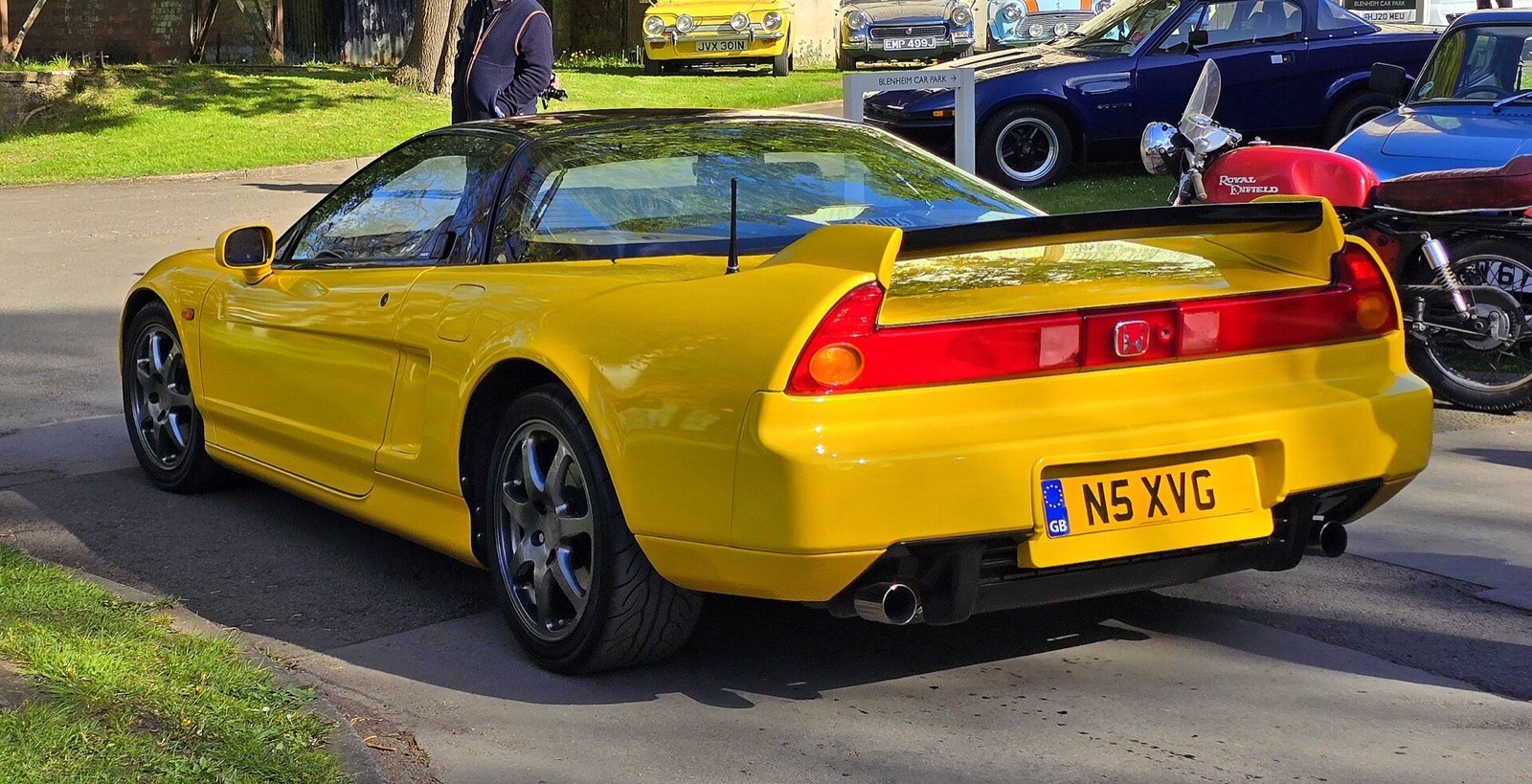
Two sources, both current. First, Hagerty’s price guide (July 1, 2026 update), shown as #3 “Good” / #2 “Excellent” / #1 “Concours”:
- 1991 NSX coupe: $70,500 / $127,000 / $187,000 (#4 “Fair”: $44,800)
- 1994 NSX coupe: $81,000 / $142,000 / $201,000
- 1995 NSX-T: $92,200 / $148,000 / $208,000
- 2002 NSX-T: $88,700 / $135,000 / $242,000
- 2005 NSX-T: $105,000 / $162,000 / $276,000
Year over year, Hagerty has the 1991 and 1994 coupes up 7% in #3 condition and about 15% in #2.
Second, what cars are actually selling for. These are Bring a Trailer hammer prices from August 13 to September 23, 2026, before BaT’s buyer’s fee:
- 1991 NSX 5-speed: $73,999 (original owner, Aug 20) · $75,500 (34 years with one owner, Aug 27) · $90,500 (49,000 miles, Sep 8) · $103,469 (32,000 miles, Augie Pabst Jr.’s car, Sep 17)
- 1992 NSX 5-speed, modified, 48,000 miles: $107,500 (Aug 13)
- 1994 NSX 5-speed: $92,000 (43,000 miles, Aug 15) · $86,500 (Sep 5)
- 1995 NSX-T 5-speed: $105,000 (Aug 24); two supercharged 1995 NSX-Ts at $110,000 (Sep 11) and $105,000 (Sep 23)
- 1997 NSX-T 6-speed: $129,000 (Sep 16)
- 1999 NSX coupe 6-speed: $185,000 (Aug 30)
- 2003 NSX-T 6-speed, 48,000 miles: $132,000 (Sep 4)
- 2005 NSX-T 6-speed, 35,000 miles: $163,500 (Aug 24)
- 1999 Zanardi Edition #22, one owner, 23,000 miles: $628,000 (Sep 23)
Read the top of the market carefully. A pair of 10,000-mile 2005 NSX-T listings were bid to $240,000 (Aug 20) and $255,500 (Sep 17) and didn’t sell, because the sellers wanted more. The public record for a stock US NSX-T is still $322,500 for a 2005 in December 2024, a car that stickered for about $90,000 new. A supercharged NSX-T went further still, $377,500 in April 2025.
In plain money terms:
- A driver-quality 1991–1994 manual coupe with records: $74,000–$95,000
- A clean, low-mile, documented NA1 coupe: $100,000–$130,000
- A 1995–1996 NSX-T manual: around $105,000 on current sales
- A 1997–2001 3.2 six-speed NSX-T: thin data, with the one recent comp at $129,000
- A 2002–2005 fixed-headlight NSX-T with average miles: $130,000–$165,000; ultra-low-mile cars are a separate market
- Automatics: start from Hagerty’s 5% (NA1) or 15% (1997-on) deduction
The spread inside each band is documentation, nothing else. The 1991 cars above sold between $74,000 and $103,000 within the same month. Same badge. Different mileage, different ownership history, different paper trail.
The Bottom Line
The first-generation NSX has one of the rare reputations that was actually earned. A mid-engine car Senna sharpened, that Murray measured the McLaren F1 against, and that Honda built to start every single morning. It isn’t cheap anymore in 2026, and it shouldn’t be.
Buying your first one, target a 1991–1994 five-speed coupe or a 1995–1996 NSX-T with a timing belt and water pump done within the last five years, snap-ring proof if it’s a ‘91 or ‘92 in range, a recapped or healthy climate unit, and no collision history. Budget $85,000–$110,000 and hold back another $5,000–$8,000 for the belt, clutch and electronics nobody has touched yet. If you want the fixed-headlight car, accept that you’re paying $130,000-plus and go buy the best-documented example you can find. However good it looks, get a pre-purchase inspection from an NSX specialist. Hagerty says it’s a must, and they’re right. A specialist will catch what you won’t.
For where the NSX sits in Japan’s golden era, see The 5 JDM Cars That Changed Everything and our complete JDM cars guide.
More JDM buyer’s guides: Toyota AE86 buyer’s guide · Nissan R32 GT-R buyer’s guide · Mazda RX-7 FD3S buyer’s guide
Photo credits: Wikimedia Commons — 1991 Honda NSX (hero), 2003 Honda NSX, and 1996 Honda NSX by Calreyn88, CC BY-SA 4.0; Honda NSX Type R at the Honda Collection Hall by 韋駄天狗, CC BY-SA 3.0; NSX engine bay by Tennen-Gas, CC BY-SA 3.0; 2003 Honda NSX-T by MrWalkr, CC BY-SA 4.0; NSX interior by Lukasz19930915, CC BY-SA 3.0.
Share this
Join the conversation
COMMENTS
Loading comments…
No comments yet. Be the first to weigh in.
Leave a comment
Posted
Thanks for joining the conversation.