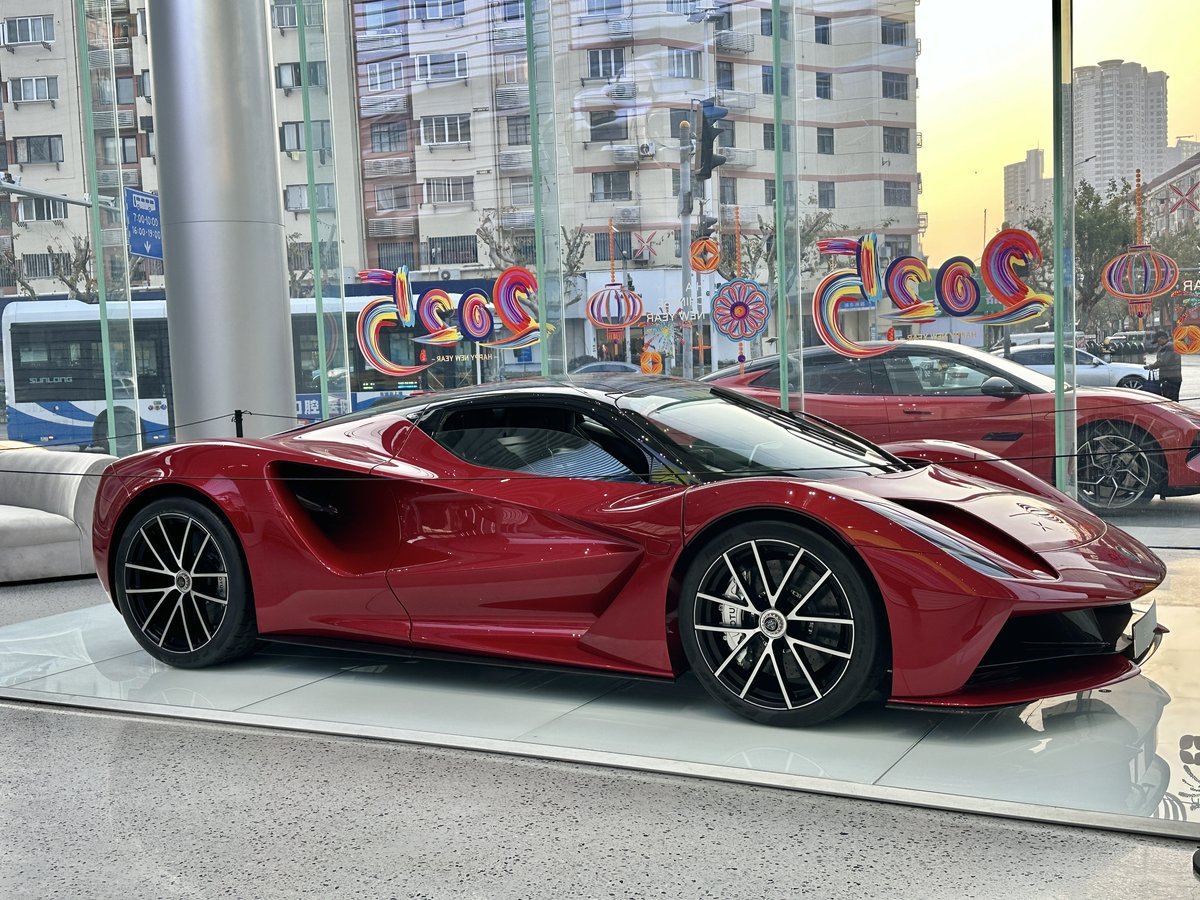
The Lotus Evija: 2,000 Horsepower. Four Motors. The Most British Car You've Never Heard Of.
2,000 horsepower. The number explains itself. What it needs is context, because until recently the company that built this car was best known for machines that weighed less than 700 kilograms.
Lotus has reinvented itself. The Evija is the proof.
Chapman’s Formula, and Why the Evija Breaks It
Colin Chapman founded Lotus in 1952 on an idea that went on to shape British sports car building for the next half century: add lightness. Not power. Not technology. Take weight out of every component until what’s left is the function of driving.
The Lotus Seven weighed 406kg. The original Elan was 629kg. The Elise, the car that set the template for the modern Lotus, came in at 725kg in its lightest form. None of these were the fastest cars in the world when they were new. They were the lightest, and lightness, as Chapman understood and proved over and over, is a form of power with no downsides attached. Less weight, less braking distance. Less energy to change direction, less stress through the tyres, less fuel burned getting anywhere.
That is heavy for a Lotus in the way that standing next to a building is tall. It’s a fundamental departure from everything the badge stood for, and there was no way around it: the battery pack that stores the Evija’s energy weighs more than an entire Elise. Physics doesn’t negotiate.
So instead of chasing lightness, Lotus went after something Chapman never had access to. 2,000 horsepower and torque control at each individual wheel. The Evija was never going to be the lightest car. It can be the most precisely controlled one.
Four Motors, One Per Wheel
The Evija’s powertrain architecture is its central claim. One electric motor per wheel, 500 horsepower apiece, no mechanical connection between them. Each motor is independent and controlled entirely by software.
That unlocks torque vectoring at a level no mechanical system gets near. A mechanical limited-slip differential reads physical inputs, wheel speed difference and input torque, then modulates torque mechanically. It’s fast by the standards of human reflexes. It is geological by the standards of software.
The Evija’s control system adjusts torque at each of the four wheels up to 100 times per second. It can pile maximum torque onto the outside rear wheel mid-corner while pulling torque from the inside rear and both fronts. It can spin up a specific wheel to catch oversteer before the driver’s hands have started to move. It can pick the fastest line through a corner and impose it on the physical world.
Call it torque vectoring as a philosophy rather than a feature. It’s the architecture that makes 2,000hp manageable instead of terrifying.
Zero to 60mph in sub-3 seconds. 200mph top speed. Lotus claims 0 to 186mph and back to 0 in under 9 seconds. That last figure is the one that lodges in your head. Hauling 1,680kg down from motorway speed to a standstill in nine seconds takes braking forces that are genuinely hard to process. The Evija has them.
130 Cars
Lotus planned 130 examples of the Evija. Not 1,300. Not 13,000. 130.
The production number is a statement in itself. This was never a halo car built to generate press coverage while Lotus quietly sells Elises and Exiges. It’s a product for the 130 people on earth who want the most extreme electric car Lotus can build and can write the cheque.
Price: roughly £2 million. The Evija costs more than most houses in the country that made it. What the money buys, structurally, is a carbon fibre monocoque weighing 129kg. The entire shell. 129 kilograms of carbon. This is where the old Lotus weight obsession survived into the electric era, because in every component that isn’t the battery pack, the engineers went after grams with an aggression Chapman would have recognised instantly.
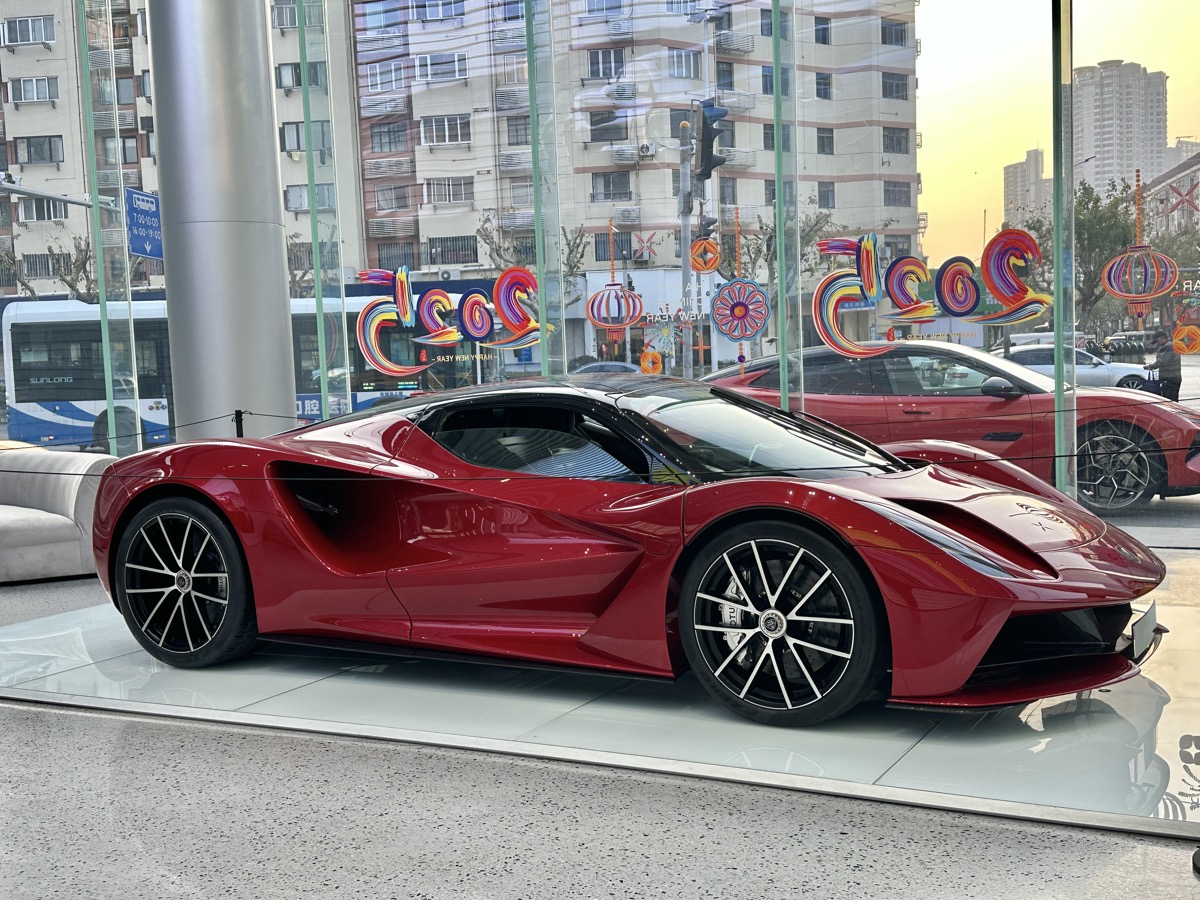
Suspension is double-wishbone front and rear. The wheel housings are folded into the body as flowing tunnels that pull air through the car and spit it out at the back. Bodywork is carbon fibre throughout. Inside, everything is stripped to essentials, a driver-focused cockpit with controls that feel analogue despite a powertrain that is entirely digital.
130 of these exist. A car for a very specific list of people.
Geely and the Question of Identity
In 2017, Geely — the Chinese automotive group that also owns Volvo and Polestar — acquired Lotus. The British motoring press reacted about how you’d expect. Diluted identity. Chinese ownership compromising the Chapman legacy. The end of whatever Lotus was supposed to represent.
The Evija is the answer to all of that, and the answer turns out to be that the new owners had no interest in making Lotus conventional. They wanted to fund Lotus doing something wilder than it had ever attempted.
You can see Geely’s money in the sheer scale of the ambition. The pre-Geely Lotus could not have funded a 2,000hp all-electric hypercar. The engineering, the battery technology, the software architecture, the carbon fibre construction, all of it needed capital the old company simply didn’t have.
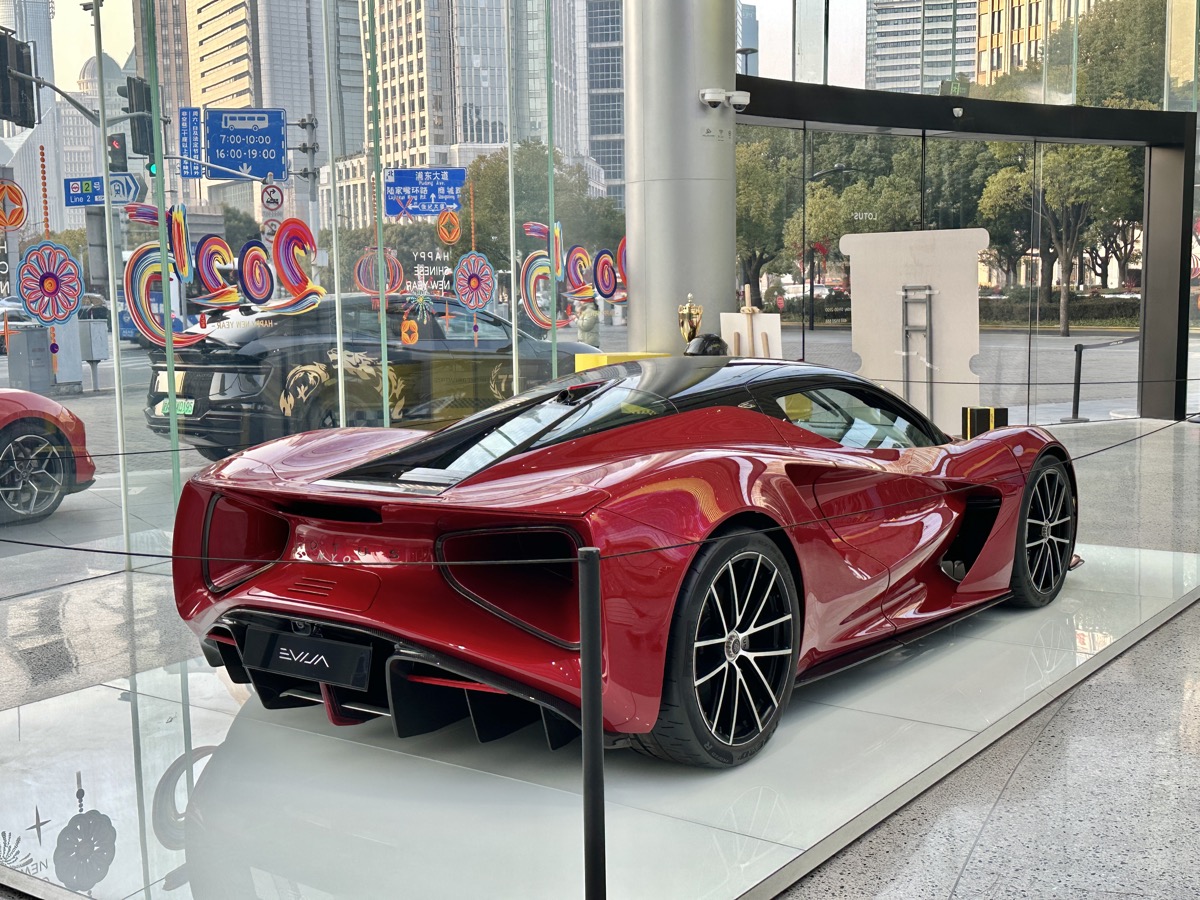
What Geely kept: the name, the driver-focused engineering philosophy, the obsession with chassis dynamics, the Hethel test track where Lotus has been developing cars for decades. What Geely added was the budget to push that philosophy as far as it will go.
The design language is a reinvention of the Lotus look. Less of the stripped functional plainness of the Elise years, more a sculptural argument about what a car optimised for aerodynamic performance and visual drama should look like. It reads as Lotus in its proportions and in what the bodywork is doing with the air. It is not the Lotus that existed before 2017.
That’s the point.
2,000 Electric Horsepower vs. 2,000 Combustion Horsepower
The Bugatti Veyron made 1,001hp from a quad-turbocharged W16, and when it launched in 2005 it was the most powerful production road car in the world. The Chiron Super Sport 300+ makes 1,600hp. The Nevera from Rimac makes 1,914hp. The Evija makes 2,000hp.
Those figures need qualifying. Electric motor output is measured at instantaneous peak torque delivery, and an electric motor makes maximum torque from 0rpm. A combustion engine has to climb to its peak across a rev range. The Evija’s 2,000hp is there the instant the pedal moves, not after the engine works through 4,000, 6,000, 8,000rpm to find it.
On the road, that means the Evija’s low-speed acceleration has no combustion equivalent, not even approximately. The shove is immediate and it keeps coming, which makes the familiar experience of accelerating feel like a gradual process by comparison. At 30mph the car is still pulling at full force. At 60mph. At 100mph. The power delivery is flat because the torque delivery is flat.
2,000hp from combustion means managing a rev range, managing heat, managing fuel flow. 2,000hp from electric motors means managing a battery charge and a software stack. The two driving experiences are related the way archery and firearms are related. Same basic function, completely different in execution.
The Evija is fast in a way combustion cannot be.
The Most British Car You’ve Never Heard Of
Lotus has been building the most sophisticated small sports cars in Britain for over seventy years, and along the way it invented, genuinely invented, several of the architectural principles every sports car manufacturer now takes for granted. Ground effects aerodynamics. Carbon fibre monocoque construction in road cars. The idea that a car’s handling can be engineered toward a specific feel, deliberately, like tuning an instrument.
The Evija is the most radical thing the company has ever built. More radical than the Seven, more radical than the Esprit, more radical by some distance than the Elise.
It doesn’t weigh 750kg. It has no naturally aspirated four-cylinder. It fits none of the templates Lotus built its reputation on. What it has instead is 2,000 horsepower spread across four electric motors, and 130 examples to prove the point.
Chapman’s formula was add lightness, because lightness was the tool he had. The Evija adds something else: four-wheel torque vectoring at a resolution no mechanical system has ever managed, wrapped in the lightest structure anyone could build around a battery pack that outweighs the entire car he would have made.
The spirit is the same. The car is completely different. Both things are true.
Share this
Keep Reading
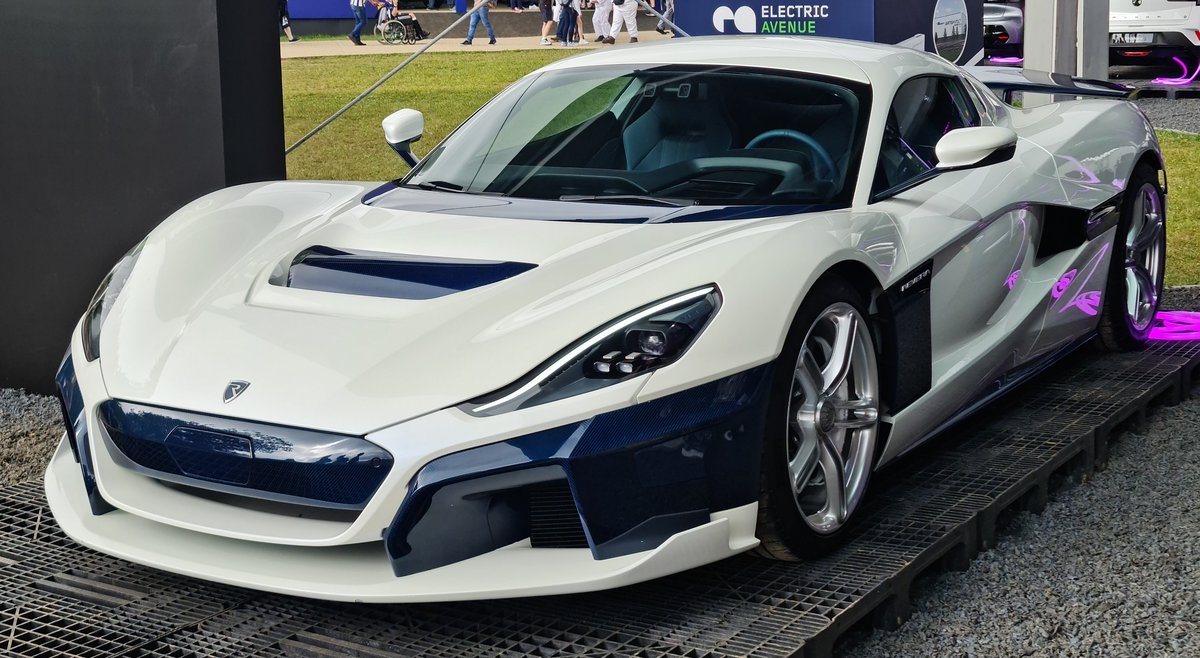
The Rimac Nevera: How a 24-Year-Old from Croatia Built the World's Fastest Electric Car
April 15, 2026
The Koenigsegg Regera: Why This Is Still the Most Insane Car Ever Built
April 5, 2026
The McLaren W1: The Heir to the F1's Throne, 30 Years Later
April 15, 2026
Join the conversation
COMMENTS
Loading comments…
No comments yet. Be the first to weigh in.
Leave a comment
Posted
Thanks for joining the conversation.