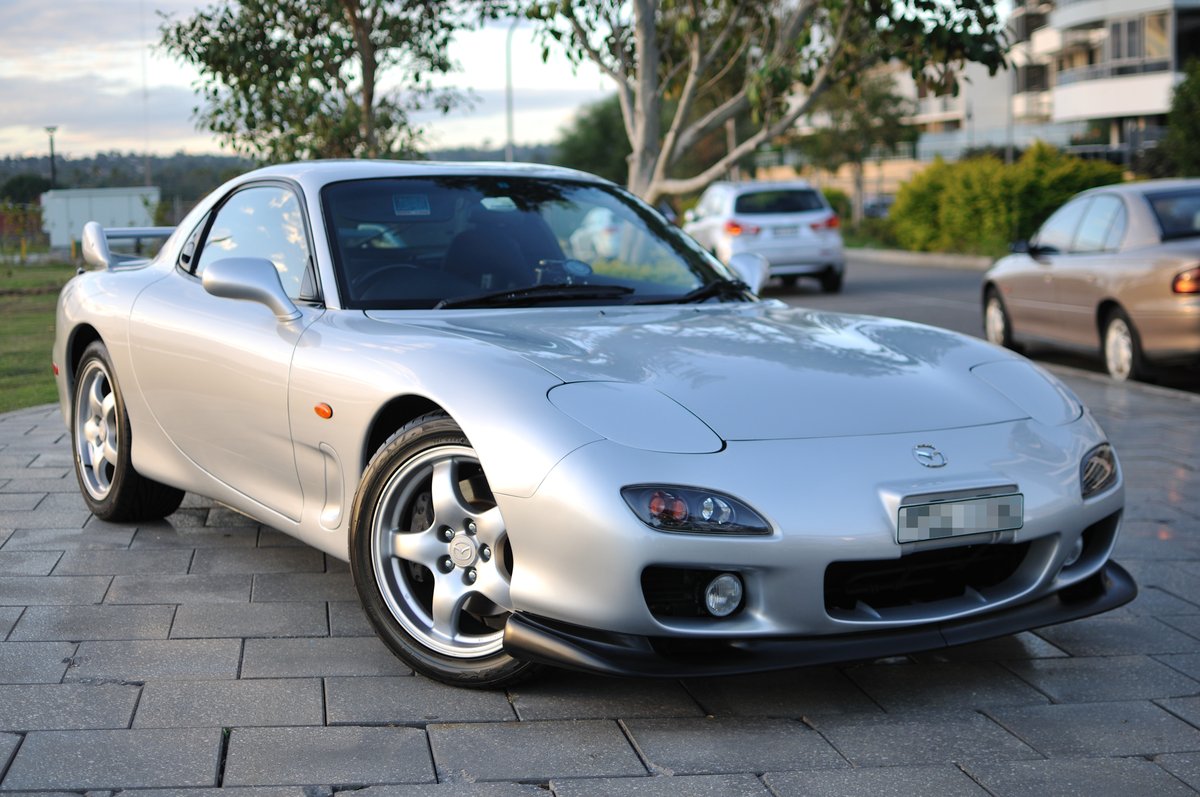
The Mazda RX-7 FD: A Love Letter to the Engine That Shouldn't Work
The Wankel rotary engine was patented in 1954. By the 1980s, most automotive engineers had concluded it was a dead end. Poor fuel economy, apex seal wear, oil consumption — the problems were real and they compounded. The piston engine won. The automotive industry moved on.
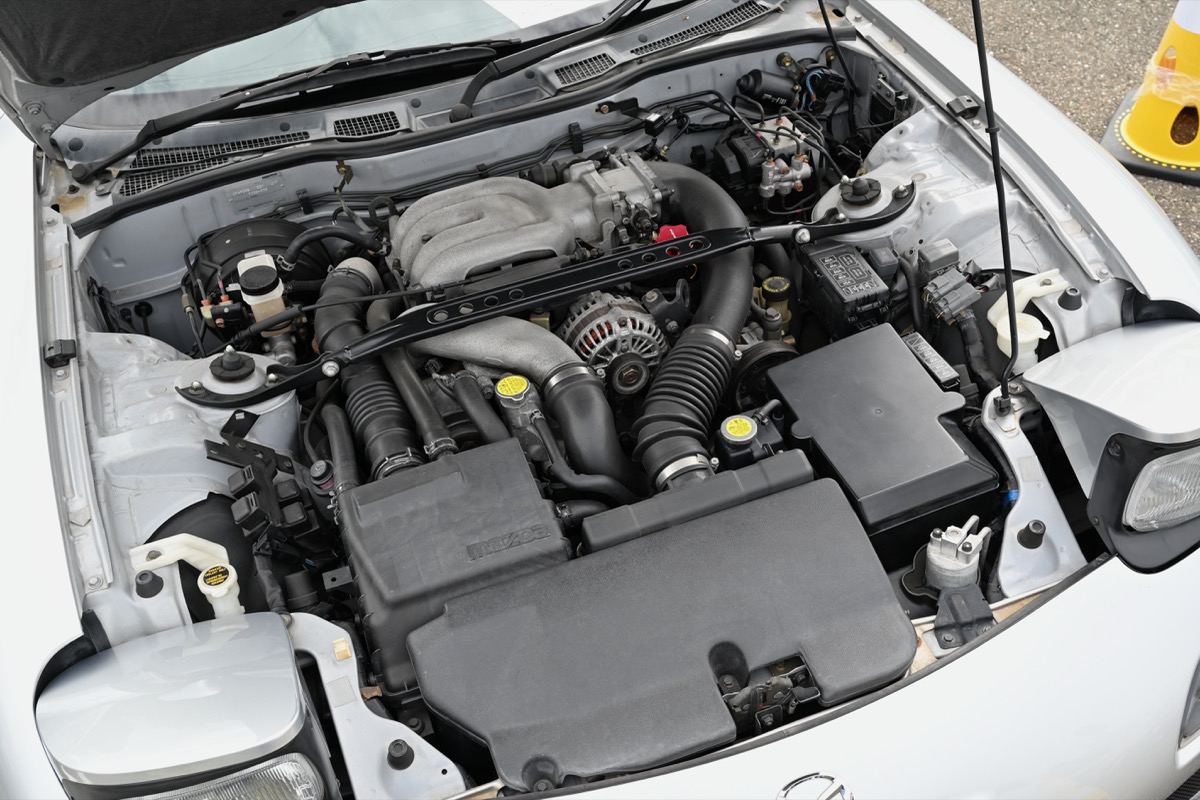
Mazda didn’t get the memo, or they got it and decided the memo was wrong. They kept developing the rotary for forty years, and in 1992 they put their highest expression of it into the FD RX-7: the 13B-REW, a 1.3-liter twin-rotor sequential twin-turbo unit producing 255 horsepower and 294 Newton-meters of torque, installed in a car weighing 1,260 kilograms.
The FD RX-7 is the car that resulted from a company refusing to accept the consensus. That stubbornness produced one of the finest handling machines of the 1990s, and one of the most valuable Japanese sports cars of the 2000s.
The Engine That Shouldn’t Exist
The 13B-REW is technically a displacement oddity. 1.3 liters producing 255 horsepower. In a naturally aspirated piston engine of the era, that number was unreachable without racing-derived technology. Mazda achieved it through forced induction — a sequential twin-turbocharger system where a small primary turbo spools at low RPM and hands off to a larger secondary at higher RPM, creating a power delivery curve that feels nothing like a traditional turbocharged engine.
The rotary’s inherent characteristic — smooth, linear, high-revving — works perfectly with this system. There’s no traditional turbo surge. The power builds with a consistency that piston-engine turbos couldn’t match in 1992 and many still don’t match today. The 13B-REW revs to 8,000 RPM and wants to be there. Most turbocharged engines of the period were building boost in a lump somewhere around 3,500-4,000 RPM and feeling flat above 6,000. The 13B-REW pulls all the way through.
The engine weighs roughly 100 kilograms less than an equivalent-displacement piston V6. There are no reciprocating pistons, no connecting rods, no camshafts — the rotor spins in an epitrochoidal housing and the physics produce combustion three times per revolution per rotor. Fewer parts, lower center of gravity, smoother operation.
The fuel economy is terrible. The oil consumption is real — Mazda designed the engine to consume a small amount of oil as part of its apex seal lubrication system. The cooling requirements are substantial. These aren’t bugs. They’re the cost of a different kind of excellence.
The Chassis Argument
The 13B-REW’s light weight enables something more important than the power number. The FD’s weight distribution is 50/50 front-to-rear, within less than a single percentage point. This wasn’t accidental — Mazda placed the engine behind the front axle centerline specifically to achieve it. The fuel tank is under the trunk floor at the rear. The driver sits exactly at the car’s balance point.
The result is a car that rotates on the throttle, transitions between understeer and oversteer based on driver input rather than chassis behavior, and communicates through the steering in a way that tells you what’s happening at the contact patches. The suspension is double-wishbone front and rear. The steering rack is quick — 2.7 turns lock-to-lock. The wheelbase is 2,425mm.
Standing still, the FD is beautiful. Akio Uchiyama designed the body and it holds up: a long nose, pop-up headlights that Mazda kept until 2002 because they refused to accept the design compromise required by US daytime running light regulations, a fastback roofline that transitions into a rear deck that’s clean and unadorned. The greenhouse is small. The car looks fast parked.
Moving, the FD is one of those cars that feels faster than its 0-60 time suggests. The stock 0-60 is around 5 seconds — respectable for 1992 but not extraordinary by modern standards. The sensation of speed comes from the chassis, not the stopwatch. The FD is communicative and precise and light in a way that makes you feel every tenth of a mph.
The Reliability Question
The FD’s reputation for unreliability is partially deserved and partially the result of thirty-year-old cars being maintained by people who don’t understand the specific requirements of a rotary engine.
The actual issues: the cooling system is marginal and requires maintenance. Overheating damages apex seals. An overheated 13B-REW needs an engine rebuild, which runs $3,000-8,000 depending on who does it and what parts they use. The ignition coils fail at high mileage and their failure mode — misfires under load — is often misdiagnosed. The fuel injectors clog on cars that sit unused.
None of these problems are mysterious. All of them are manageable with correct maintenance practices: full coolant flush and system check before running the car hard, fresh ignition components at purchase, clean injectors, and an understanding that the car requires slightly more attention than a modern turbocharged four-cylinder.
The FDs that earned the bad reputation were mostly neglected ones. A well-maintained FD with known history is not a time bomb. It’s a 30-year-old precision machine that requires appropriate care.
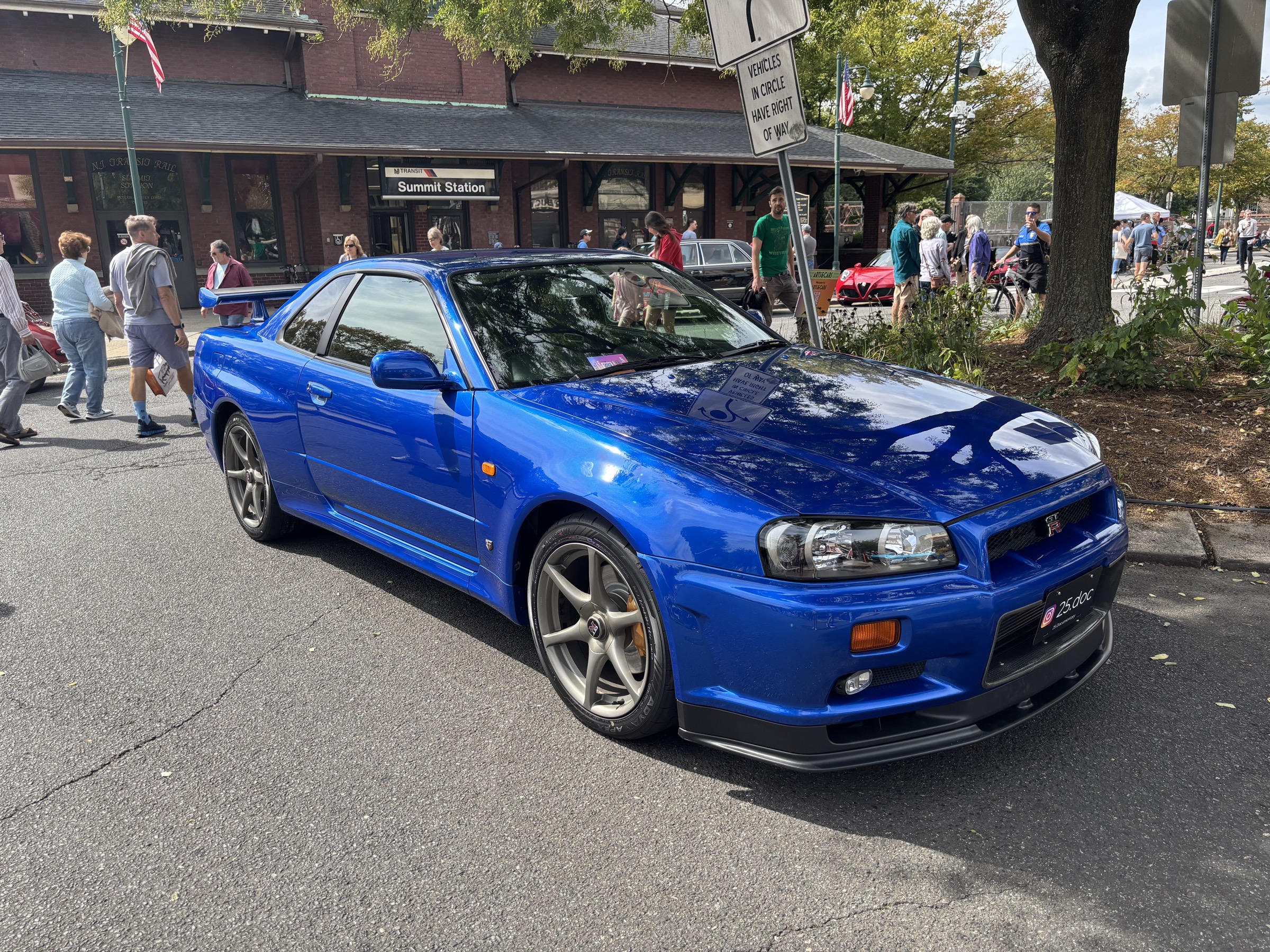
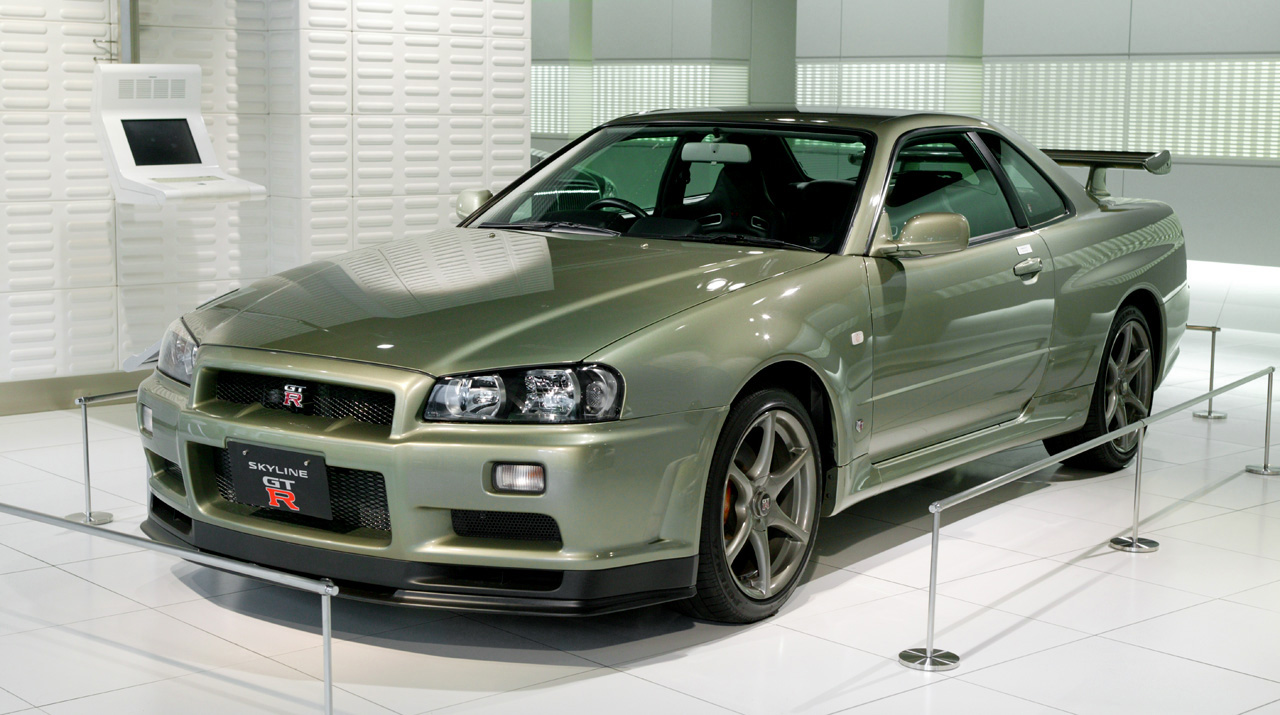
The flip side: when the engine is right, it is genuinely extraordinary to operate. The smoothness of the power delivery at high RPM is unlike any piston engine. There are no harmonics, no vibration nodes, no surge. It’s the cleanest power delivery in any production car of the 1990s. The serious R34 GT-R builders made the opposite calculation from the same era — finding their headroom in the most over-engineered piston engine Japan ever sold to the public — and the two communities have spent thirty years respecting each other from a distance.
Why the Value Has Tripled
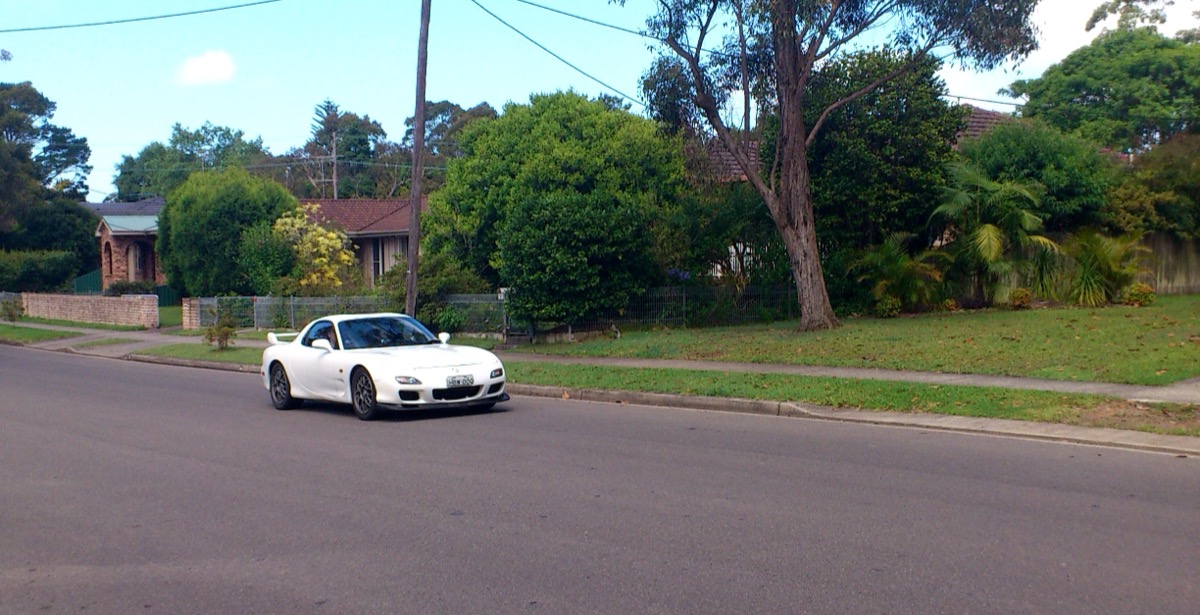
In 2015, a clean low-mileage FD RX-7 in the United States cost $12,000-18,000. By 2024, the same car costs $35,000-60,000. A US-spec 1993-95 in Vintage Red with under 50,000 miles is approaching $70,000 from reputable dealers.
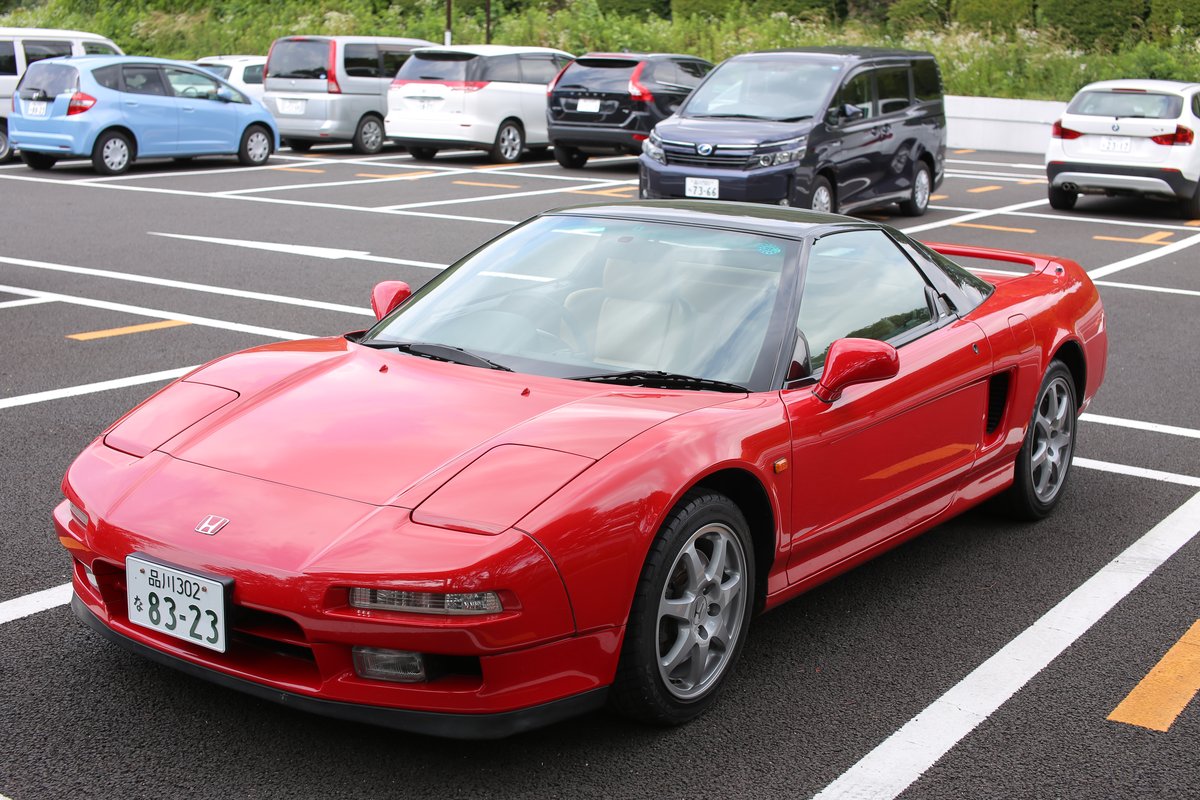
The appreciation follows the same curve as the other foundational JDM cars of the era — FD, MkIV Supra, Acura NSX, R34 GT-R — but the FD’s trajectory is driven by additional factors. It’s a finite resource. No more were made after 2002. The rotary engine at its core is unique and irreproducible in the specific form it took in 1992 — Mazda’s later rotary development (the RX-8’s Renesis) was a different, less exciting engine by nearly universal consensus.
The FD is also genuinely beautiful in a way that photographs well for a culture that consumes automotive imagery through social media. It appears in Initial D, Fast and Furious: Tokyo Drift, every Japanese car culture documentary. Its visual identity is established and its cultural position is secure.
The appreciation isn’t speculation. It’s recognition. The market took thirty years to fully understand what Mazda built.
What the Rotary Actually Meant
Mazda’s commitment to the rotary engine lasted from 1967, when the Cosmo Sport 110S became the world’s first production rotary-powered car, through 2012, when the RX-8 was discontinued. Forty-five years of development against the consensus of the industry.
The FD represents the peak of that development: the most sophisticated rotary Mazda ever built, in the best-handling car Mazda ever built, with the highest output they ever extracted from the 13B architecture. It’s the argument that yes, this engine was worth developing, made as forcefully as it could be made.
Mazda has announced plans to return to the rotary with the MX-30 R-EV, where the 8C rotary functions as a range extender in a hybrid system. This is not the rotary’s redemption — it’s a different use case entirely. The FD-era rotary, running 255hp in a 1,260kg car, is a closed chapter.
The minority report said: this engine has qualities worth developing even when the economics argue against it. Even when the reliability reputation is a headache. Even when every other manufacturer is building piston engines. The minority was right. The FD is the evidence.
Some engines are rational choices. The 13B-REW was a conviction. The conviction was correct. The FD will keep appreciating until everyone who ever doubted the rotary has been proven wrong, and then it will keep appreciating after that.
Share this
Join the conversation
COMMENTS
Loading comments…
No comments yet. Be the first to weigh in.
Leave a comment
Posted
Thanks for joining the conversation.